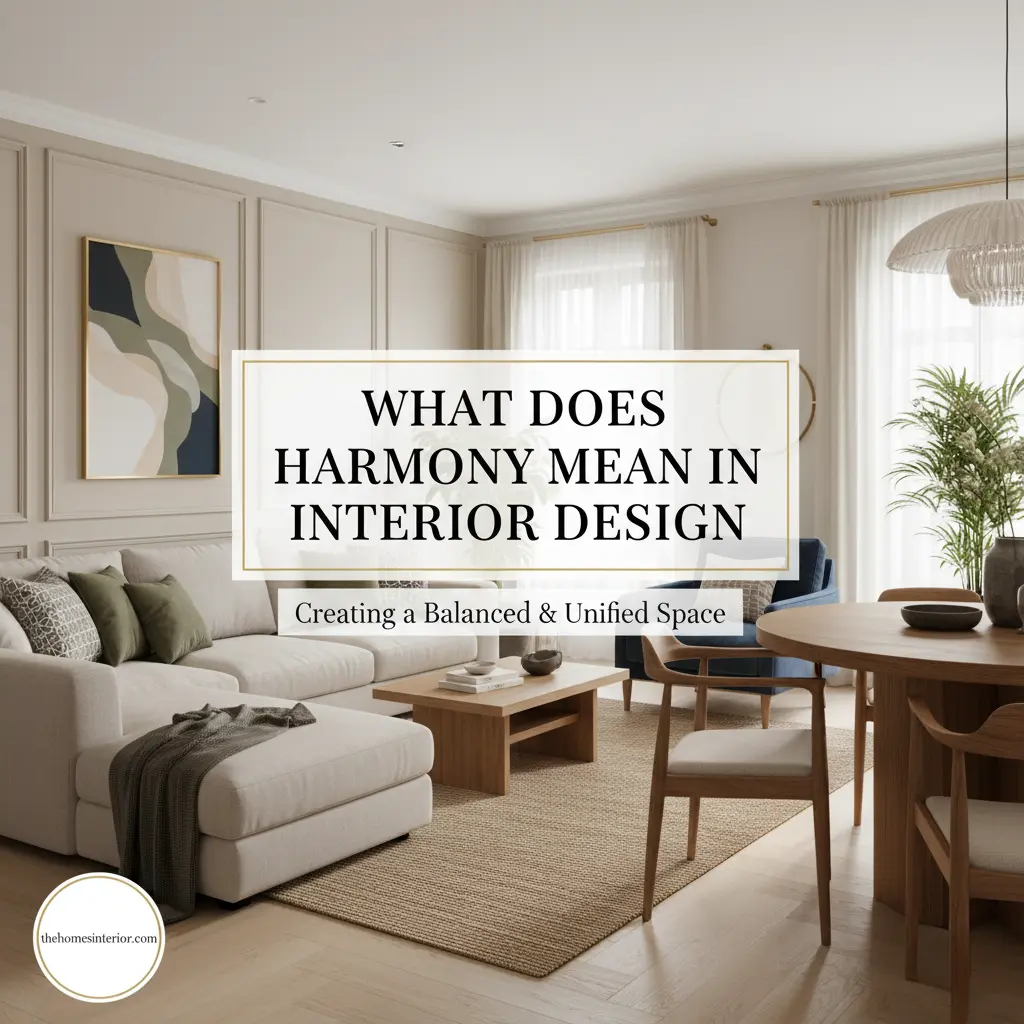
In interior design, harmony mean in interior design is one of the most essential yet often misunderstood principles. It’s what makes a room feel balanced, inviting, and thoughtfully composed. Without harmony, even the most stylish furniture and trendy color palettes can feel disconnected or confusing.
Understanding harmony helps you create spaces that not only look beautiful but also feel comfortable and cohesive. Whether you’re decorating a single room or designing an entire home, mastering this concept is key to achieving a polished and emotionally resonant result.
In interior design, harmony is the invisible thread that ties everything together. It’s what makes a space feel calm, intentional, and complete. Whether you’re decorating a studio apartment or a sprawling estate, understanding harmony is essential to creating a home that feels truly yours.
What Is Harmony mean in Interior Design?
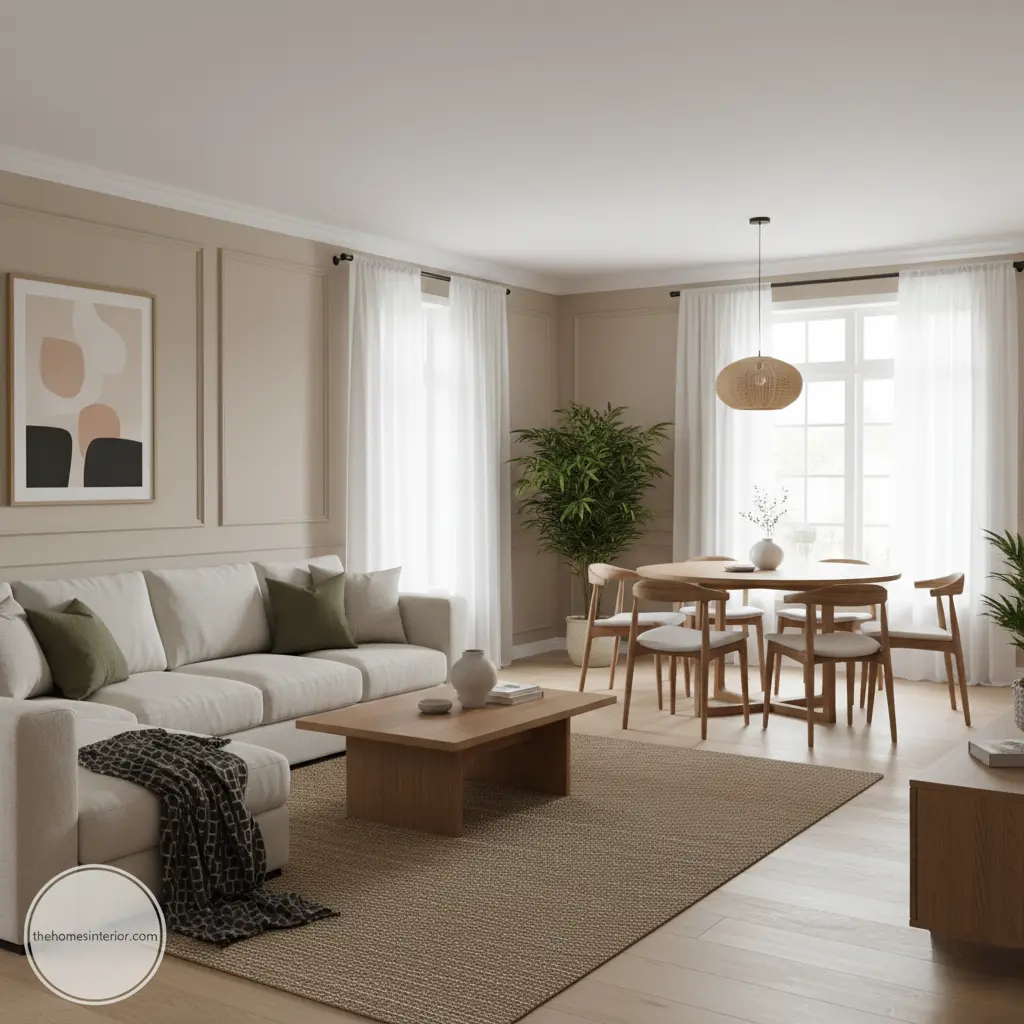
At its core, harmony in interior design refers to the pleasing arrangement of elements that work together to create a unified whole. It’s not about matching everything perfectly; it’s about ensuring that colors, textures, shapes, and styles complement each other and support the overall mood of the space.
Think of harmony as the emotional rhythm of a room. When achieved, it evokes a sense of balance, comfort, and flow. When missing, even the most luxurious furnishings can feel disconnected or chaotic.
The Principles of Harmony: How It Works
Unity and Variety
Harmony thrives on the balance between unity and variety. Unity ensures that elements feel connected, through color schemes, materials, or style, while variety adds interest and prevents monotony.
For example, a coastal-themed bedroom might use soft blues and sandy neutrals throughout, but introduce variety through woven textures, driftwood accents, or shell-shaped decor. The result is a space that feels both cohesive and dynamic.
Rhythm and Repetition
Repetition of design elements, such as patterns, shapes, or colors, helps establish rhythm. This rhythm guides the eye through the space and reinforces harmony. A striped rug that echoes the lines of a paneled wall or a recurring brass finish across lighting and hardware are subtle ways to build visual consistency.
Scale and Proportion
Harmony also depends on how well items relate to each other in size and proportion. A massive sectional in a small room can overwhelm the space, while tiny decor pieces scattered across a large wall may feel lost. When scale is thoughtfully considered, everything feels “just right.”
Designer’s Note: Harmony doesn’t mean everything has to match; it means everything has to belong.
Real-World Examples of Harmony in Action
Let’s look at a few spaces where harmony transforms the experience:
- A Scandinavian kitchen with white cabinetry, pale wood floors, and matte black fixtures. The color palette is restrained, but the contrast adds depth. Repetition of clean lines and natural textures creates a serene, modern vibe.
- A bohemian living room layered with earthy tones, global textiles, and eclectic art. Despite the mix of patterns and styles, the consistent use of warm colors and organic materials ties it all together.
- A minimalist bathroom with concrete walls, sleek chrome fittings, and a single leafy plant. The simplicity of materials and restrained palette creates a calming, spa-like atmosphere.
In each case, harmony is achieved not by sameness, but by thoughtful relationships between elements.
How to Incorporate Harmony in Your Home
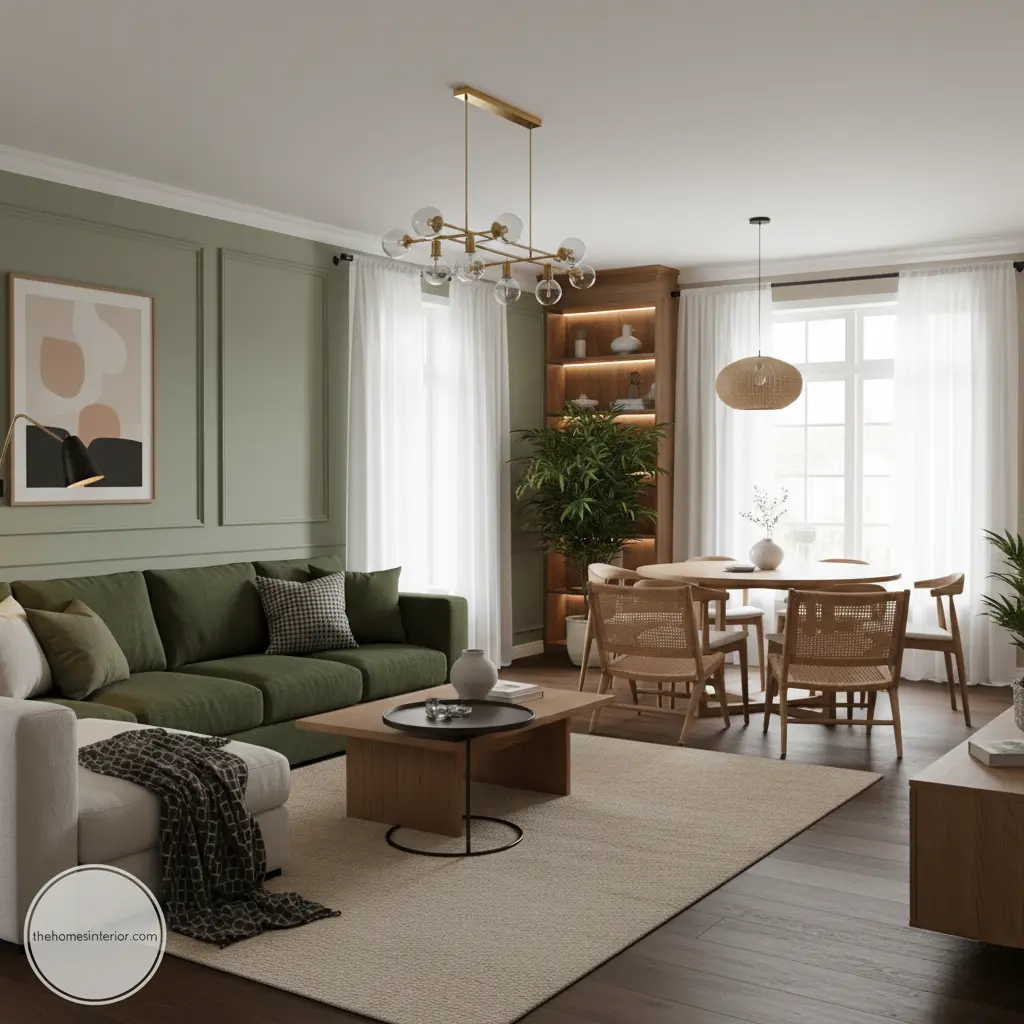
Creating harmony doesn’t require a massive budget or a professional team. It starts with intention and a few guiding strategies.
Begin by choosing a color palette that reflects the mood you want, whether it’s energizing, soothing, or dramatic. Stick to a few core colors and repeat them across different elements like textiles, wall finishes, and accessories.
Next, consider your materials and textures. If you’re using wood, try to keep the undertones consistent. Mix soft fabrics with harder surfaces to create balance. For example, pair a velvet sofa with a metal coffee table or a jute rug with ceramic vases.
Lighting plays an essential role, too. Use a mix of ambient, task, and accent lighting to create layers and depth. Repeating finishes, like brass or matte black, across fixtures helps maintain cohesion.
Finally, edit ruthlessly. Harmony often comes from knowing what to leave out. If a piece doesn’t support the overall feel of the room, it might be better placed elsewhere.
Pro Tip: Take photos of your space and view them in black and white. This trick helps you spot imbalances in tone and contrast that might disrupt harmony.
Frequently Asked Questions
Can I mix different design styles and still achieve harmony?
Absolutely. The key is to find common threads, like color, texture, or shape, that link the styles together. A mid-century chair can live beautifully next to a rustic console if they share similar tones or proportions.
What’s the difference between harmony and balance?
Balance refers to the distribution of visual weight in a space, symmetrical or asymmetrical. Harmony is broader; it’s about how all elements relate and work together emotionally and visually.
How do I know if my room lacks harmony?
If your space feels busy, disconnected, or hard to relax in, it may lack harmony. Look for clashing colors, inconsistent styles, or mismatched scales. Simplifying and unifying elements often helps.
Is harmony more important than functionality?
They go hand in hand. A harmonious space should also be functional. When design and utility align, the result is both beautiful and livable.