
Ever wondered what it really takes financially to bring your dream home to life? One of the first questions homeowners ask before starting any design project is, “How much does interior design cost?” The truth is, the price can vary widely depending on your location, designer experience, project scope, and desired aesthetic. Whether you’re updating a single space or planning a full home renovation, knowing the costs upfront helps you design beautifully and budget wisely.
In this article, “How Much Does Interior Design Cost? A Complete 2026 Pricing Guide,” we’ll break down the real numbers behind interior design pricing in the U.S. You’ll learn how designers charge, what factors influence the final bill, and how to get the most value for your investment without sacrificing style or quality.
What Does an Interior Designer Actually Do?
Before we discuss costs, it’s important to understand what interior designers provide.
Interior design is more than picking paint colors or furniture. A professional designer helps you:
- Plan your layout for maximum functionality
- Choose materials, textures, and colors that suit your taste
- Source high-quality furniture and décor
- Coordinate with contractors and vendors
- Manage your project from concept to completion
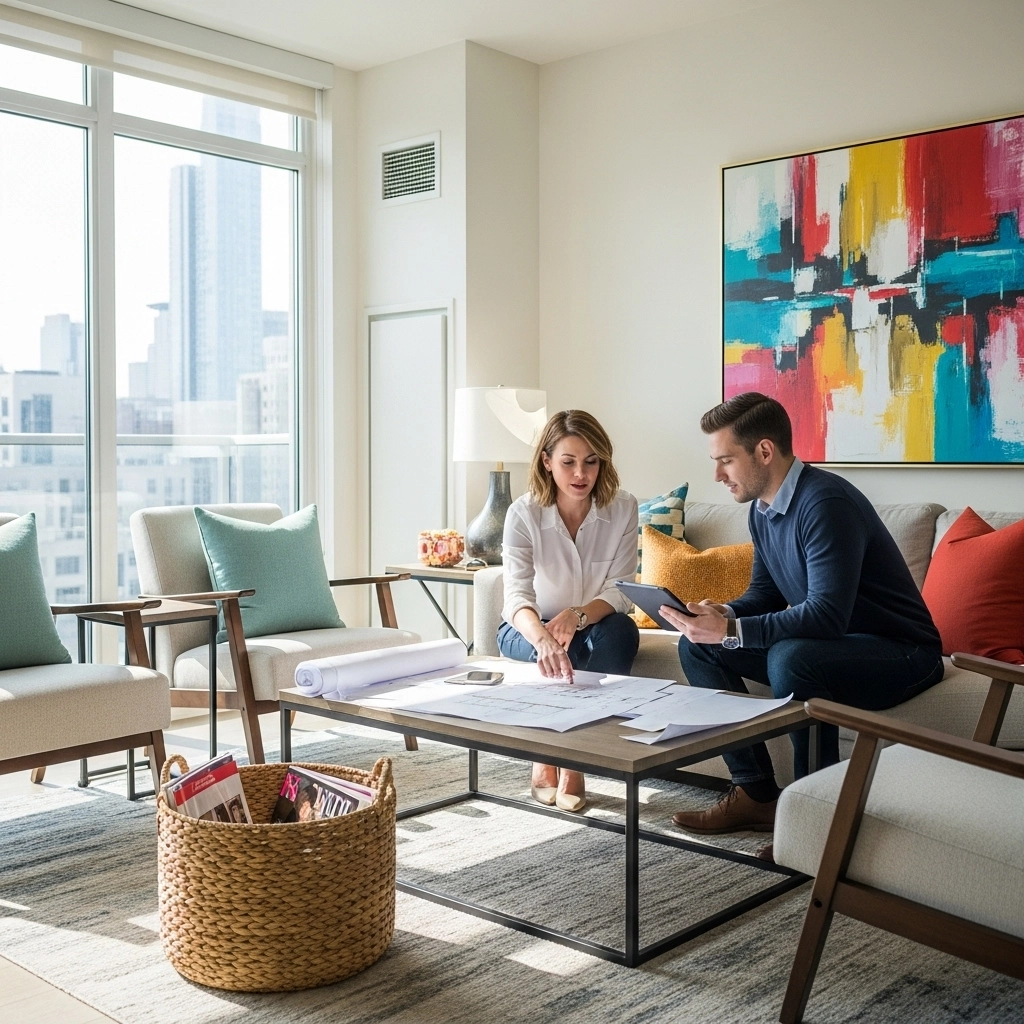
This combination of creativity, technical knowledge, and project management is what makes their expertise valuable and explains the range in pricing.
Understanding how much interior design costs is essential for clients and equally valuable for aspiring designers who want to build their own brand. If you’re interested in launching your own studio, check out our complete guide on how to start an interior design business.
Average Cost of Interior Design Services in the U.S. (2025)
On average, interior design services in the U.S. cost between $2,000 and $10,000+ per room, depending on the designer’s experience, project scope, and location.
Here’s a general overview:
| Project Type | Average Cost Range (USD) |
| Design Consultation (per hour) | $100 – $300 |
| Full-Service Interior Design (per room) | $2,000 – $10,000+ |
| Virtual Interior Design (E-design) | $500 – $2,000 per room |
| Whole Home Design (2,000 sq. ft.) | $15,000 – $50,000+ |
| Luxury Interior Design (High-end) | $50,000 – $200,000+ |
Pro Tip: If you’re on a budget, consider hiring designers who offer E-design online services that deliver custom room plans virtually. It’s an affordable way to access professional advice.
How Do Interior Designers Charge?
Designers use different pricing models depending on the project and client needs. Understanding these models helps you choose the one that fits your budget best.
a. Hourly Rate
Designers charge an hourly rate (usually $100–$300/hour).
This is common for consultations or small projects like single-room updates.
b. Flat Fee
Many designers offer a fixed flat rate for an entire project ideal if you want predictable costs.
Typical range: $2,000–$10,000+ per room.
c. Percentage of Project Cost
Some charge 10%–25% of your total project budget (furniture, décor, and renovation included).
This model is common for large or luxury projects.
d. Cost-Plus Pricing
The designer purchases materials and furniture at trade discounts and charges a markup (typically 20–35%) to cover sourcing, management, and expertise.
e. Design Retainer
For ongoing or large-scale work, designers may ask for an upfront retainer fee that’s later applied toward your final invoice.
Factors That Affect Interior Design Costs
Not all design projects are created equal. Several key factors influence how much you’ll pay:
1. Project Scope
A full-home redesign costs far more than a single-room refresh. The more areas, furniture, and customization needed the higher the cost.
2. Designer Experience
Top-tier designers or firms with proven portfolios command premium rates because of their experience, network, and execution quality.
3. Location
Costs vary by city:
- New York, Los Angeles, and San Francisco: typically 20–30% higher
- Mid-sized cities (Dallas, Atlanta): moderate pricing
- Small towns or rural areas: more affordable
4. Design Complexity
Custom furniture, lighting installations, or unique architectural work add to total costs.
5. Materials and Brands
Luxury finishes, imported tiles, or designer furniture significantly raise your budget.
Cost Breakdown by Room Type
To help you plan better, here’s what typical U.S. homeowners can expect to spend by room:
| Room Type | Average Cost Range (USD) |
| Living Room | $3,000 – $15,000+ |
| Bedroom | $2,000 – $10,000 |
| Kitchen | $5,000 – $25,000+ |
| Bathroom | $3,000 – $20,000 |
| Home Office | $1,500 – $8,000 |
| Dining Room | $2,000 – $12,000 |
Tip: Start with one room at a time. Many clients design high-traffic spaces first (like living rooms), then move on to bedrooms or offices later.
How to Budget for Your Interior Design Project
Budgeting can be overwhelming, but it’s easier when you know what to expect. Here’s a smart breakdown strategy:
- Set a total budget and decide how much you’re comfortable investing.
- Allocate funds by category:
- 40% for furniture and materials
- 30% for design and labor fees
- 20% for décor and accessories
- 10% as a contingency fund
- 40% for furniture and materials
- Ask for transparency: request detailed quotes and invoices.
- Phase your project spread costs over months or rooms if needed.
A trustworthy designer will help you maximize your budget without sacrificing style or quality.
Ways to Save Money on Interior Design
You don’t need a celebrity-level budget to achieve stunning results. Here are cost-saving ideas:
- Hire a newer designer: Talented newcomers often charge lower rates while building their portfolios.
- Mix high and low: Combine luxury statement pieces with affordable finds.
- Shop during sales: Many designers pass on trade discounts.
- Reuse or upcycle: Refresh existing furniture with new upholstery or paint.
- Try virtual design services: Ideal for smaller budgets.
Remember great design doesn’t have to mean expensive design. Creativity and strategy can stretch your dollar far.
Real-Life Example: Modern Home Makeover on a Budget

Meet Jessica and Ryan, a couple from Austin, TX. They wanted a fresh, modern look for their 1,200 sq. ft. home but didn’t have a huge budget.
They hired a virtual designer who charged $1,800 per room for full layouts, mood boards, and product sourcing. The couple implemented the design themselves, saving on labor costs.
Total project cost: $7,500 for the entire home including furniture and décor.
Result: a cohesive, stylish space that looked far above their budget.
Common Mistakes to Avoid When Hiring a Designer
- Skipping consultations: Always discuss style, budget, and expectations first.
- Not signing a contract: Verbal agreements lead to confusion later.
- Micromanaging: Trust your designer’s expertise; it’s why you hired them.
- Ignoring lighting: Good design fails without proper light planning.
- No contingency plan: Always reserve at least 10% extra for surprises.
FAQs: How Much Does Interior Design Cost?
Q1. Can I hire an interior designer for just one room?
Absolutely. Many designers offer single-room packages or consultations to suit smaller budgets.
Q2. Is hiring an interior designer worth it?
Yes professionals save you time, prevent costly mistakes, and increase your home’s long-term value.
Q3. What’s the difference between an interior designer and a decorator?
Designers handle layout, structure, and function, while decorators focus on aesthetics like color and furniture.
Q4. How long does an interior design project take?
Small projects take 2–4 weeks; full home designs can take 2–6 months, depending on complexity.
Q5. Do designers offer payment plans?
Many do! Some split payments across milestones or phases for easier budgeting.
Final Thoughts
So how much does interior design cost?
It depends on you, your space, your goals, and your designer.
While the investment might seem significant, remember that professional design adds comfort, style, and value to your home. Whether you spend $2,000 or $50,000, the key is choosing a designer who listens, plans, and executes with integrity.
With smart budgeting and a clear vision, your dream space is within reach, beautifully designed and worth every penny.