Starting your own interior design business can be one of the most rewarding ways to turn creativity into a career. You get to bring beauty, function, and personality into people’s lives, and make a living doing what you love.
But transforming your design passion into a profitable business requires more than a good eye for color or furniture. It takes planning, professionalism, and persistence.
In this comprehensive guide, you’ll learn exactly how to start an interior design business in the U.S., from defining your niche to attracting your first clients.
1. Discover Your Niche and Target Audience
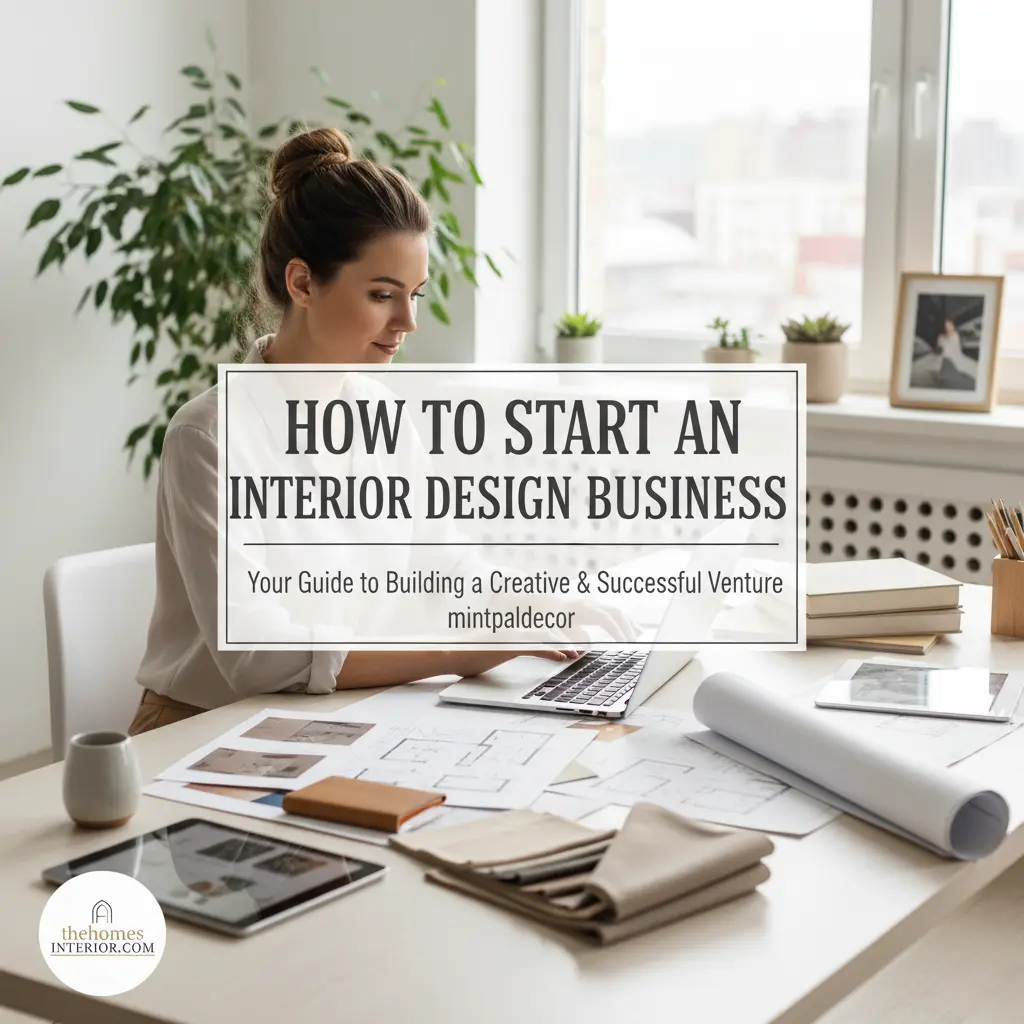
Every great business begins with a clear focus. Before you register a company or create a website, identify what type of interior design services you’ll offer and who your ideal clients are.
Some common niches include:
- Residential design (homes, apartments, condos)
- Commercial design (restaurants, offices, retail)
- Sustainable or eco-friendly interiors
- Luxury or minimalist design
- Home staging and renovation consulting
Ask yourself:
- What style or market excites me most?
- Do I prefer working with homeowners or businesses?
- Is there demand for this style in my area?
Pro Tip: Visit local design events or browse social media groups to understand what’s trending in your region. This helps you position your business strategically.
2. Develop Your Brand Identity
Your brand is more than a logo, it’s your story, your aesthetic, and the promise you make to clients.
To build a strong identity:
- Choose a business name that’s memorable and aligns with your style.
- Design a professional logo and consistent color palette.
- Craft a mission statement that reflects your design philosophy.
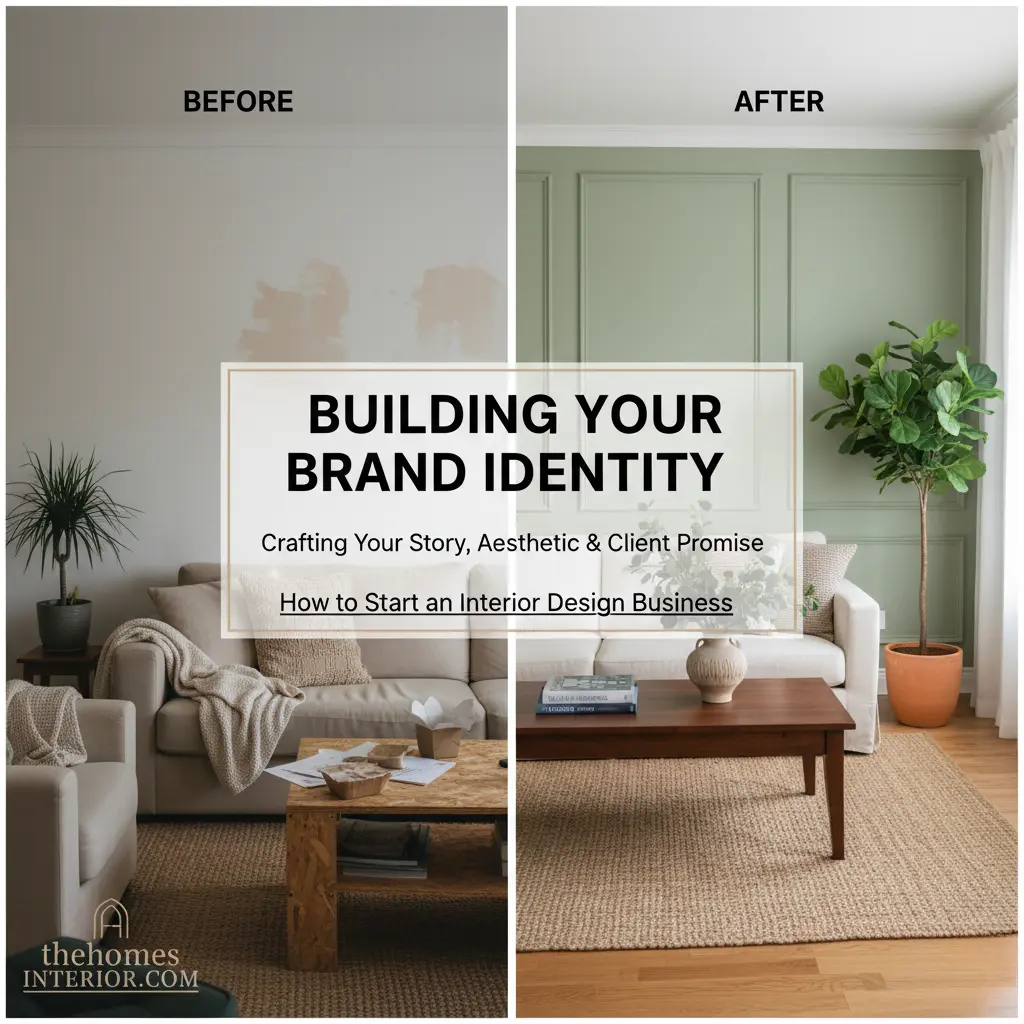
- Build a portfolio that showcases your best work (even if it’s mock projects or room makeovers).
If you’re just starting, create “before and after” transformations of your own home or volunteer to style a friend’s space. These projects can help you build credibility fast.
3. Register Your Business and Handle Legal Basics
In the U.S., starting a legitimate business means handling the necessary paperwork from the start.
Here’s what you’ll need:
- Business registration: Choose your structure, sole proprietorship, LLC, or corporation. Many designers prefer LLCs for legal protection.
- Business license: Check your state and city requirements.
- Tax ID (EIN): You’ll need this for business banking and tax purposes.
- Insurance: Get general liability and professional indemnity coverage.
- Contracts: Always use written agreements to outline project scope, payment terms, and deliverables.
Having your legal foundations in place builds trust with clients and establishes your professional credibility.
4. Build an Inspiring Portfolio and Website
Your portfolio is your most powerful marketing tool. Clients want to see your design style and how you solve real-life problems.
Even if you’re new, create example projects to showcase your skills. Use high-quality photos and descriptive captions explaining your design decisions.
Then, build a simple, visually stunning website that includes:
- A portfolio gallery
- About page (highlighting your experience and design philosophy)
- Services offered
- Client testimonials or case studies
- Contact form
Platforms like Wix, Squarespace, or WordPress make it easy to build a professional site, even without coding skills.
5. Understand Pricing and Create Service Packages
Pricing can make or break your new design business. Many beginners undercharge, thinking it will attract more clients, but undervaluing your work can hurt your brand long-term.
Common pricing models:
- Hourly rate: $50–$200/hr depending on experience and location
- Flat fee per project: Great for clarity and budgeting
- Percentage of project cost: Often used in high-end or commercial design
Pro Tip: Research local competitors’ pricing and adjust according to your skill level and niche. Be transparent about costs from the start, it builds trust and avoids misunderstandings.
6. Build Your Online Presence
In today’s market, your online visibility is as important as your design portfolio.
Focus on:
- Social media marketing: Share before/after transformations, design tips, and videos of your process. Instagram, Pinterest, and TikTok are top platforms for designers.
- SEO (Search Engine Optimization): Use keywords like interior design business USA, how to become an interior designer, or home design startup tips.
- Google Business Profile: Helps local clients find you easily.
- Networking: Join interior design associations like ASID (American Society of Interior Designers) or local business groups.
Consistency in posting and engaging with your community builds authority and recognition in your niche.
7. Manage Finances and Operations
A creative business still needs strong management. Keep your finances organized from the start:
- Open a separate business bank account.
- Use invoicing tools like QuickBooks or HoneyBook.
- Track all expenses and save receipts for taxes.
- Plan for seasonal fluctuations, interior design projects may vary throughout the year.
If managing finances isn’t your strength, hire an accountant or bookkeeper early. It’s an investment that keeps your business healthy.
8. Master Client Relationships

Clients aren’t just buying your designs, they’re buying your trust and vision.
To deliver exceptional service:
- Communicate regularly and clearly.
- Set realistic timelines and stick to them.
- Share visual mood boards and progress updates.
- Handle feedback gracefully.
MintPalDecor-style designers often emphasize “listening before designing.” Understanding your client’s lifestyle and preferences is the foundation of a successful design partnership.
9. Stay Educated and Keep Growing
Interior design is constantly evolving, with new materials, sustainability trends, and digital tools emerging all the time.
Stay ahead by:
- Attending workshops and trade shows (like NeoCon or High Point Market).
- Enrolling in online design certifications.
- Reading design blogs, magazines, and trend reports.
The more knowledge you gain, the more clients will trust your expertise.
10. Real-World Case Study: From Hobby to Thriving Business
Let’s take Samantha, a Texas-based designer, who began decorating homes for friends. She started an Instagram page to share her work, gained local attention, and decided to register her business.
She:
- Created a portfolio site
- Joined networking groups
- Offered small consultations at discounted rates
- Focused on excellent client communication
Within 18 months, Samantha’s part-time hobby became a six-figure design studio specializing in modern farmhouse interiors.
Her success shows that with focus, branding, and persistence, anyone can grow a sustainable interior design business.
FAQs: How to Start an Interior Design Business
Q1. Do I need a degree to start an interior design business in the U.S.?
Not necessarily. While formal education helps, many successful designers are self-taught. Focus on developing a strong portfolio and practical design skills.
Q2. How much does it cost to start an interior design business?
It depends on scale. A small home-based studio can start under $5,000, covering tools, marketing, and website costs. Larger firms may need $20,000+ for office space and staff.
Q3. How do I find my first clients?
Start with your personal network, offer free consultations, or collaborate with realtors and contractors. Showcase your work on social media consistently.
Q4. What software do interior designers use?
Popular tools include SketchUp, AutoCAD, Canva, and Roomstyler for creating visuals and layouts.
Q5. How can I stand out from other designers?
Develop a unique design style, deliver an exceptional client experience, and build a recognizable brand voice online.
Final Thoughts
Starting an interior design business is a journey that combines creativity, strategy, and persistence. With clear goals, strong branding, and continuous learning, you can turn your design passion into a thriving career.
Remember: every successful studio started with one client, one project, and one bold idea. Take that first step, your future clients are waiting to see your vision come to life.