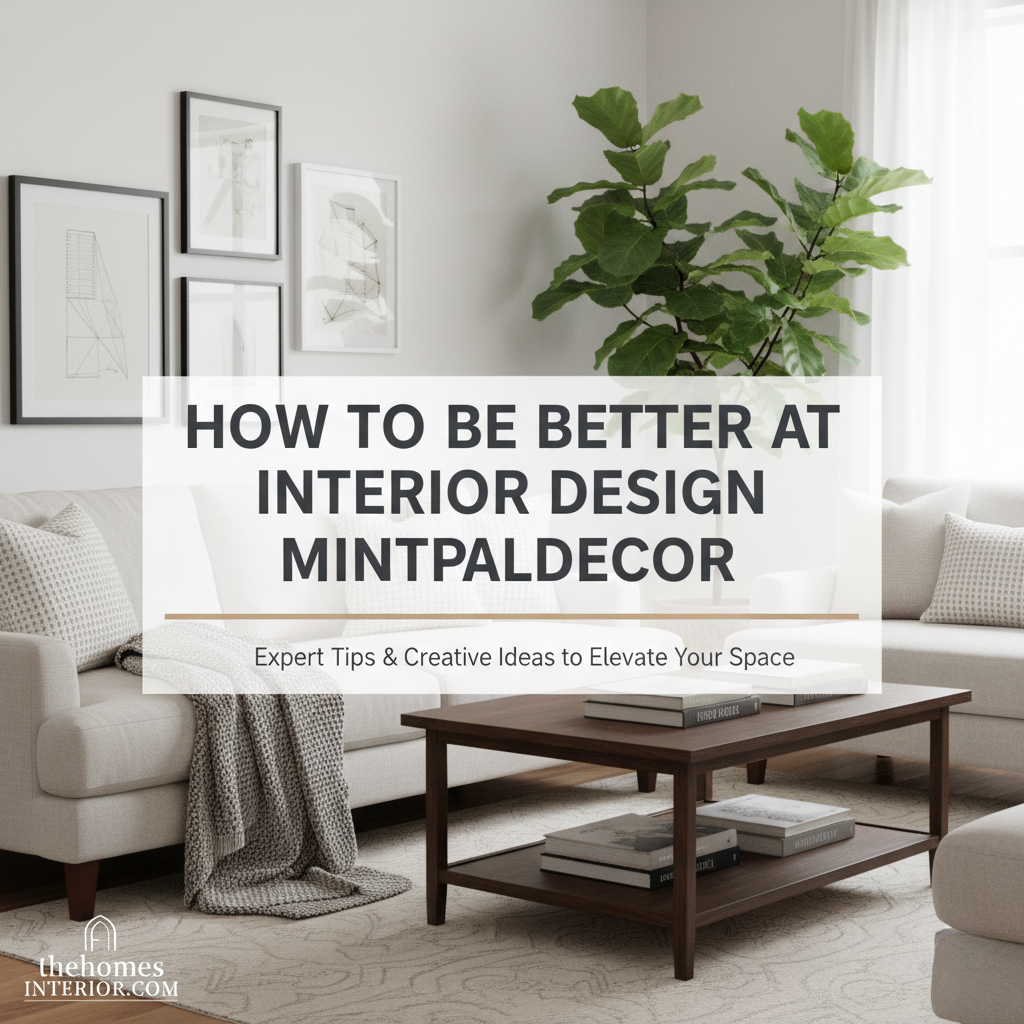
Interior design is more than just arranging furniture or choosing paint colors, it’s about creating spaces that feel like you. Whether you’re decorating your first apartment or styling a client’s home, improving your interior design skills can elevate any space from ordinary to stunning.
At MintPalDecor, we’ve seen how a few key principles, combined with creativity, planning, and trust in your vision, can completely transform your interiors. In this article, we’ll show you how to be better at interior design, step by step, with insights drawn from real experience and professional expertise.
1. Start with a Vision
Every great design begins with a clear vision. Instead of copying trends, think about how you want your space to feel.
Ask yourself:
- What emotions should this space evoke, calm, excitement, comfort, focus?
- How do I want people to feel when they enter this room?
- What’s the main purpose of the space?
Once you define that vision, every design choice, from color to furniture, should align with it.
Pro Tip: Create a digital or physical mood board. Pin colors, fabrics, and inspirations that capture your goal. It’s the easiest way to clarify your design direction before you buy anything.
2. Understand the Power of Color and Lighting
Color and light are the foundation of great design. They shape the mood, size perception, and flow of a room.
- Light tones make spaces look larger and brighter.
- Dark tones add depth, warmth, and sophistication.
- Accent shades bring personality and focus.
Lighting is equally important. Combine:
- Ambient lighting (ceiling fixtures)
- Task lighting (reading lamps or under-cabinet lights)
- Accent lighting (spotlights or LEDs)
MintPalDecor designers often say: “You don’t need more furniture, just better lighting.” Proper illumination can completely transform a space without changing anything else.
3. Mix Textures and Materials
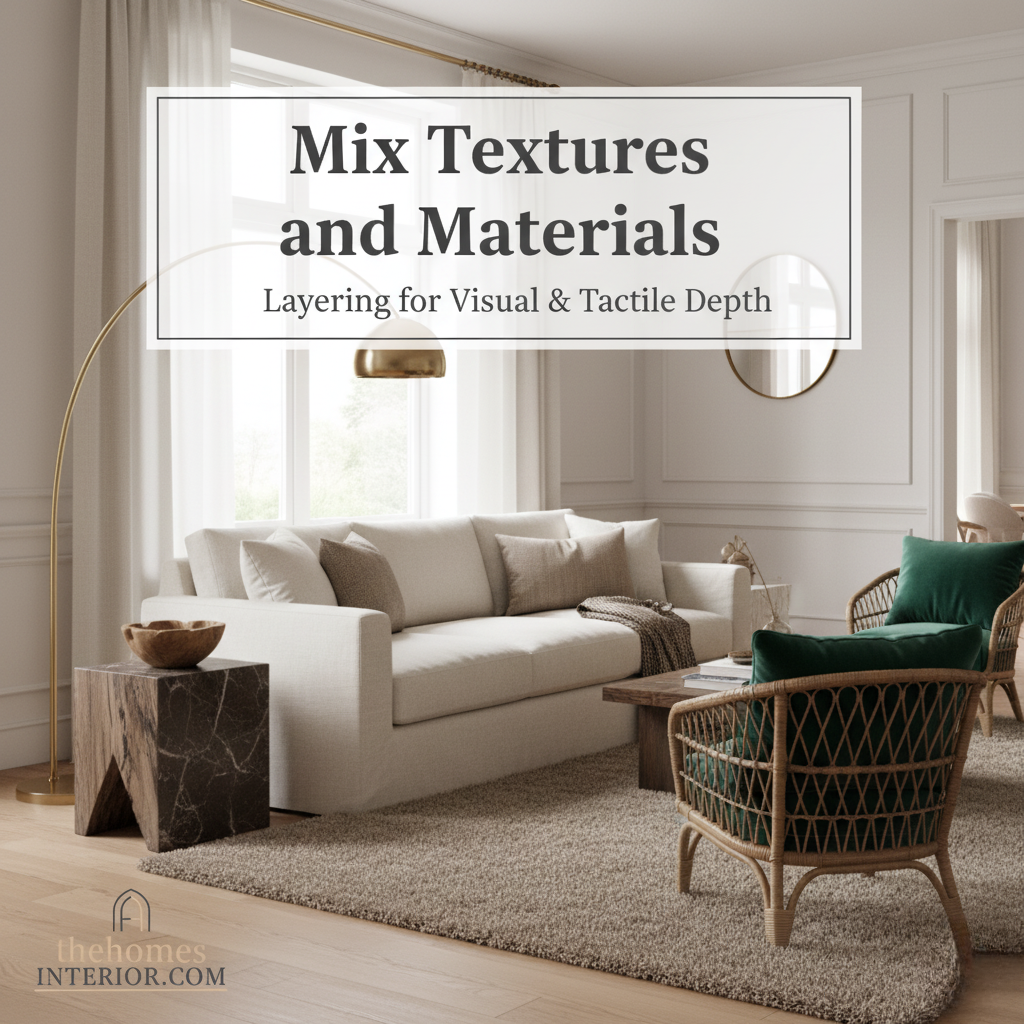
A beautifully designed room appeals to both the eyes and the hands. Layering textures creates visual and tactile depth.
Try this:
- Pair a linen sofa with a wool rug and brass lamp.
- Combine smooth marble with rough wood accents.
- Use velvet cushions on rattan chairs for contrast.
The secret is balance. Too much of one material can make a room feel flat or cold. Mixing natural and manmade textures gives your space richness and harmony.
4. Plan Your Space Thoughtfully
Interior design is 50% creativity and 50% space planning. Even the most stylish pieces won’t look right if they don’t fit or flow well.
Here’s how to plan effectively:
- Measure everything before purchasing furniture.
- Sketch a floor plan or use online room planning tools.
- Define zones, for example, a reading corner, dining area, or workspace.
- Keep pathways clear, aim for at least 2.5 feet of walking space around furniture.
Remember: comfort is just as important as beauty. The best rooms look good and feel easy to live in.
5. Personalize Your Space
A home should tell your story. Personalization is what turns a house into a haven.
Add meaning through:
- Family photos or heirlooms
- Art from local creators
- Travel souvenirs
- Vintage finds
MintPalDecor stylists often combine modern pieces with personal artifacts to make spaces feel timeless and authentic.
Example: A sleek apartment can still feel warm when you include your grandmother’s wooden chair or framed vacation photos.
6. Learn the Design Fundamentals
You don’t need a degree to understand the basics. A few simple design principles can drastically improve your eye for balance and composition:
- Symmetry: Use matching objects or patterns for harmony.
- Scale: Choose furniture proportionate to your room size.
- Contrast: Pair light and dark, smooth and textured, old and new.
- Rhythm: Repeat shapes or colors to create flow.
- Balance: Distribute visual weight evenly across the room.
Start observing interiors in magazines or MintPalDecor’s gallery, you’ll begin to recognize these rules in action everywhere.
7. Practice Makes Perfect
Like any art form, interior design improves with practice. You learn what works, and what doesn’t, through experimentation.
Start small:
- Redecorate your entryway.
- Try a new wall color in your bedroom.
- Rearrange furniture to test flow and light direction.
Each project builds confidence and skill. Even professionals started by making small changes and learning from mistakes.
8. Balance Trends with Timelessness
Trends are exciting, but timeless design endures. It’s tempting to buy what’s popular on social media, but those styles often fade quickly.
Instead, use trends for small accents, throw pillows, rugs, or artwork, while keeping your main pieces classic and neutral.
MintPalDecor’s design philosophy blends modern appeal with enduring quality. This approach ensures your space feels fresh today and stylish five years from now.
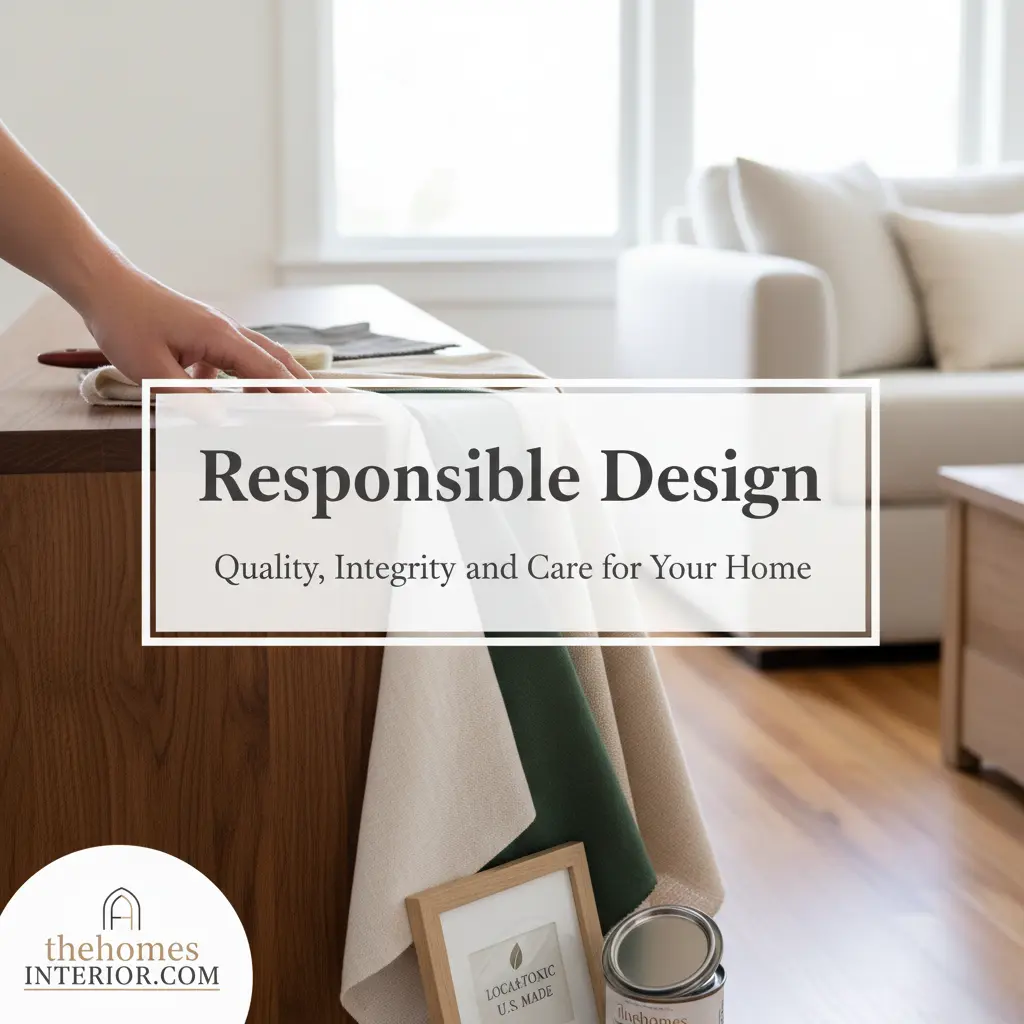
9. Choose Quality and Sustainability
Good design also means responsible design. Quality materials last longer and reduce waste.
Opt for:
- Solid wood furniture instead of particleboard.
- Organic fabrics and non-toxic paints.
- Local or U.S.-made décor when possible.
This not only supports sustainable practices but also builds trust, knowing your home was designed with integrity and care.
10. Keep Learning and Evolving
Interior design isn’t static; it evolves with you. Attend workshops, follow trusted blogs like MintPalDecor, and observe how professionals mix patterns, colors, and layouts.
Even experienced designers never stop learning. The more you study, practice, and explore, the more your confidence will grow, and the more your designs will reflect your personality and skill.
Case Study: A Real MintPalDecor Transformation
A young couple in Austin, Texas, reached out to MintPalDecor for help refreshing their living space. Their home felt cluttered and disconnected, too many styles and mismatched furniture.
Our approach:
- Defined their vision: modern, cozy, and inviting.
- Neutralized the palette: replaced loud colors with soft beige, clay, and olive tones.
- Layered lighting: added wall sconces and dimmable lamps.
- Introduced texture: a wool rug, woven baskets, and oak furniture.
- Added personal touches: framed travel photos and handmade pottery.
The result? A calm, balanced living space that reflected their story. The couple said, “It finally feels like our home, not a catalog.”
FAQs: How to Be Better at Interior Design (MintPalDecor)
Q1. What’s the easiest way to start improving my design skills?
Start small. Redecorate one room at a time and study what feels right or off. Use free online design tools and browse trusted sites like MintPalDecor for inspiration.
Q2. How do I find my personal design style?
Save photos of interiors that speak to you. Look for patterns, do you prefer minimal, coastal, or rustic vibes? Over time, your personal aesthetic will reveal itself.
Q3. Can I be good at interior design without formal education?
Yes! Many great designers are self-taught. Learn the basics of color theory, proportion, and layout, and practice regularly.
Q4. How do I make a small space look bigger?
Use light paint colors, mirrors, and vertical storage. Keep furniture proportional and avoid heavy curtains or clutter.
Q5. What are some common beginner mistakes?
- Ignoring lighting layers
- Buying furniture before measuring
- Overcrowding rooms
- Following every trend instead of finding balance
Q6. Why trust MintPalDecor’s design advice?
Because MintPalDecor combines real-world experience with a passion for accessible design. Our team focuses on practical, honest advice that helps everyday homeowners create stunning, livable spaces.
Conclusion: Your Path to Better Interior Design
Becoming better at interior design isn’t about copying Pinterest rooms, it’s about understanding space, emotion, and purpose. By mastering color, lighting, texture, and balance, and learning from experts like MintPalDecor, you can create interiors that are not only beautiful but deeply personal.
Remember:
Design is a journey, not a race. Every project teaches something new. So start where you are, keep experimenting, and let your creativity evolve naturally. With time and practice, you won’t just decorate, you’ll design with confidence and heart.