
Picture this: You’re standing in a showroom, mesmerized by a stunning slab of quartz. The shade is perfect, the texture flawless, and you can already imagine it transforming your kitchen. But then comes the quote — and suddenly, your dream countertop feels like a luxury splurge you didn’t plan for.
Quartz countertops are cherished for their durability, elegance, and low maintenance, but Quartz Countertop Installation Costs can vary dramatically depending on materials, labor, and location. Without a clear understanding of these factors, many homeowners end up overspending. Whether you’re remodeling your kitchen or upgrading a bathroom vanity, learning how to manage Quartz Countertop Installation Costs will help you stay on budget without sacrificing style or quality.
What Really Drives Quartz Countertop Installation Costs?
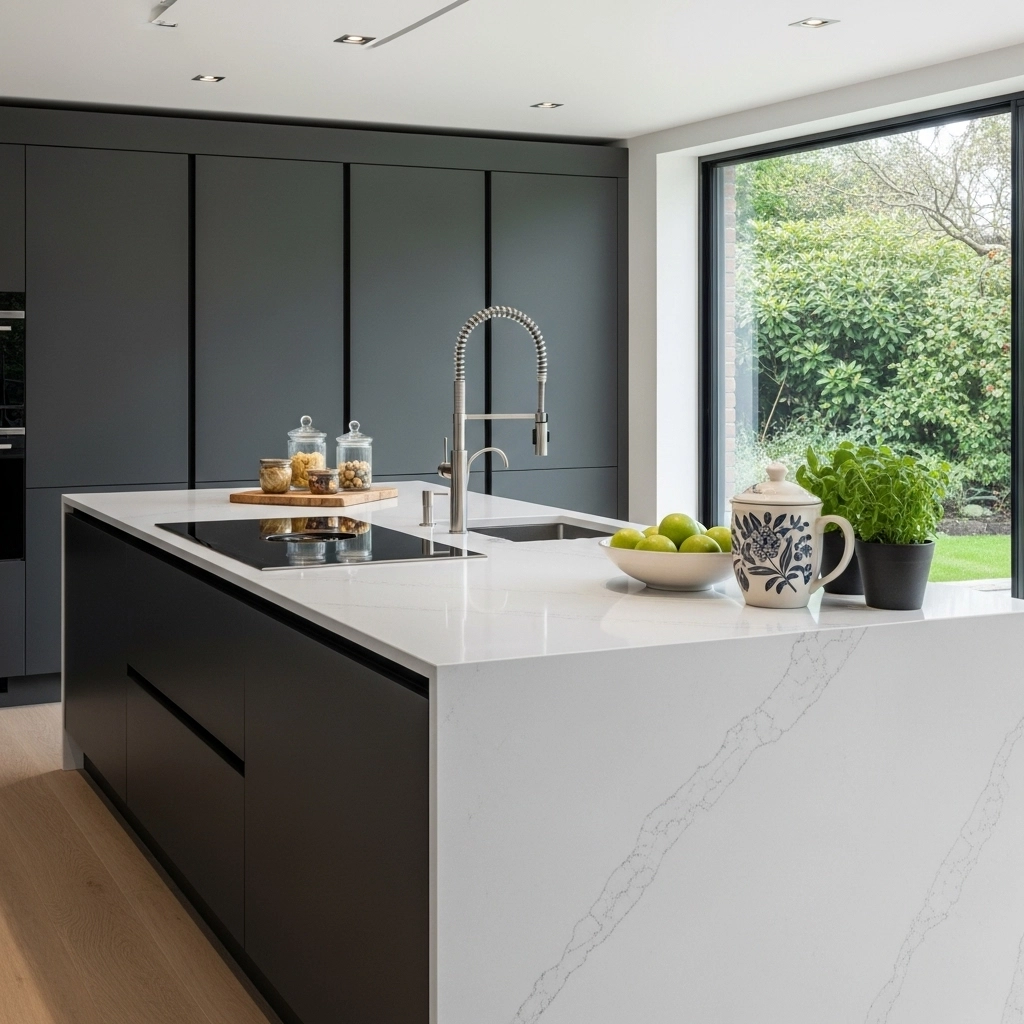
Quartz countertops typically range from $50 to $150 per square foot, including installation. But that number can shift based on several factors.
First, the grade of quartz matters. Entry-level options are more affordable but may offer fewer color choices and simpler patterns. Premium slabs with intricate veining or custom finishes command higher prices. Thickness also plays a role , 3cm slabs are sturdier and more expensive than 2cm ones, and they may require reinforced cabinetry.
Edge profiles are another hidden cost. While a straight or beveled edge keeps things simple, ornate styles like ogee or waterfall edges add labor and expense. The complexity of your layout , think sink cutouts, cooktop openings, or curved corners , can also drive up fabrication costs.
And don’t forget location. Labor rates vary by region, and remote areas may incur delivery fees. Finally, the installer’s experience and reputation can influence pricing. High-end fabricators often charge more but offer better precision, warranties, and customer service.
How to Save Money Without Sacrificing Style
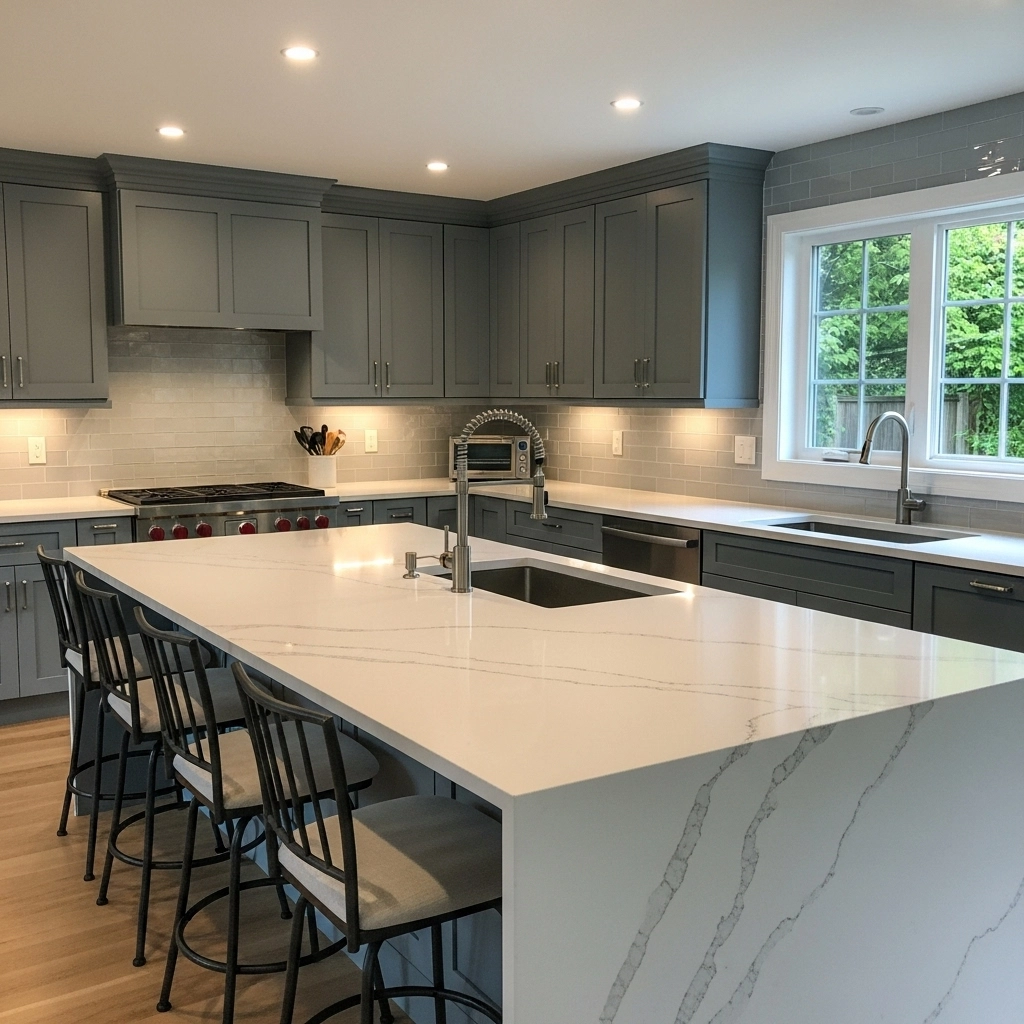
Let’s talk strategy. If you want quartz countertops that look high-end but don’t break the bank, here’s how to approach it.
Start with simplicity. Choose a clean edge profile like straight or eased , it’s timeless, elegant, and less expensive to fabricate. Stick to neutral colors that are widely available and less likely to carry a premium they also promote visual harmony across different design styles. These shades also tend to have better resale appeal.
Consider prefabricated slabs. These come in standard sizes with finished edges, reducing the need for custom fabrication. They’re ideal for straightforward layouts like galley kitchens or small bathrooms.
If your project is compact , a powder room vanity or laundry counter , ask local fabricators about remnants. These leftover pieces from larger jobs are often sold at a steep discount and can be perfect for small spaces.
Timing also matters. Quartz prices fluctuate seasonally, and late winter or early spring often brings clearance sales as showrooms rotate inventory. If you’re not in a rush, waiting for a promotion can yield significant savings.
And while full DIY installation isn’t recommended for quartz (it’s heavy and requires precision), you can reduce labor costs by doing the prep work yourself. Removing old countertops, leveling cabinets, and installing underlayment are tasks many homeowners can handle with basic tools and guidance.
Choosing the Right Installer
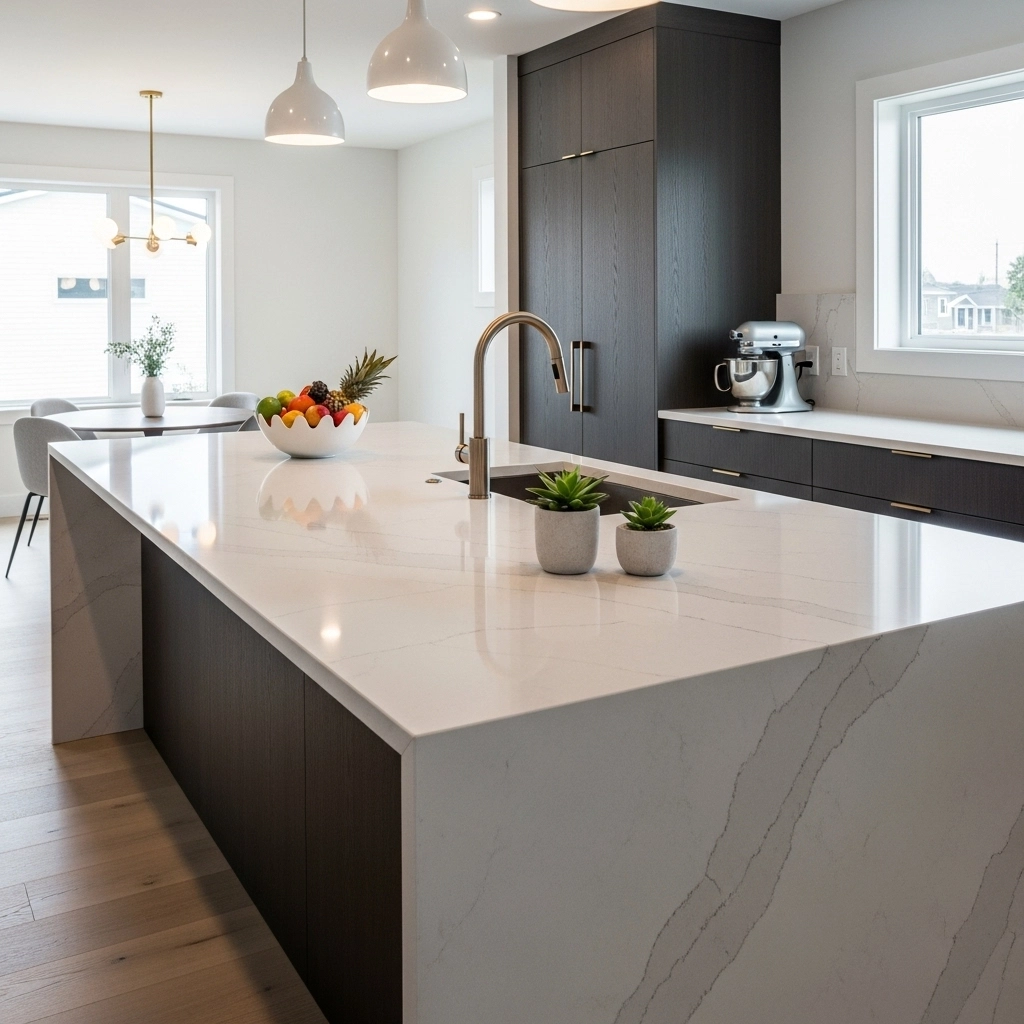
This step is crucial. Always get multiple quotes , ideally three or more , from licensed professionals. Ask for a breakdown of costs, including material, fabrication, and installation. Look for installers who offer warranties and have strong reviews or portfolios.
Local fabricators often provide better value than big-box stores. They’re more flexible, may offer package deals, and can help you source remnants or discounted slabs. Plus, you’ll get more personalized service and direct communication.
Frequently Asked Questions
Is quartz more expensive than granite?
Generally, yes , quartz has a higher upfront cost but requires less maintenance. Granite needs regular sealing, while quartz is non-porous and stain-resistant.
Can I install quartz countertops myself?
It’s not recommended unless you have professional-grade tools and experience. Quartz is heavy and unforgiving , mistakes can be costly. However, you can save by handling demolition and prep work.
How long does installation take?
From templating to final install, expect about 7 to 10 days. Complex layouts or custom requests may extend the timeline.
Is quartz worth the investment?
Absolutely. It’s durable, stylish, and adds long-term value to your home. Plus, it’s easier to maintain than natural stone.
Smart Design, Smarter Spending
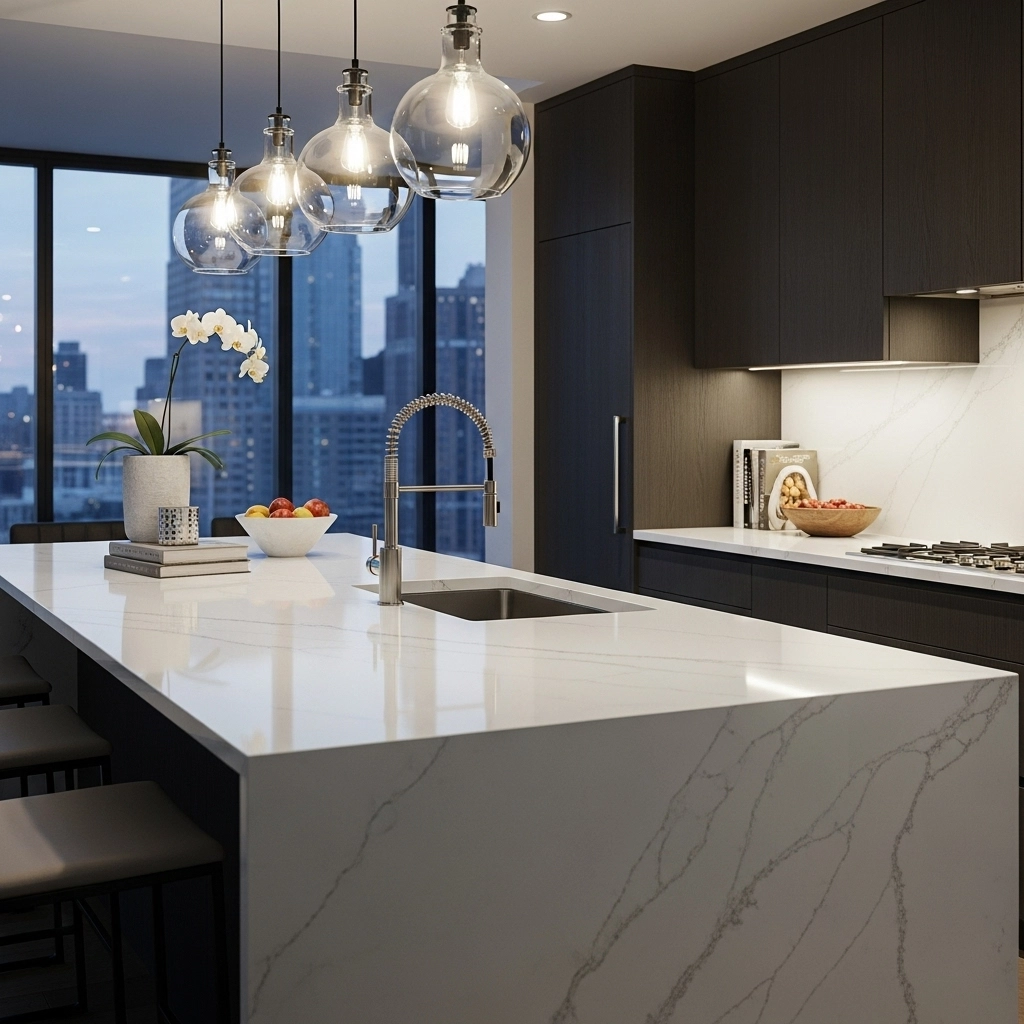
Quartz countertops are a beautiful investment , but they don’t have to be a budget buster. By choosing simple designs, shopping strategically, and working with the right professionals, you can achieve a high-end look without overspending.
Here’s what to remember:
- Simplicity saves money , opting for clean edges and neutral tones.
- Prefab slabs and remnants offer big value for smaller projects.
- Seasonal timing and local sourcing can unlock hidden deals.
- Prep work is your DIY sweet spot , leave the heavy lifting to the pros.
Design is about more than aesthetics , it’s about making choices that feel good, look great, and work for your life. With the right approach, your quartz countertops can be both stunning and smart.
What’s your biggest challenge when planning a countertop upgrade? Share your thoughts in the comments , I’d love to help you design with confidence.