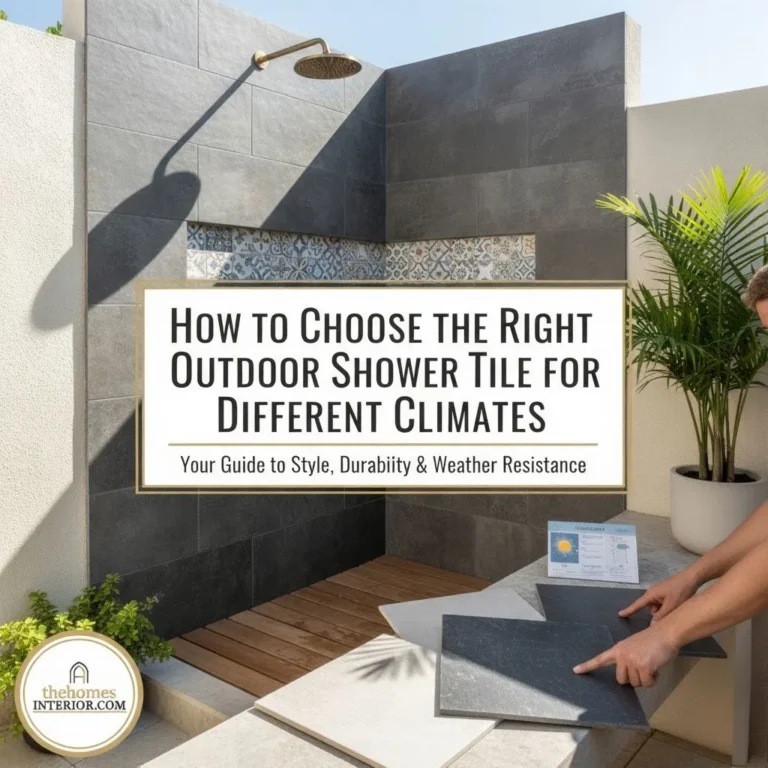
There’s something deeply restorative about water meeting skin in the open air. An outdoor shower isn’t just a luxury, it’s a lifestyle upgrade. It brings nature into your daily rhythm, offers a practical rinse-off spot after gardening or swimming, and adds undeniable charm to your backyard. If you’ve ever wondered how to make an outdoor shower, the process blends creativity with smart design choices.

Whether you’re dreaming of a rustic rinse station tucked behind a cabin or a sleek coastal setup beside the pool, learning how to make an outdoor shower starts with a clear vision and ends with thoughtful craftsmanship, transforming your outdoor space into a personal retreat.
Table of Contents
How to Make Your Outdoor Shower Feel Like a Retreat
Building an outdoor shower isn’t just about plumbing and panels; it’s about creating a space that invites pause. Think beyond function and lean into experience. Surround the area with greenery that softens the edges and adds privacy. Use natural materials like stone, teak, or weathered wood to echo the landscape. Add ambient lighting for evening use, and consider planting lavender, eucalyptus, or rosemary nearby to elevate the sensory experience.

This is your chance to turn a rinse-off station into a ritual. Whether it’s a post-swim refresh or a quiet morning wake-up, your outdoor shower should feel like a moment stolen from the everyday.
Planning the Perfect Spot
Location is everything. You’ll want a space that offers privacy, sunlight, and easy access to water. A south-facing wall provides natural warmth, while proximity to a garden or pool makes the shower feel purposeful. Drainage matters too. Water should flow away from your home, not toward it. A sloped concrete pad, gravel bed, or dry well can help manage runoff without fuss.
Before you build, walk the space. Imagine the morning light, the breeze, the sound of water. Your shower should feel like a retreat, not an afterthought.
Building the Frame and Base
Start with a simple structure. Pressure-treated wood or cedar posts form the bones of your enclosure. You can go minimalist with a single privacy wall or create a full cubicle with doors and overhead coverage. Leave room for air and light; this isn’t a bathroom, it’s a sanctuary.

The base should be slip-resistant and drain well. Poured concrete, stone pavers, or slatted wood floors all work beautifully. Beneath it, a waterproof membrane or gravel layer ensures longevity and prevents pooling. Choose materials that suit your climate. In coastal areas, corrosion-resistant fixtures are essential. In colder zones, frost-proof plumbing and shut-off valves will protect your setup through winter.
Plumbing with Purpose
Connecting your shower to a water source can be as simple or complex as you like. A garden hose with a splitter works for seasonal use, while a permanent line offers year-round reliability. Use outdoor-rated fixtures and ensure all connections are watertight. If you’re in a freeze-prone region, install a drain system and shut-off valve to prevent damage.

The showerhead itself should match your vibe. A rainfall fixture adds spa-like drama, while a handheld sprayer offers flexibility. Mount it at a comfortable height and test the water pressure before finalizing.
Finishing Touches That Matter
This is where your outdoor shower becomes yours. Add a towel rack, a small bench, or a hook for your robe. Consider a solar heater for eco-friendly warmth. Surround the space with plants, stones, or driftwood to echo the natural world or incorporate elegant touches like wrought iron hooks or vintage mirrors for a hint of Parisian interior design flair. A simple curtain or bamboo screen adds privacy without blocking airflow.

Think about how the shower feels, not just how it looks. Does it invite you in? Does it make you want to linger? That’s the magic.
Style That Reflects Your Surroundings
Your outdoor shower should harmonize with its environment. In tropical climates, bamboo walls and palm fronds create a lush escape. In desert regions, adobe textures and terracotta tones blend seamlessly with the terrain. For coastal homes, whitewashed wood, sea glass accents, and nautical fixtures evoke breezy elegance. Mountain retreats call for slate, cedar, and warm lighting.

Let your landscape guide your palette. Let your home’s architecture inform the lines. And let your own rituals shape the space.
Mistakes to Avoid
Poor Drainage Planning
Don’t overlook drainage. Standing water can damage your home’s foundation, attract pests, and lead to slippery surfaces. Whether you’re using gravel, concrete, or wood slats, make sure water flows away from the structure and dries quickly. Good drainage isn’t optional; it’s essential.
Using the Wrong Fixtures
Avoid installing indoor fixtures outdoors. They may look stylish, but they’re not built to withstand moisture, UV exposure, or temperature swings. Rust, leaks, and premature failure are common issues. Always choose outdoor-rated plumbing and hardware designed for your climate.
Skipping Permits and Local Codes
Before connecting to a water line or gray water system, check your local regulations. Some areas require permits for plumbing or drainage work, especially if it ties into municipal systems. Ignoring this step can lead to fines or forced removal later.
Overcomplicating the Design
Resist the urge to overdesign. A simple, well-placed outdoor shower often feels more luxurious than one overloaded with features. Focus on function, flow, and comfort. Let the materials and setting do the talking; simplicity is your strongest design ally.
Frequently Asked Questions
Do you need a permit to build an outdoor shower?
That depends on your location and whether you’re connecting to plumbing. Always check with local authorities.
Can you use a garden hose instead of plumbing?
Absolutely. It’s a great solution for seasonal use or budget builds, just make sure your fixtures are rated for outdoor exposure.
How do you winterize an outdoor shower?
Drain all water lines, shut off the supply, and cover fixtures. Frost-proof valves and insulated pipes can help if you plan to keep it operational.
What’s the best flooring for an outdoor shower?
Gravel, pavers, or slatted wood are ideal. Avoid slick surfaces and ensure water drains efficiently.
Build with Intention

Learning how to make an outdoor shower from scratch is more than a DIY project; it’s a way to bring nature into your daily life. It’s about creating a space that’s both functional and poetic. When done right, it becomes a ritual, a retreat, and a reflection of your home’s soul.
So what kind of outdoor shower are you envisioning? Rustic and rugged? Coastal and clean? Minimalist and modern? Share your ideas, I’d love to help you shape them into something unforgettable.