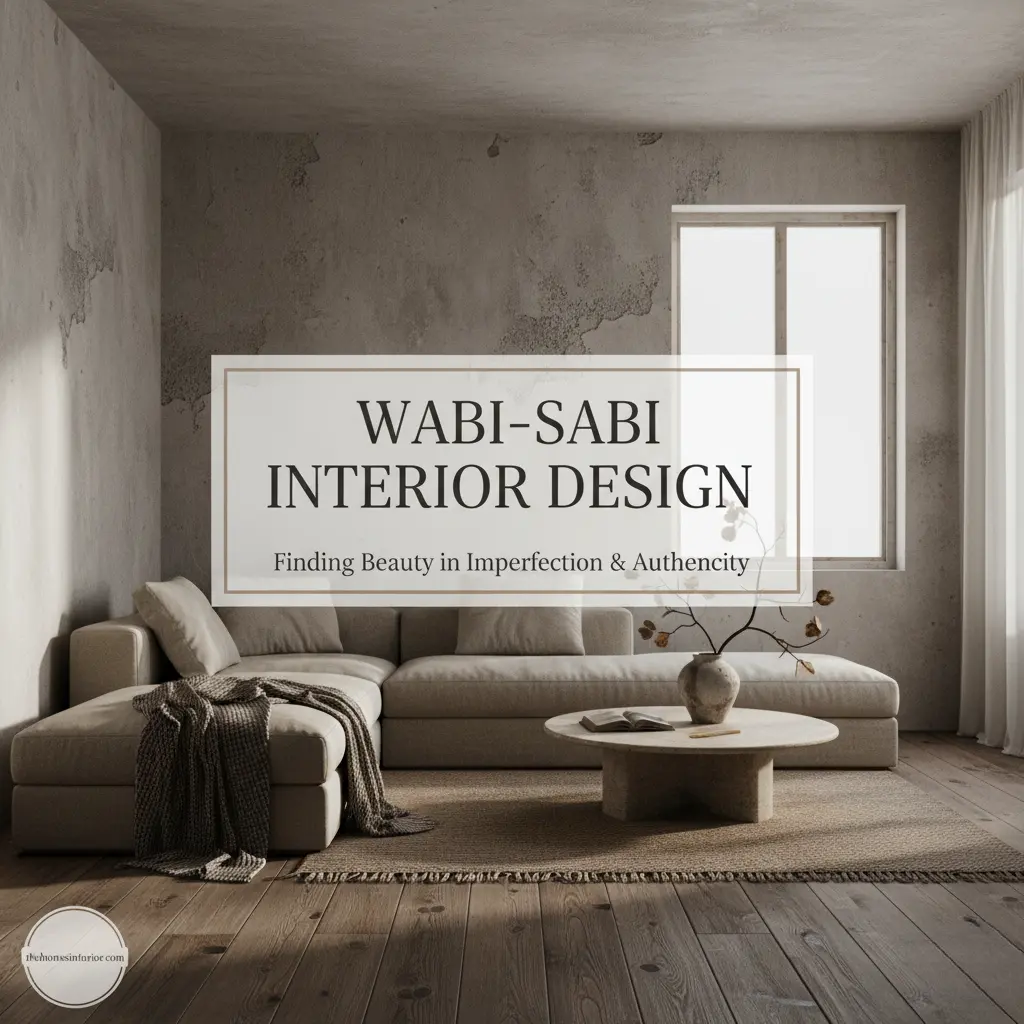
Imagine walking into a room that feels like a deep exhale. The walls are soft and muted, the furniture worn but welcoming, and the decor tells stories rather than screams trends. That’s the quiet magic of wabi-sabi, a Japanese design philosophy rooted in imperfection, impermanence, and authenticity
In today’s world of glossy finishes and curated perfection, Wabi-Sabi Interior Design offers a soulful counterbalance. It’s not just a design style, it’s a philosophy that sees your home as a living, breathing reflection of your life.
What Is Wabi-Sabi Interior Design?
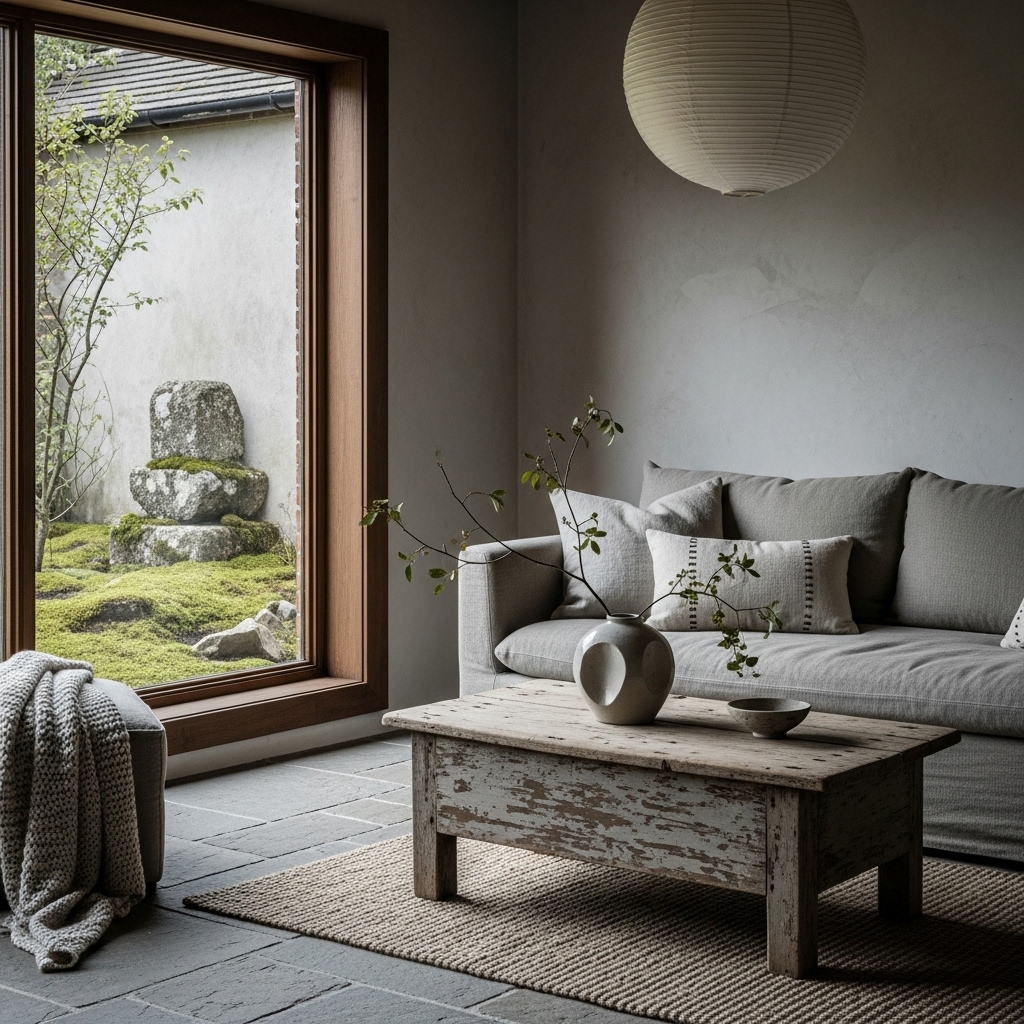
Rooted in Zen Buddhism, wabi-sabi celebrates the beauty of things that are imperfect, incomplete, and transient. It’s the crack in a ceramic bowl, the patina on a brass lamp, the asymmetry of a handmade vase. These aren’t flaws, they’re features that define wabi-sabi interior design. Wabi-sabi invites us to slow down, appreciate the natural aging of materials, and find elegance in simplicity.
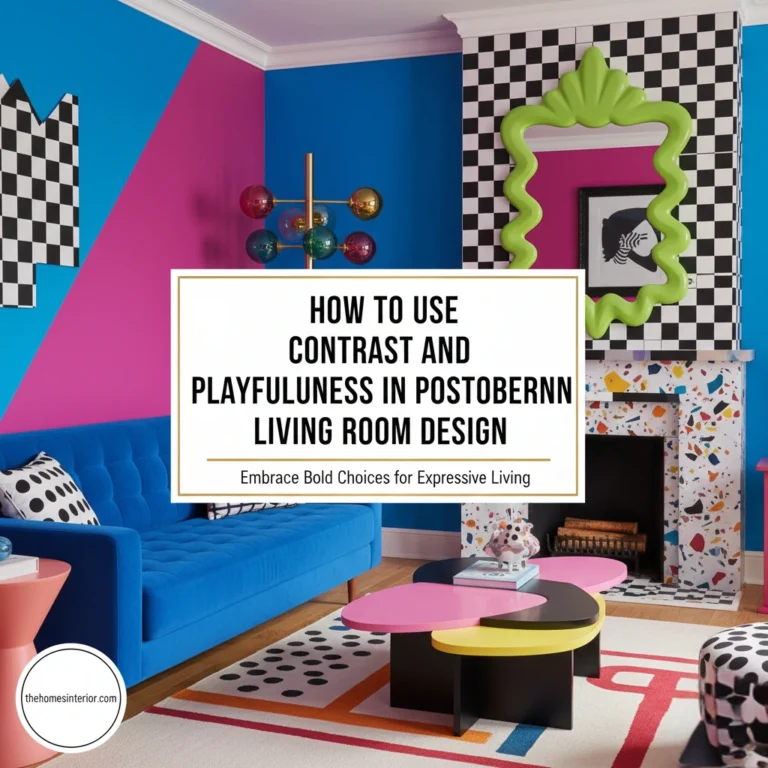
While minimalism strips away excess, and wabi-sabi embraces imperfection, maximalist interior design celebrates abundance, layering bold colors, eclectic patterns, and expressive decor. Each philosophy offers a distinct lens whether you seek serenity or stimulation. It’s about creating spaces that feel lived-in, not showroom-ready. Think raw wood, linen fabrics, soft lighting, and meaningful objects whether vintage finds or cherished family heirlooms.
Bringing Wabi-Sabi Into Your Modern Home
You don’t need a traditional Japanese house to embrace wabi-sabi. In fact, its principles blend beautifully with modern architecture. The key is to soften the edges, strip away excess, and let your space breathe.
Start by decluttering not to achieve perfection, but to make space for intentional design. Keep items that serve a purpose or evoke emotion. A chipped mug from your grandmother or a faded rug from your travels embody the soul of wabi-sabi living.
Next, consider your color palette. Earth tones work best: warm whites, soft greys, muted greens, and clay browns. Avoid high-gloss finishes. Matte textures and chalky paints create a sense of calm and depth.
Materials matter. Replace synthetic surfaces with natural ones. Linen curtains, reclaimed wood furniture, stone countertops, and handmade ceramics all bring tactile richness to your space. Even a single piece like a hand-thrown vase or a weathered bench can transform the mood of a room.
Lighting should be soft and ambient. Harsh overheads disrupt the serenity. Instead, opt for warm bulbs, paper lanterns, or candles. Let shadows play across textured walls and uneven surfaces.
Plants are another way to invite imperfection. Choose asymmetrical or wild-looking greenery. Let leaves fall naturally. Use clay pots or stone planters. The goal isn’t manicured beauty , it’s organic presence.
Designer’s Insight: Imperfection Is the Point
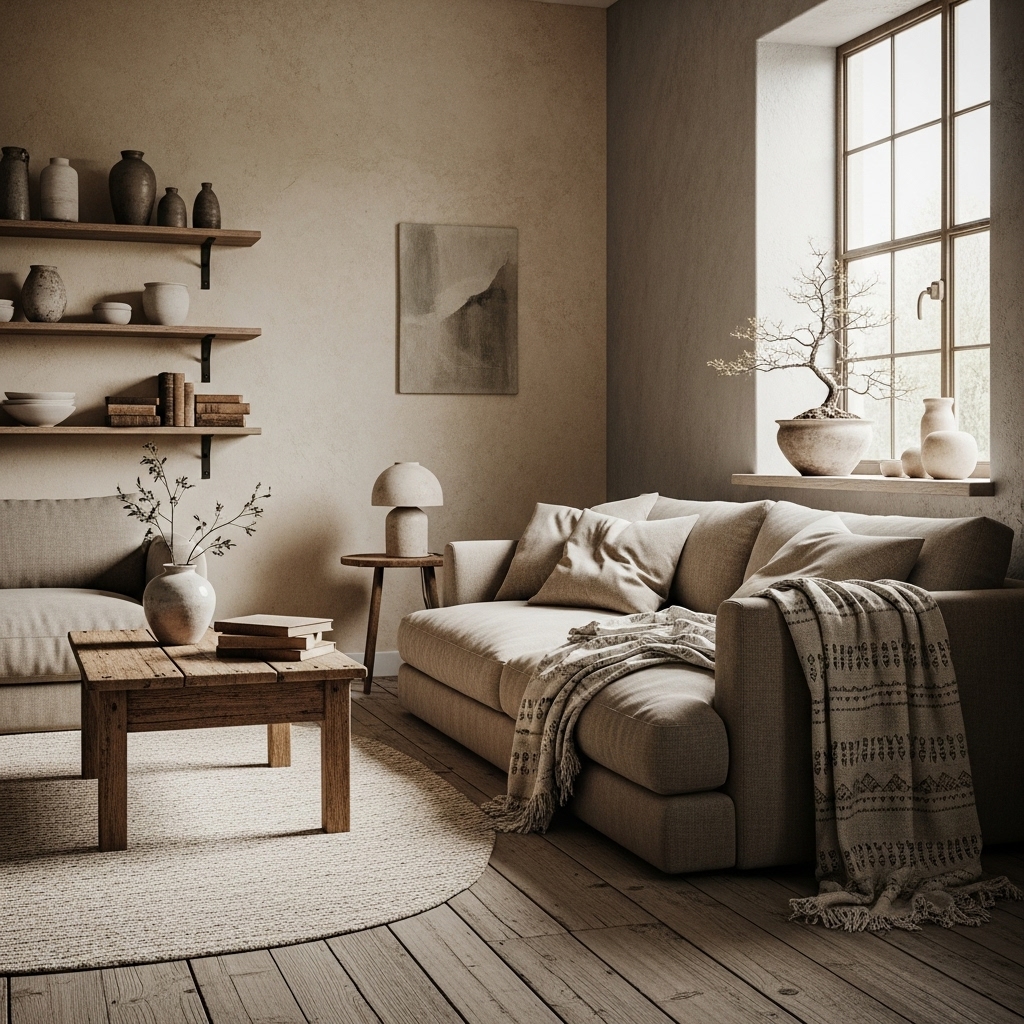
One of my favorite wabi-sabi transformations involved a client who had just finished renovating her kitchen. Everything was sleek and modern, but it felt cold. We introduced a reclaimed wood island, swapped out metal stools for woven ones, and added a handmade ceramic backsplash. The space instantly felt warmer, more grounded like a place where stories could unfold.
Wabi-sabi isn’t about abandoning style. It’s about layering meaning into your design choices. It’s the difference between a house and a home.
Avoiding Common Missteps
It’s easy to misinterpret wabi-sabi as messy or unfinished. But intentionality is key. Don’t confuse clutter with character. Every item should serve a purpose whether functional or emotional.
Also, resist the urge to over-style. Wabi-sabi thrives in restraint. Leave some surfaces bare. Let the space breathe. And avoid mixing too many design styles. Cohesion is essential, even in imperfection.
Frequently Asked Questions
Can wabi-sabi work in small spaces?
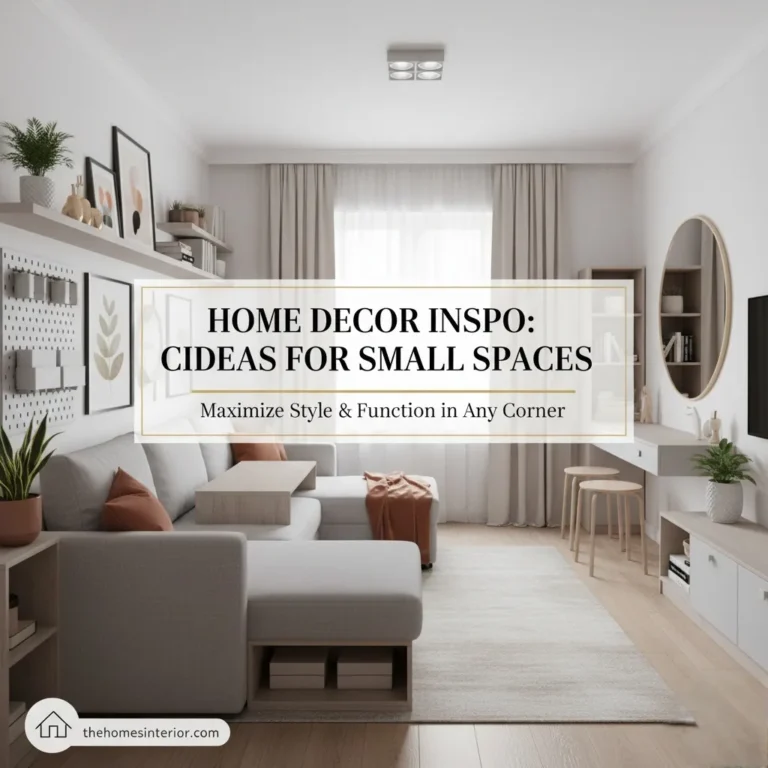
Absolutely. In fact, it’s ideal for small homes or apartments. By focusing on fewer, meaningful pieces and soft textures, you create a sense of calm and spaciousness.
Is wabi-sabi expensive to implement?
Not at all. You can start with thrifted items, DIY projects, or simply rearranging what you already own. It’s more about mindset than money.
How do I balance wabi-sabi with modern design?
Use modern architecture as a canvas, then layer in natural materials, vintage accents, and handmade decor. The contrast creates harmony.
What if my home is brand new?
Introduce age and texture through reclaimed wood, vintage furniture, or handmade objects. Even in a new build, you can create a sense of history.
Your Home, Your Story
Wabi-sabi invites you to see your home not as a showroom, but as a reflection of your journey. It’s about embracing the cracks, the wear, the stories embedded in every object. When you design with wabi-sabi in mind, you’re not just decorating , you’re curating a life.
So take a breath. Look around. What in your home feels real, lived-in, loved? Start there.
And if you’re ready to explore this philosophy with expert guidance, our design team is here to help. We specialize in blending modern design with timeless principles like wabi-sabi , creating homes that feel as good as they look.
What’s one imperfect item in your home that you love? Share your story in the comments , we’d love to hear how wabi-sabi lives in your space.