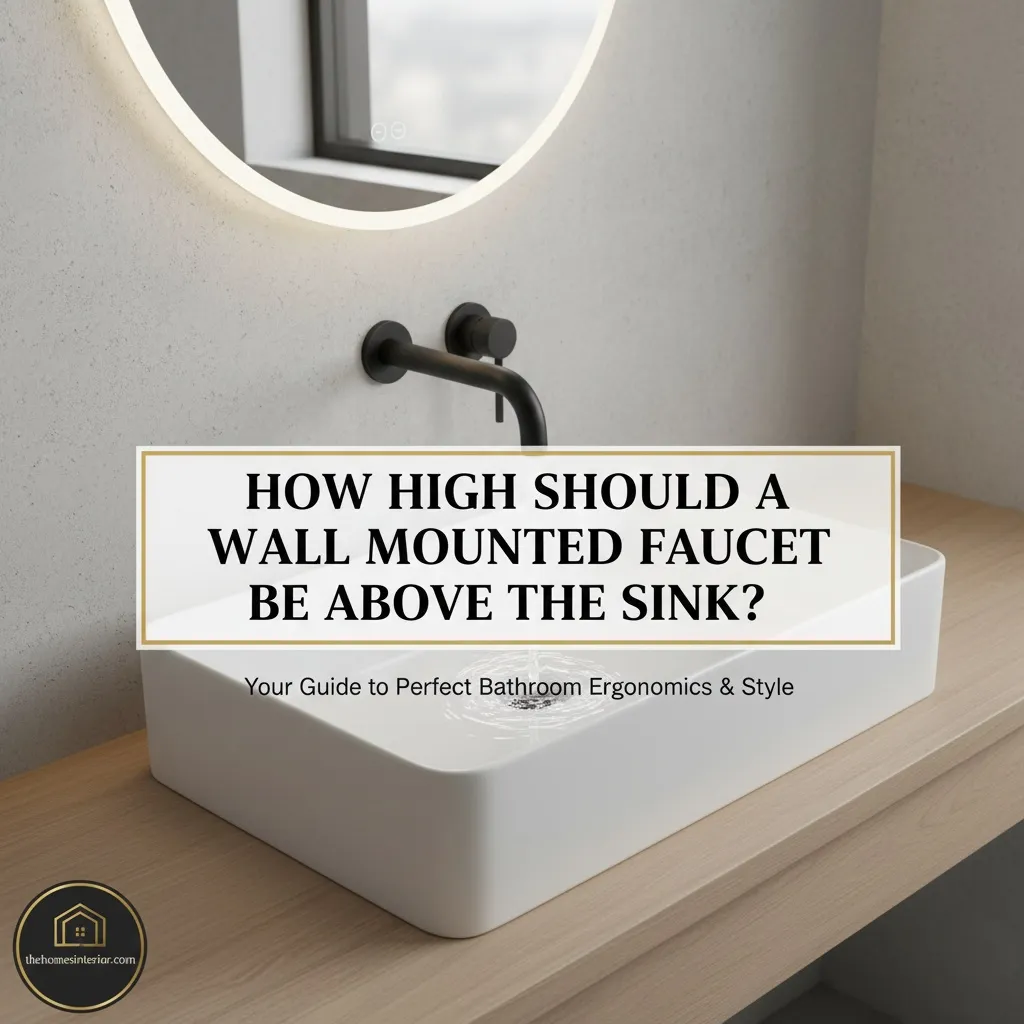
You’ve probably admired those sleek, spa-like bathrooms or chef-inspired kitchens where the faucet seems to float effortlessly above the sink. Wall-mounted faucets are loved for their clean, minimalist design that saves counter space and pairs perfectly with vessel sinks or floating vanities. But the one detail that often leaves homeowners guessing is: how high should a wall mounted faucet be above the sink for perfect form and function?
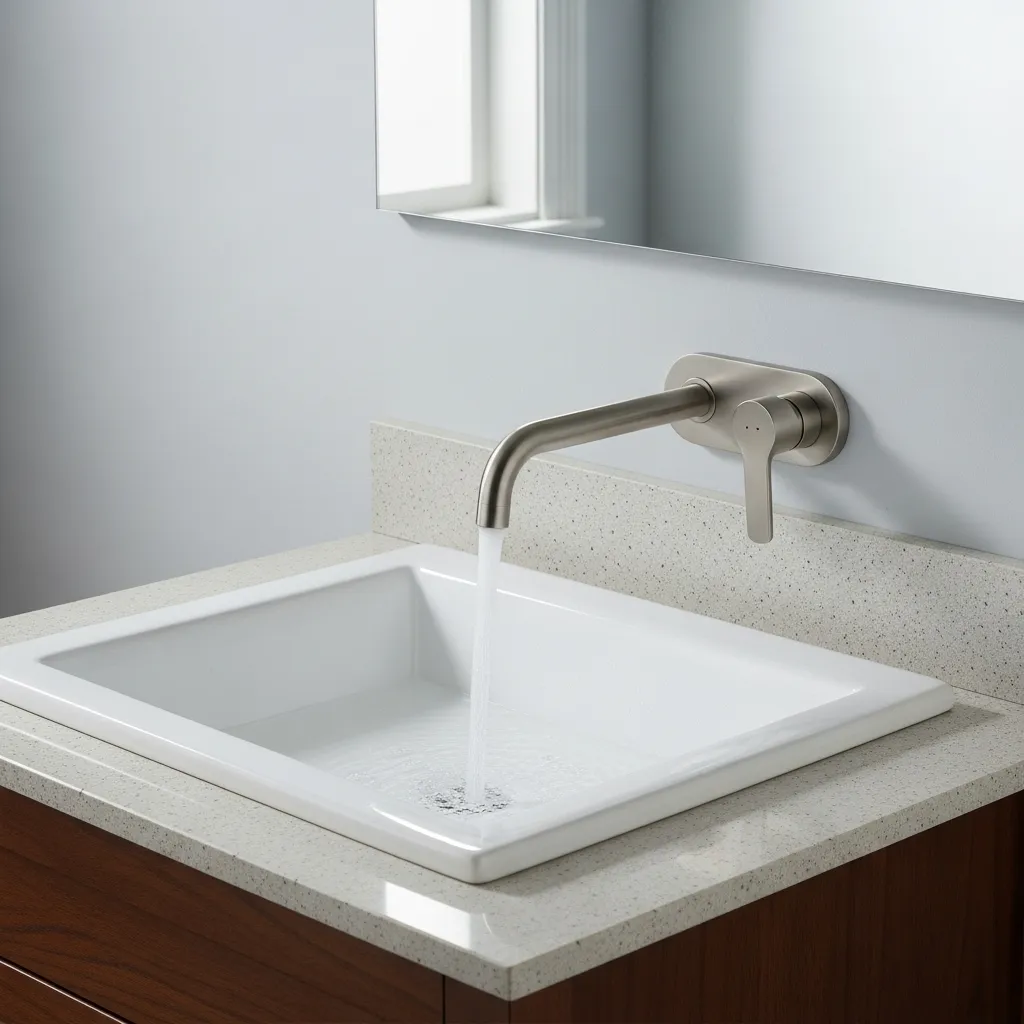
Get it wrong, and you risk endless splashing, uncomfortable hand positioning, or even water damage to your walls. Get it right, and you’ll have a space that feels both practical and luxurious. The ideal faucet height usually falls between 6 to 8 inches above the sink rim, but it can vary depending on sink depth, faucet design, and personal comfort. Whether you’re planning a bathroom remodel or a kitchen upgrade, understanding faucet placement is the key to a flawless, stylish installation that blends beauty and performance.
Standard Faucet Height Guidelines
The ideal height for a wall-mounted faucet depends on the sink type, faucet design, and user comfort. While there’s no one-size-fits-all number, most professionals recommend placing the faucet 6 to 8 inches above the sink rim. This range allows enough clearance for handwashing, dish rinsing, or filling containers without excessive splashback.
For vessel sinks, which sit above the countertop, you may need to mount the faucet higher, typically 10 to 12 inches above the sink rim. The goal is to ensure the water stream hits the center of the basin without bouncing off the sides.
Designer’s Note: Always measure from the sink rim, not the countertop. And if you’re working with a deep basin or tall faucet spout, test the water arc before final installation.
What are the Factors That Influence Faucet Placement
Getting the height right isn’t just about aesthetics; it’s about functionality, ergonomics, and long-term durability. Let’s break down the key considerations.
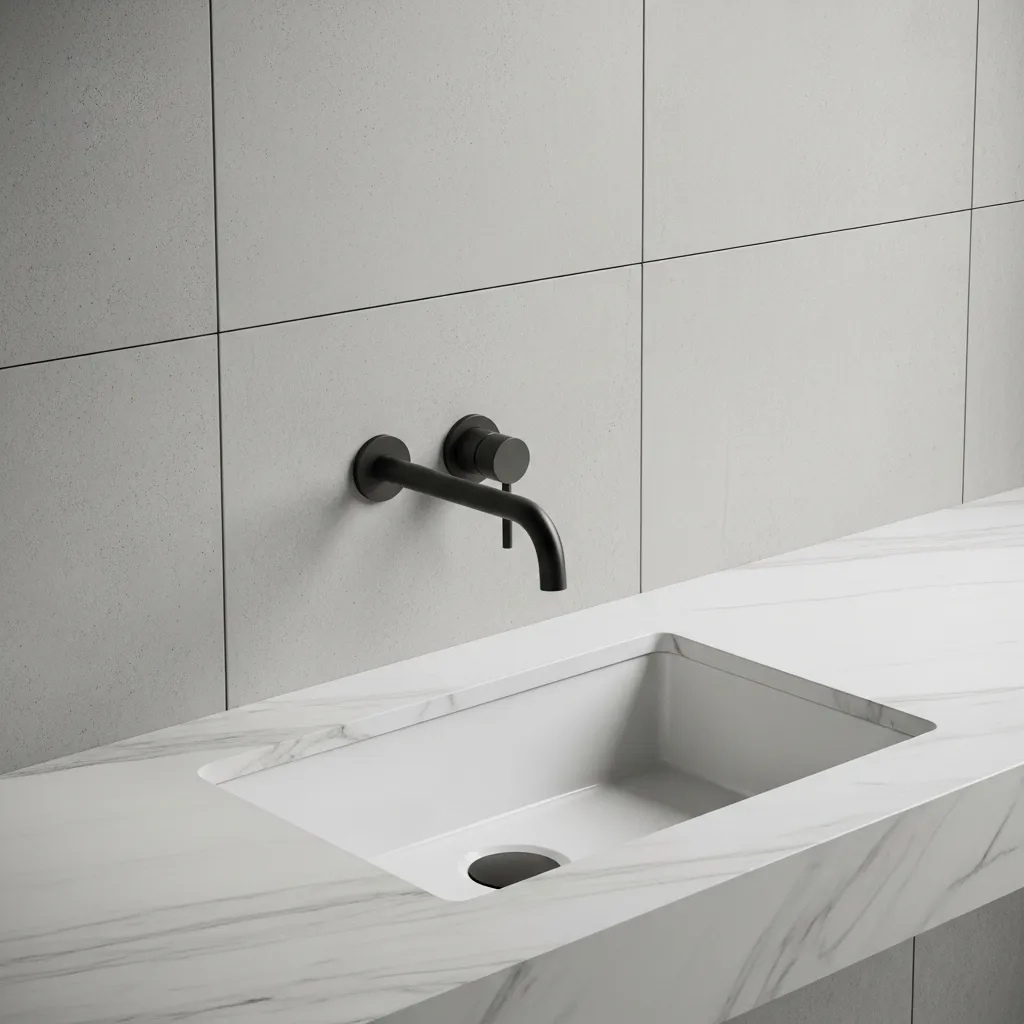
Sink Depth and Shape
Deeper sinks require higher faucet placement to prevent knuckle-bumping and awkward angles. Shallow sinks, on the other hand, may need lower faucet positioning to reduce splash. Round or sloped basins can also affect where the water lands, so always test before finalizing.
Faucet Design and Reach
Wall-mounted faucets come in various spout lengths. A longer reach may allow for slightly higher placement, while shorter spouts need to be closer to the sink to avoid water missing the basin. Consider that the faucet’s arc and flow rate both impact splash control.
User Comfort and Accessibility
Think about who will use the sink most often. For family bathrooms, ensure children can reach the faucet comfortably. In kitchens, where tasks vary, ergonomic placement is key. ADA guidelines suggest accessible faucet controls and placement that doesn’t require stretching or bending.
Countertop and Cabinet Height
If your sink is integrated into a tall kitchen island, faucet placement becomes even more critical. Higher counters may require adjusting faucet height to maintain comfort and usability. Always factor in the total vertical distance from the floor to the faucet spout.
Comparing wall mounted faucet be above the sink to Deck-Mounted Options
While wall-mounted faucets offer a sleek, space-saving profile, deck-mounted faucets remain popular for their ease of installation and accessibility. Wall-mounted designs require precise plumbing and height calibration, but they free up counter space and pair beautifully with vessel sinks.
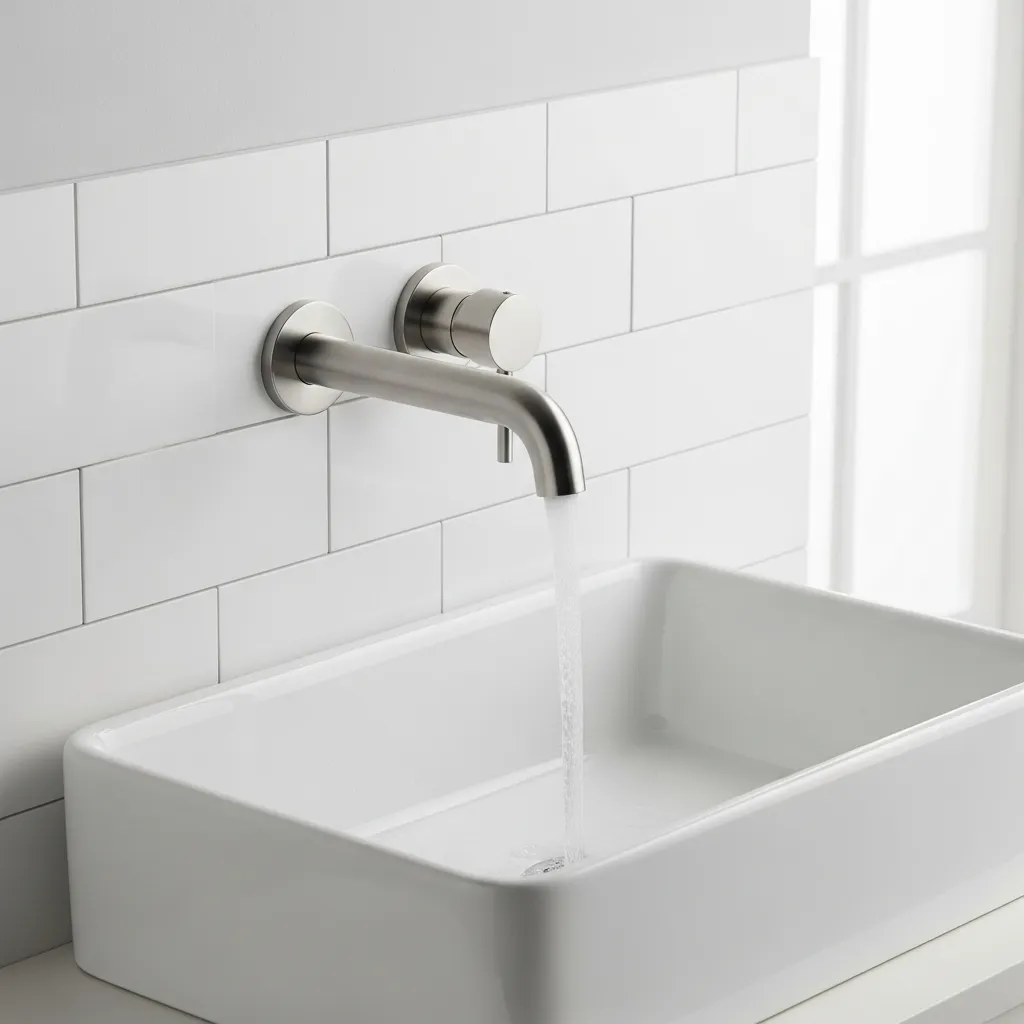
Deck-mounted faucets, on the other hand, are ideal for traditional undermount sinks and offer simpler maintenance. Understanding the pros and cons of each helps homeowners choose the right fit for their layout, style, and budget, especially when working with custom cabinetry or tall kitchen islands.
Installation Tips for a Seamless Setup
Proper faucet height starts with smart planning. Here’s how to ensure your wall-mounted faucet works beautifully with your sink setup.
1. Measure Twice, Mount Once
Before any plumbing work begins, carefully measure the sink’s height, depth, and position. Use painter’s tape to mark potential faucet locations and simulate water flow with a mock stream. This step helps prevent costly adjustments and ensures ergonomic, splash-free faucet placement.
2. Align with the Sink Center
Always center the faucet over the sink basin, not the countertop. This alignment ensures water flows directly into the bowl, minimizing splash and improving usability. For double sinks, consider wider spouts or dual faucets to maintain balance and functional reach across both basins.
3. Account for Splash Radius
Evaluate the faucet’s flow angle and water pressure before final installation. If water hits the sink wall or splashes onto the counter, adjust the height or spout angle. Proper testing ensures a clean, controlled stream that enhances both comfort and cleanliness.
4. Coordinate with Backsplash and Tile
Wall-mounted faucets often sit near decorative tile or backsplashes. Ensure placement doesn’t disrupt grout lines or clash with tile patterns. A well-positioned faucet complements the wall design, creating visual harmony and a polished, intentional look that elevates the entire sink area.
How Wall-Mounted Faucets Impact Overall Bathroom or Kitchen Design
Faucet placement isn’t just a technical decision; it influences the entire aesthetic of your space. A well-positioned wall-mounted faucet can create symmetry with mirrors, lighting, and tile lines. It also affects how accessories like soap dispensers, towel rings, or even artwork are arranged.
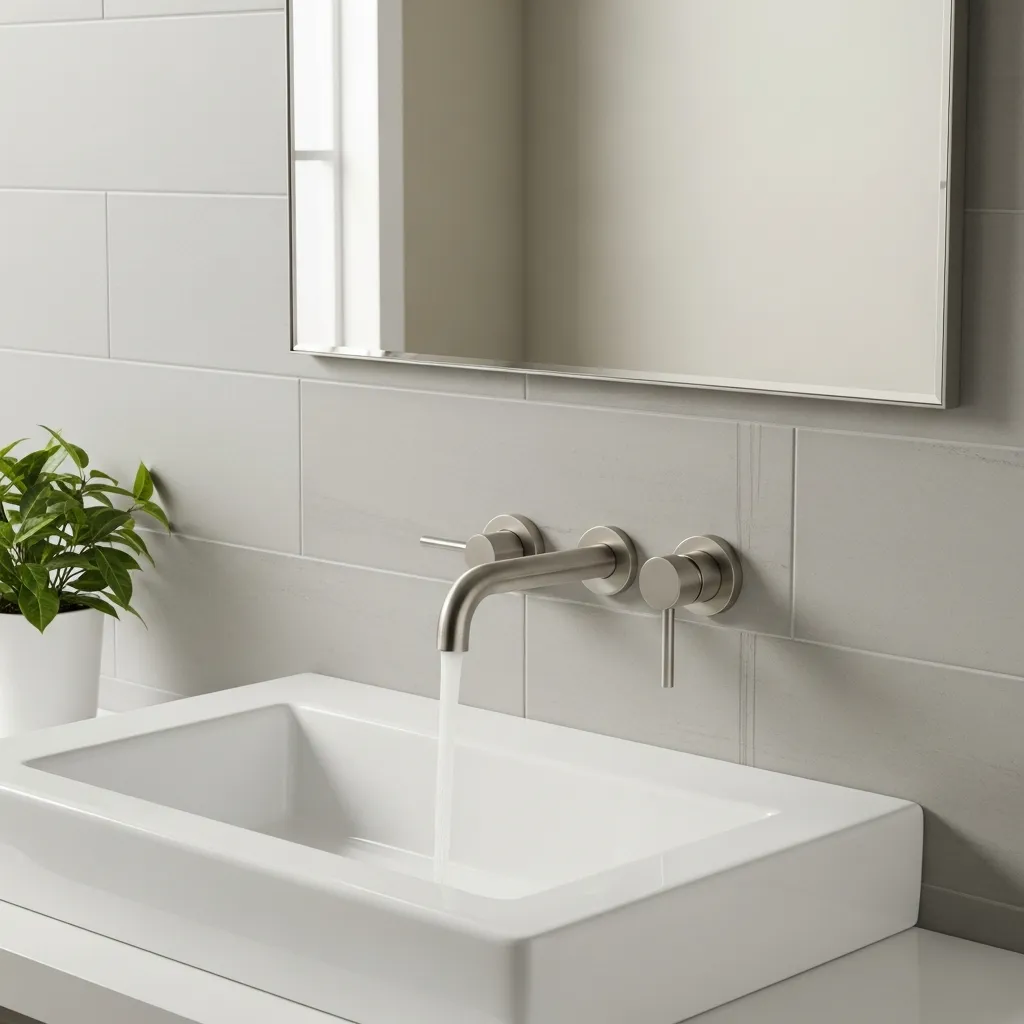
In kitchens, especially those with tall kitchen islands, faucet height plays a role in visual balance and workflow. When integrated thoughtfully, this small detail becomes a design anchor that elevates the room’s sophistication and usability.
Frequently Asked Questions
Can I install a wall-mounted faucet with any sink?
Not all sinks are compatible. Vessel sinks and undermount basins work best. Drop-in sinks may require custom plumbing adjustments.
What if my faucet is too high or too low?
If it’s too high, you’ll get splash and poor control. Too low, and it may feel cramped. Adjusting after installation can be costly, so test thoroughly before mounting.
Do wall-mounted faucets work in kitchens?
Absolutely. They’re especially popular in minimalist or industrial kitchens. Just ensure the faucet reach and height accommodate tasks like filling pots or rinsing produce.
How do tall kitchen islands affect faucet placement?
Tall kitchen islands raise the countertop height, which can make standard faucet placement feel awkward. Adjust the faucet height accordingly to maintain ergonomic comfort and visual balance.
Precision Meets Elegance
Wall-mounted faucets are more than a design statement; they’re a functional upgrade that can transform your space. But like any great design element, they require precision. By understanding how high a wall-mounted faucet should be above the sink, you ensure comfort, usability, and long-term satisfaction.
Whether you’re styling a spa-like bathroom or installing a faucet over a tall kitchen island, thoughtful placement makes all the difference. Measure carefully, test thoroughly, and trust your instincts. The result? A space that feels custom, intentional, and beautifully yours.