Our journey into wallpaper in interior design with a single accent wall.
My clients, a young couple renovating their first home, were hesitant. They wondered if wallpaper was still relevant in modern interior design. But once we installed a bold botanical print in their dining room, everything changed. That wall became the soul of the space: expressive, warm, and unforgettable. The transformation brought joy and confirmed wallpaper’s impact in home design.
Wallpaper is no longer your grandmother’s floral backdrop. It’s a powerful design tool that can elevate a room from bland to breathtaking. Whether you’re craving drama, texture, or subtle elegance, wallpaper offers endless possibilities.
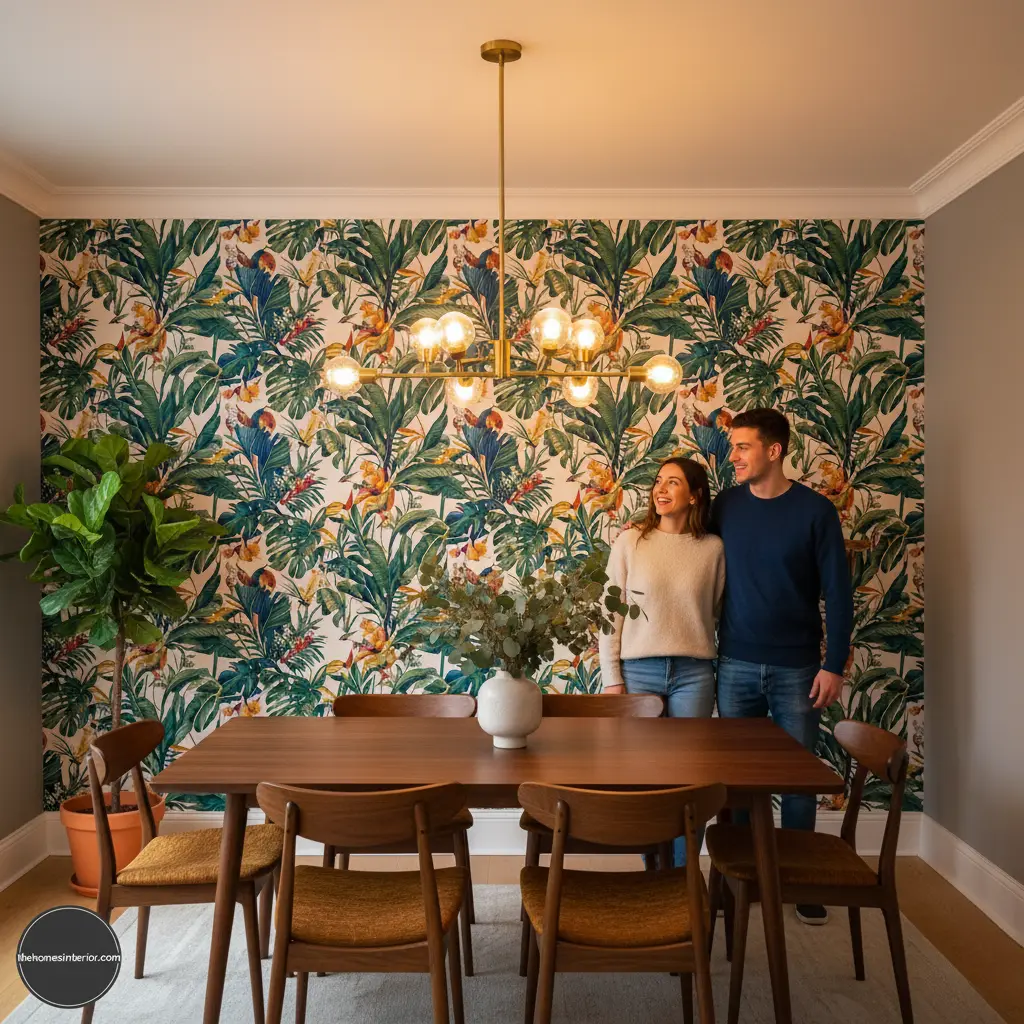
Getting Started: What You’ll Need
Before diving into the design process, it’s important to gather the right tools. Depending on the type of wallpaper, whether it’s peel-and-stick, pre-pasted, or traditional, you’ll need a few essentials. These include:
- Wallpaper (pre-pasted, peel-and-stick, or traditional)
- Wallpaper adhesive (if not pre-pasted)
- Smoothing tool or wallpaper brush
- Utility knife or sharp blade
- Measuring tape
- Level
- Sponge and bucket of clean water
- Drop cloth or protective floor covering
If your wallpaper isn’t pre-pasted, you’ll also need adhesive. Preparing your space with a drop cloth and removing outlet covers will make the process smoother.
Step-by-Step: Using Wallpaper Like a Pro
Step 1: Choose the Right Wallpaper
Different types of wallpaper serve different interior design needs. Vinyl wallpaper is ideal for high-moisture areas like bathrooms, while grasscloth or fabric wallpaper adds texture and luxury to living spaces. Peel-and-stick options are perfect for renters or DIY beginners. Always order a sample first; lighting and texture can dramatically change how a pattern looks in your space.
Step 2: Prep Your Walls
Clean, smooth walls are the foundation of a flawless finish. Begin by removing nails, hooks, and outlet covers. Fill any holes and sand rough patches until the surface is even. Wipe down the wall with a damp sponge to remove dust. If your wall is freshly painted, wait at least three to four weeks before applying wallpaper to ensure proper adhesion.
Step 3: Measure and Cut
Measure the height of your wall and add a couple of inches for trimming. Use a level to mark a vertical guideline; this ensures your first strip is perfectly straight. If your wallpaper has a repeating pattern, align it carefully before cutting additional strips.
Step 4: Apply the Wallpaper
Wallpaper application varies by type: pre-pasted, peel-and-stick, or traditional. Pre-pasted wallpaper requires activation with water, traditional wallpaper needs adhesive, and peel-and-stick wallpaper is applied directly. Start from the top and smooth downward, working out air bubbles as you go. Precision is key; don’t rush this step.
Step 5: Trim and Finish
Once the wallpaper is in place, use a sharp blade to trim excess at the top and bottom. Reattach outlet covers and gently clean any adhesive residue with a damp sponge. Step back and admire your work; you’ve just transformed your space.
Beyond the Walls: Creative Ways to Use Wallpaper
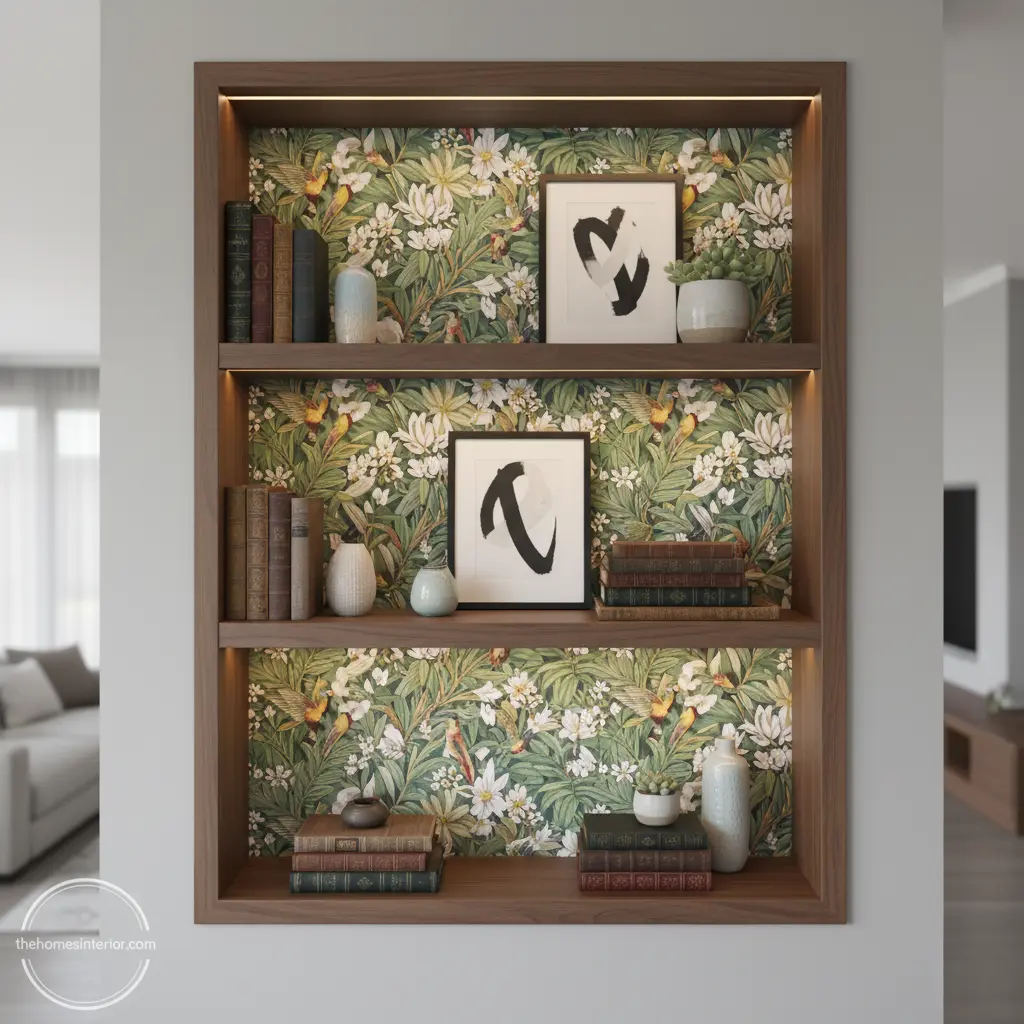
Wallpaper isn’t limited to four walls. It’s a versatile design element that can be used in unexpected and delightful ways.
Accent walls are a classic choice, especially behind beds, sofas, or in entryways. A bold print can create a stunning focal point and set the tone for the entire room. Ceilings are another overlooked canvas; wallpapering a ceiling can make a room feel taller, cozier, or more dramatic depending on the pattern.
Wallpaper furniture makeovers, like lining bookshelves or dressers, add custom flair. Lining the back of bookshelves, dressers, or cabinets with wallpaper adds a custom touch that feels high-end. And don’t forget small spaces, powder rooms, closets, and reading nooks are perfect for playful or luxurious wallpaper that might feel overwhelming in larger areas.
Designer’s Tip
Use wallpaper to tell a story. A vintage map in a study, a jungle print in a nursery, these choices create emotional resonance and make your home feel uniquely yours.
Avoiding Common Mistakes
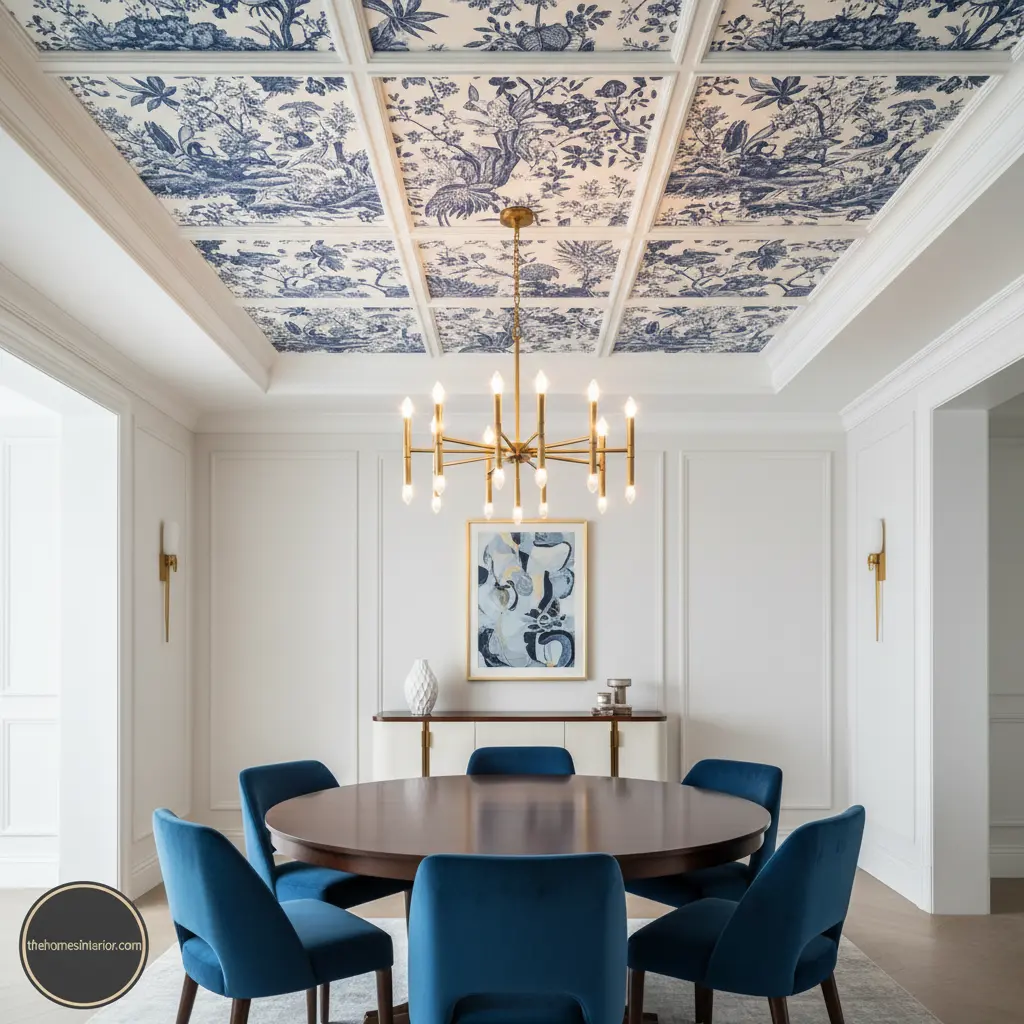
Even experienced DIY wallpaper installers can make common mistakes. Skipping wall prep is one of the most common errors; it leads to peeling and bubbling. Misaligned patterns can ruin the visual flow, and using a dull blade during trimming often results in tearing. Another frequent mistake is underestimating how much wallpaper you’ll need. Always order 10 to 15 percent extra to account for errors and future repairs.
Frequently Asked Questions
What type of wallpaper is best for beginners?
Peel-and-stick wallpaper is ideal. It’s repositionable, mess-free, and doesn’t require paste or water, perfect for first-timers.
Can I wallpaper over textured walls?
It’s not recommended. Texture can cause bubbling and poor adhesion. Smooth the surface first or use a liner paper to create a flat base.
How do I remove wallpaper without damaging the wall?
Use a wallpaper steamer or a solution of warm water and vinegar. Peel gently and clean adhesive residue with a sponge. Patience is key.
Is wallpaper suitable for bathrooms?
Yes, vinyl or moisture-resistant wallpaper works well in bathrooms, especially when paired with proper ventilation. Just avoid paper-based options in high-humidity zones.