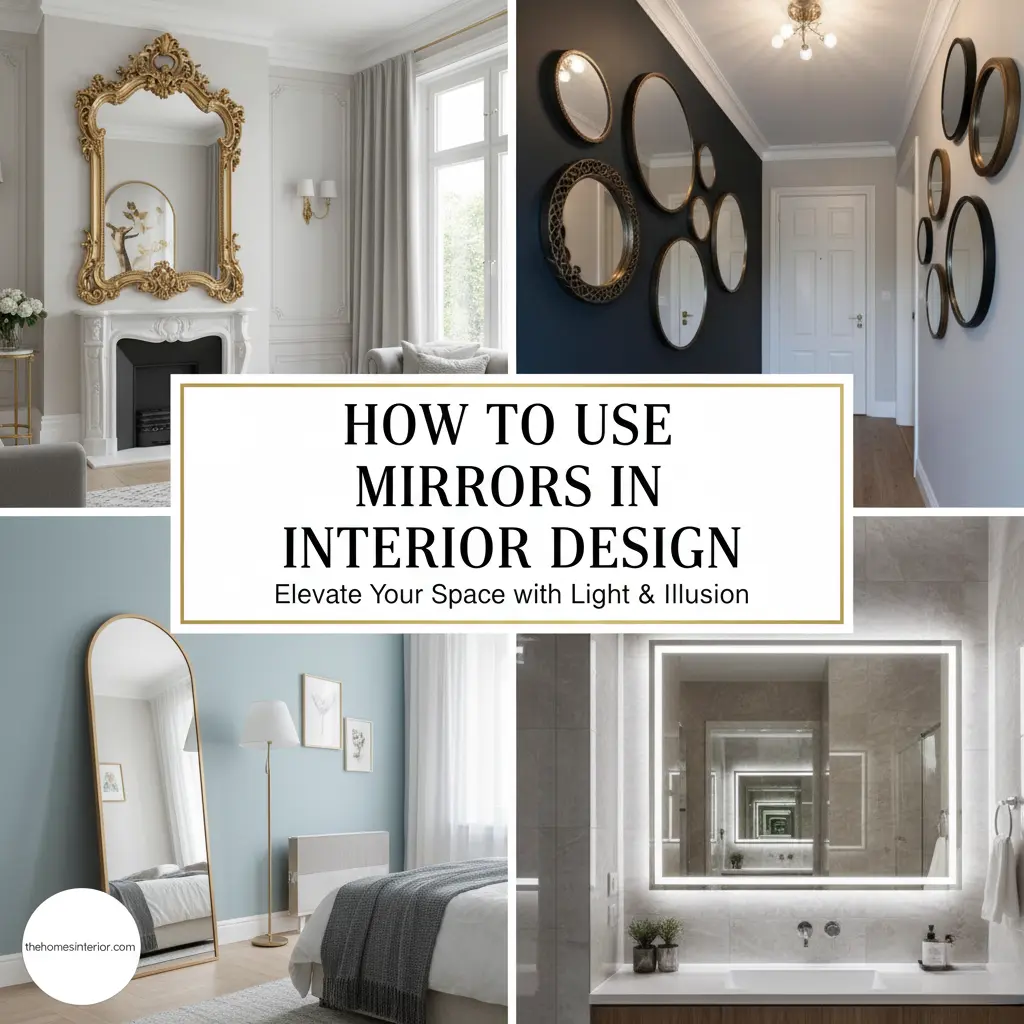
Mirrors are more than decorative accents; they’re strategic design tools that can transform how a room feels and functions. From amplifying natural light to creating the illusion of spaciousness, mirrors in interior design offer a versatile way to elevate any space.
Whether you’re decorating a compact apartment or refreshing a spacious home, mirrors can redefine your interior by enhancing light, depth, and style. With the right placement and design, they become more than accessories, they become architectural assets that add balance and sophistication to your décor.
Why Mirrors Matter in Design
Mirrors play three key roles in interior design: they reflect light, create the illusion of space, and add visual interest. A well-placed mirror can make a narrow hallway feel open, a dark room feel brighter, and a plain wall feel styled.
Think of mirrors as both functional and emotional. They reflect not just your room, but your lifestyle, your taste, and your story.
Popular Mirror Styles
Choosing the right mirror starts with understanding the style that suits your space. Here are a few timeless options:
- Sunburst mirrors: Iconic in mid-century design, they add drama and elegance to entryways or above mantels.
- Frameless mirrors: Clean and modern, perfect for minimalist or contemporary interiors.
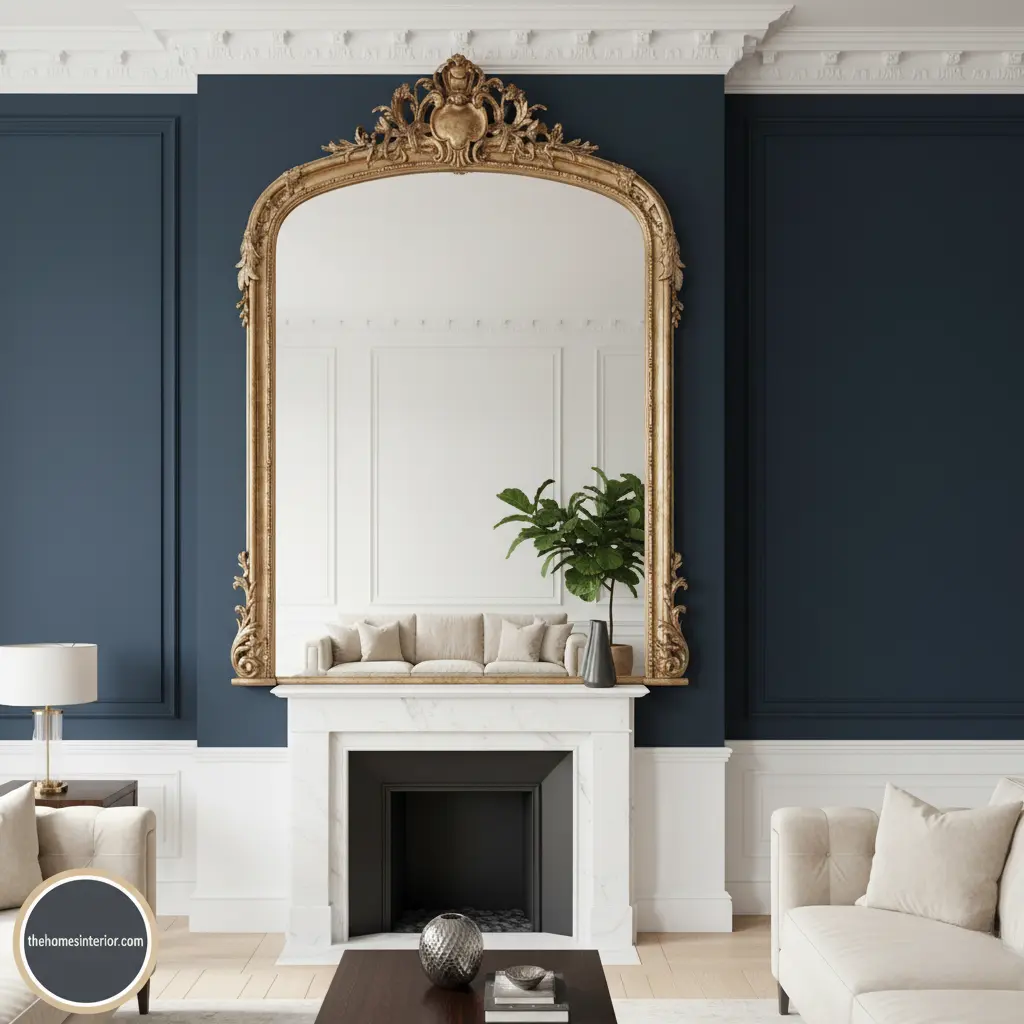
- Antique mirrors: With aged glass and ornate frames, they bring warmth and character to traditional spaces.
- Industrial mirrors: Often framed in black metal, these work well in lofts or modern farmhouse designs.
- Organic shapes: Irregular or asymmetrical mirrors add softness and artistic flair to eclectic rooms.
Choose a style that complements your existing decor and enhances the mood you want to create.
Choosing the Right Mirror
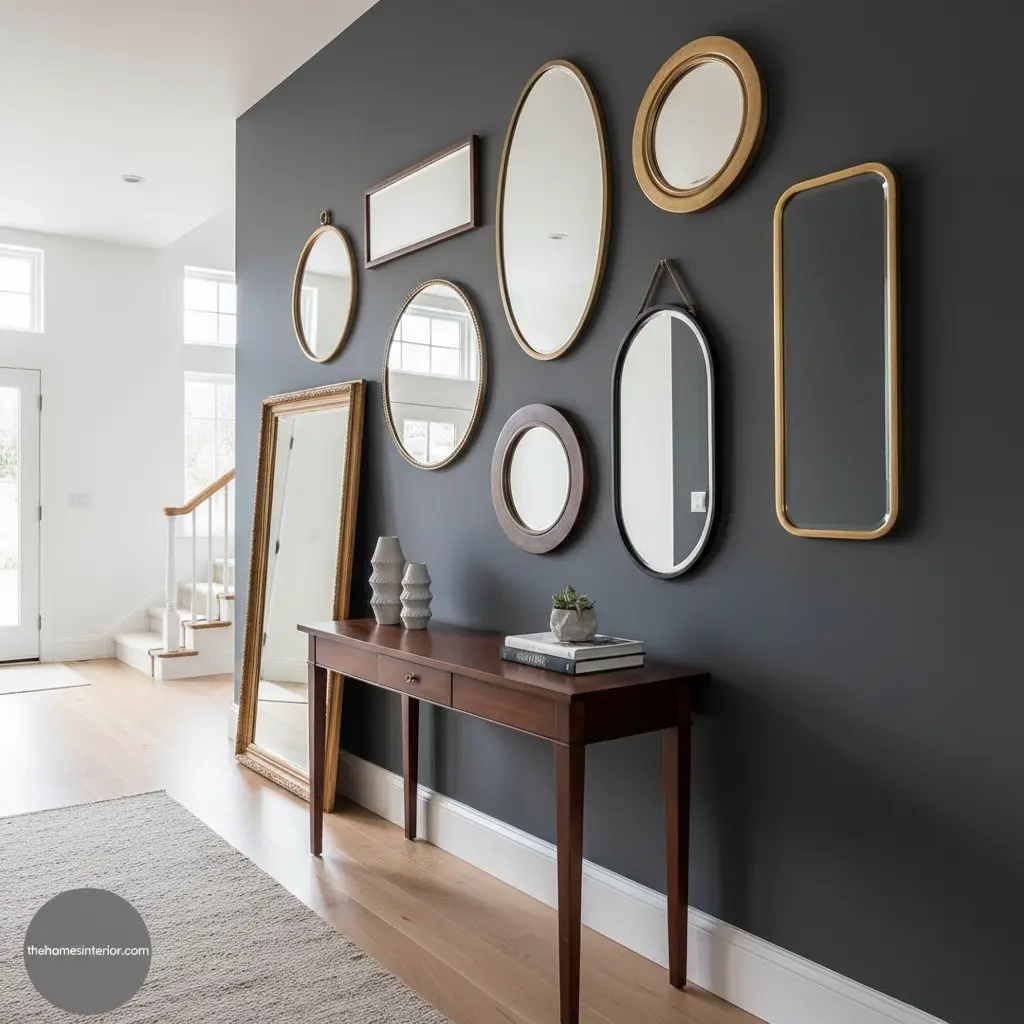
Start with the style and size. If your room is modern, a frameless or metal-edged mirror will blend beautifully. For traditional or vintage spaces, ornate frames in wood or gold add richness. Round mirrors soften a room’s geometry, while rectangular ones add structure.
Size matters too. A mirror that’s too small can feel lost, while one that’s oversized can dominate, in a good way. If you’re unsure, lean toward larger. Bigger mirrors tend to feel more luxurious and make a stronger impact.
Where to Place Mirrors
Placement is everything. The most effective spots are those that reflect something worth seeing, natural light, a beautiful view, or a well-styled vignette.
In living rooms, mirrors above fireplaces or opposite windows work well. In bedrooms, a full-length mirror near the closet adds function and style. Bathrooms benefit from clean-lined mirrors above vanities, while entryways come alive with a mirror paired with a console table.
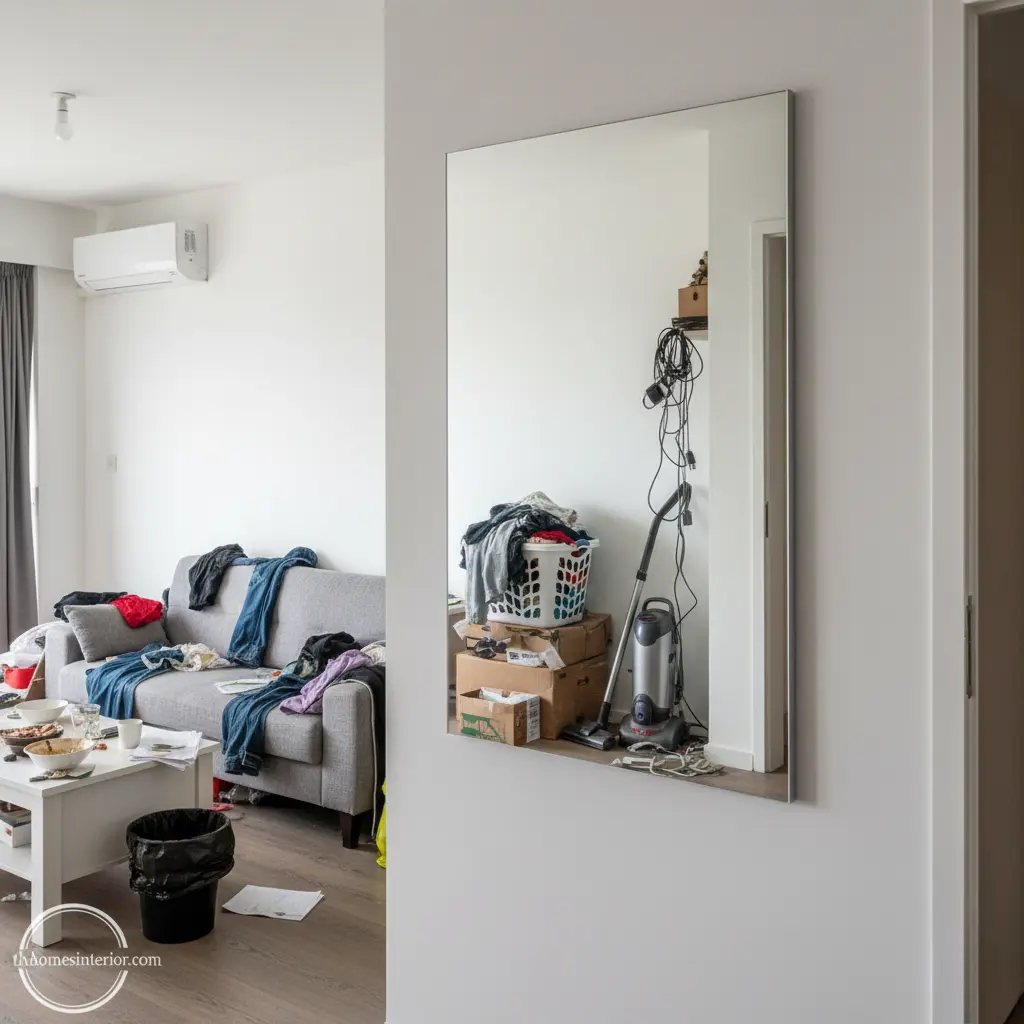
Avoid placing mirrors where they reflect clutter, blank walls, or awkward angles. Since mirrors amplify what they reflect, position them to capture natural light, artwork, or architectural features.
A Real-World Transformation
One of my clients had a dining room that felt flat despite beautiful furniture and lighting. We installed a large mirror on the wall opposite the window, directly across from the chandelier. The result? The room instantly felt brighter, more spacious, and more elegant. Dinner parties became more vibrant, and the mirror became a conversation piece.
This is the power of thoughtful mirror placement; it doesn’t just change how a room looks, it changes how it feels.
Mounting Made Simple
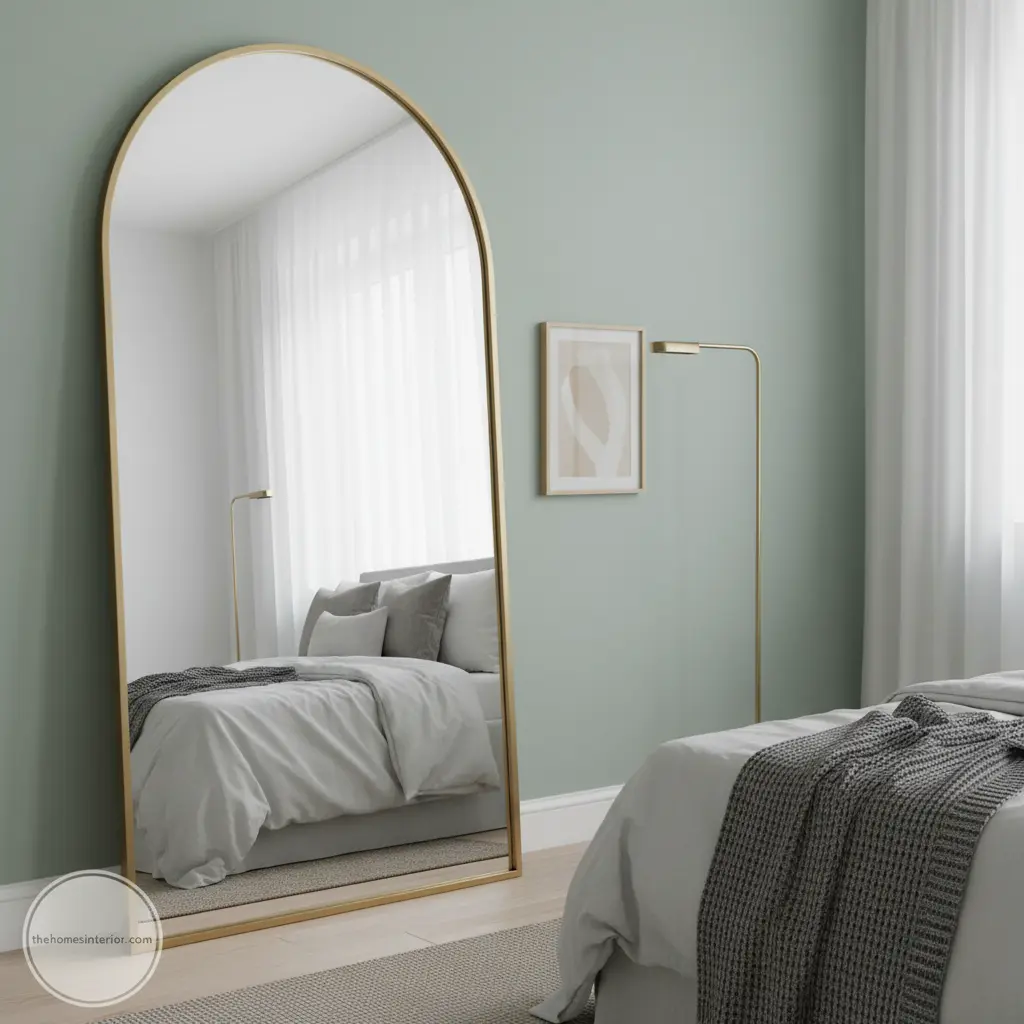
Hanging a mirror doesn’t need to be complicated. Use a level to ensure it’s straight, and secure it with proper anchors if it’s heavy. For renters or temporary setups, leaning a large mirror against the wall can look intentional and stylish.
Safety matters, especially in homes with kids or pets. Always make sure your mirror is stable and secure.
Integrating Mirrors into Your Style
Mirrors should feel like part of your design, not an afterthought. Match the frame to your room’s finishes: brass for warmth, black for contrast, wood for texture. You can layer mirrors with artwork, lighting, or furniture to create depth and cohesion.
In minimalist spaces, a single large mirror can make a bold statement. In eclectic rooms, a mix of small mirrors can add charm and character.
Smart Shopping Tips
When buying mirrors, look for quality materials and construction. Solid wood or metal frames offer durability and style. Frameless mirrors should have polished edges and thick glass to avoid warping.
Avoid plastic frames unless they’re part of a lightweight design. If you’re shopping online, check reviews and look for retailers that offer free returns, especially for large pieces. Seasonal sales around home improvement holidays are great opportunities to save.
Common Mistakes to Avoid
Using mirrors in interior design can be transformative, but only when done with intention. Here are some common pitfalls to watch out for:
1. Overuse and Visual Clutter
While mirrors can open up a space, using too many can create visual noise. A room filled with reflective surfaces may feel disorienting or overly busy, especially if they’re catching movement or light from multiple angles. Instead of layering mirrors on every wall, choose one or two focal points that serve a clear purpose.
2. Poor Placement
A mirror reflects whatever is in front of it, so placement is critical. Avoid positioning mirrors where they reflect clutter, blank walls, toilets, or utility areas. These reflections can unintentionally highlight the least attractive parts of your space. Always ask: What will this mirror reflect? If the answer isn’t something beautiful or intentional, reconsider the location.
3. Wrong Scale or Proportion
A mirror that’s too small for the wall can look awkward and underwhelming. Conversely, a mirror that’s too large for a narrow space may overpower the room. The key is balance. For example, above a console table, the mirror should be roughly two-thirds the width of the furniture below it.
4. Ignoring Frame Style and Finish
The frame of a mirror should complement your room’s design. A mismatched frame, say, a rustic wood mirror in a sleek modern space, can feel jarring. Pay attention to finishes: brass, matte black, chrome, or natural wood can reinforce your design theme when chosen thoughtfully.
Designer’s Tip
One well-placed mirror that reflects light, beauty, or symmetry will always outperform a scattered collection. Think of mirrors as intentional design statements, not just decorative fillers.
Frequently Asked Questions
Can mirrors really make a room look bigger?
Yes. Mirrors reflect space and light, creating the illusion of depth. Place them opposite windows or open areas for best results.
What’s the best mirror for a small room?
Go large. A big mirror adds scale and helps the room feel more open. Frameless or light-framed mirrors work best in tight spaces.
Are mirrored furniture pieces still in style?
They are, but use them sparingly. A mirrored console or nightstand adds glam, but too many can feel overdone.
How do I clean decorative mirrors?
Use a microfiber cloth and ammonia-free glass cleaner. Spray the cloth, not the mirror, to avoid streaks and protect the frame.