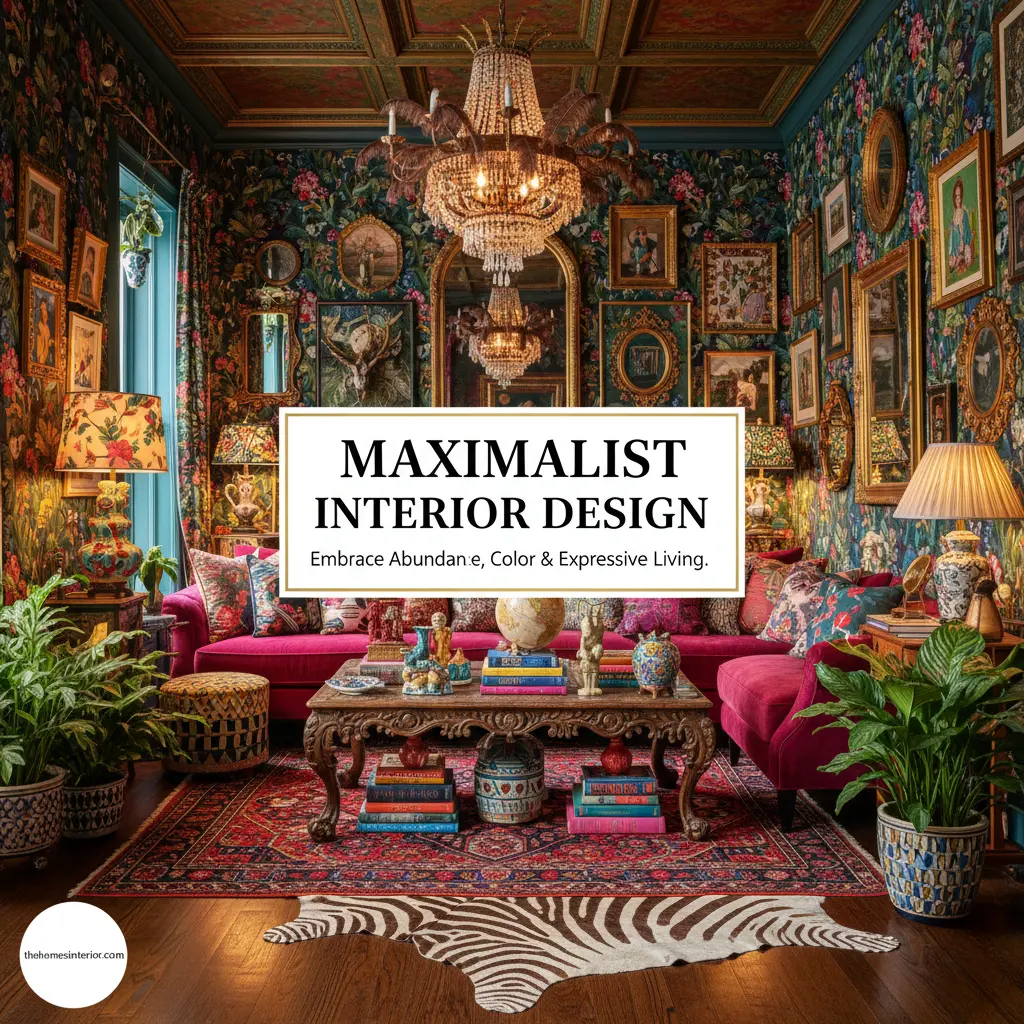
Maximalist interior design is a dynamic style that celebrates abundance, individuality, and expressive living. Unlike minimalism, which focuses on restraint and simplicity, maximalism encourages bold choices, layered textures, vibrant colors, and curated collections that reflect your personality.
This design approach isn’t about clutter or excess. It’s about creating visually rich environments that feel intentional, energized, and deeply personal. Whether you’re drawn to eclectic art, dramatic furniture, or global influences, maximalism offers the freedom to design without limits.
What Is Maximalist Interior Design?
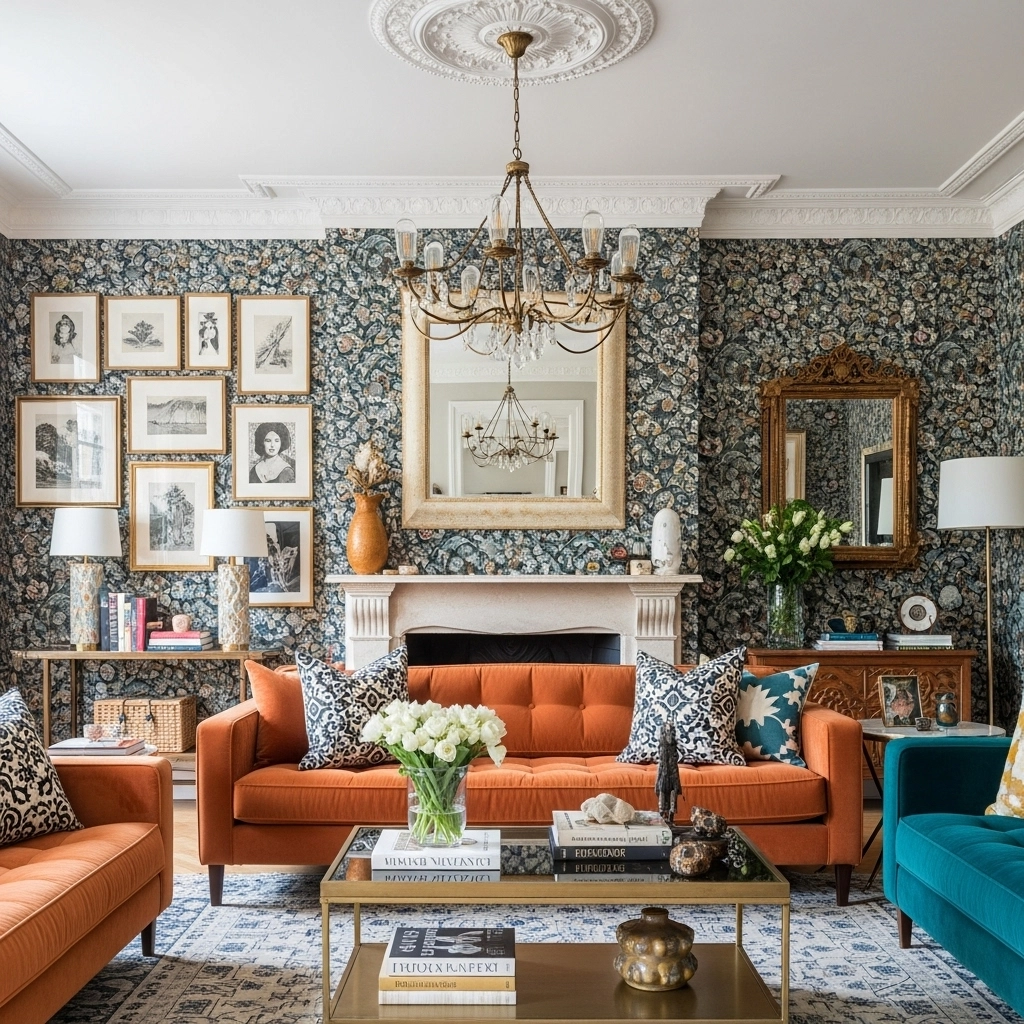
Maximalist interior design is a style that embraces richness, layering, and visual stimulation. It’s the opposite of minimalism, not in chaos, but in intentional abundance. Maximalism invites you to fill your space with things you love: bold colors, diverse patterns, meaningful objects, and curated collections.
It’s not clutter. It’s curated complexity.
This design philosophy is rooted in self-expression. It allows you to mix eras, cultures, and aesthetics in a way that feels personal and vibrant. From gallery walls to velvet sofas, maximalism is about creating a space that tells your story, loudly and unapologetically.
The History and Evolution of Maximalism
Maximalism isn’t new. It has deep roots in historical design movements, from the ornate interiors of Victorian homes to the layered opulence of Baroque and Rococo styles. In the 1960s and 70s, maximalism reemerged through bohemian and eclectic design, celebrating freedom and individuality.
Today’s maximalism is more refined. It blends vintage charm with modern sensibilities, often incorporating global influences, bold art, and unexpected color combinations. This shift has also inspired many in the interior design business to experiment with storytelling-driven spaces that reflect personality and emotion. It’s less about excess for excess’s sake and more about intentional layering and emotional resonance.
Key Characteristics of Maximalist Design
Maximalist interiors are defined by several core elements:
Bold Color Palettes
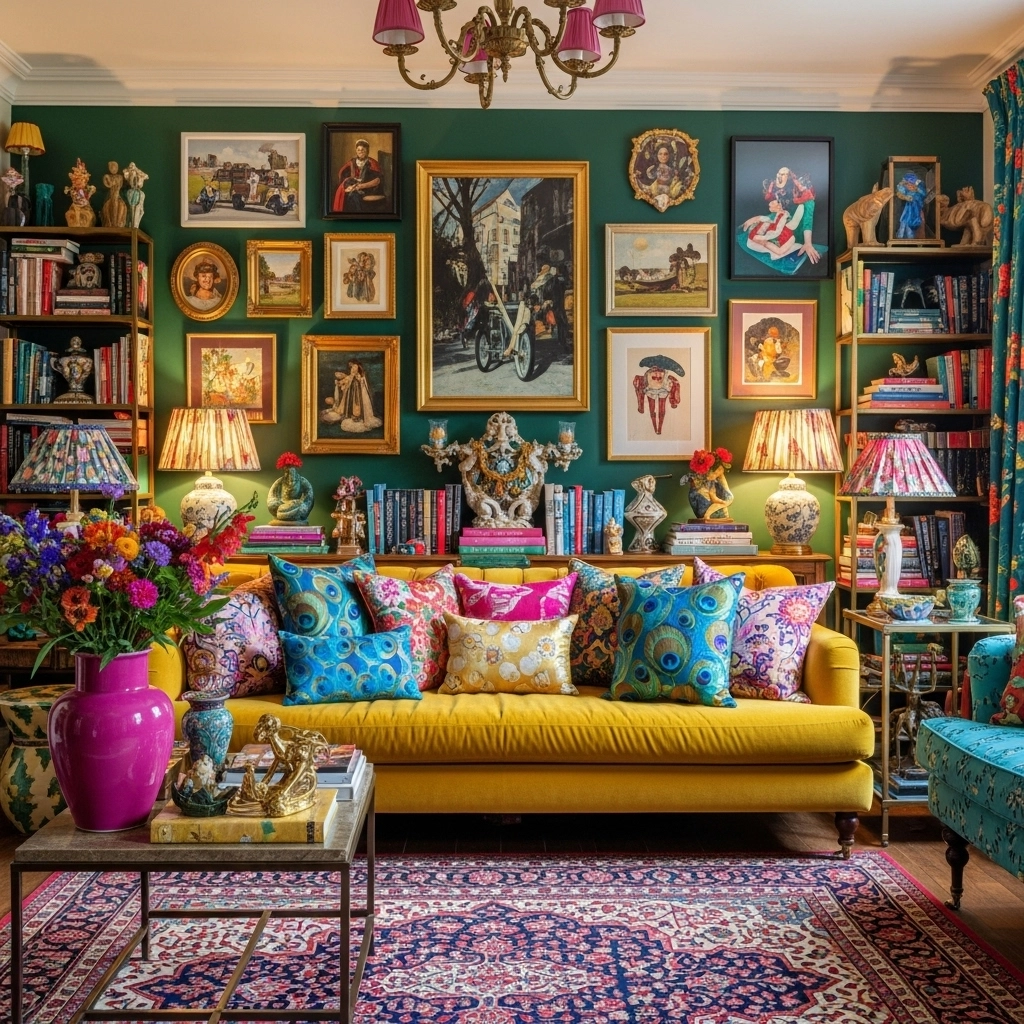
Maximalist interiors embrace rich, saturated colors like emerald, mustard, and fuchsia. These bold hues appear across walls, furniture, and decor, creating vibrant energy and emotional depth that instantly sets the tone for a personalized, expressive space.
Pattern Mixing
Mixing patterns, florals, stripes, geometrics, and animal prints is central to maximalism. The key is balancing scale and color harmony so the combinations feel intentional, layered, and visually exciting without overwhelming the room’s overall composition.
Layered Textures
Maximalist design thrives on tactile richness. Combining velvet, leather, rattan, and silk adds depth and warmth. These textures create visual interest, inviting touch, and enhancing the sensory experience of a space that feels curated and lived-in.
Personal Collections
Maximalism celebrates individuality through displayed collections, books, art, travel mementos, and vintage finds. These personal items tell your story, adding emotional resonance and authenticity while transforming your home into a reflection of your passions and experiences.
Statement Pieces
Every maximalist space benefits from bold focal points. Oversized mirrors, sculptural lighting, or mural walls anchor the room, spark conversation, and reinforce the dramatic, curated aesthetic that defines this expressive and unapologetic design style.
Designer’s Note: Maximalism isn’t about filling every inch. It’s about creating visual interest through thoughtful abundance.
How to Incorporate Maximalism in Your Home
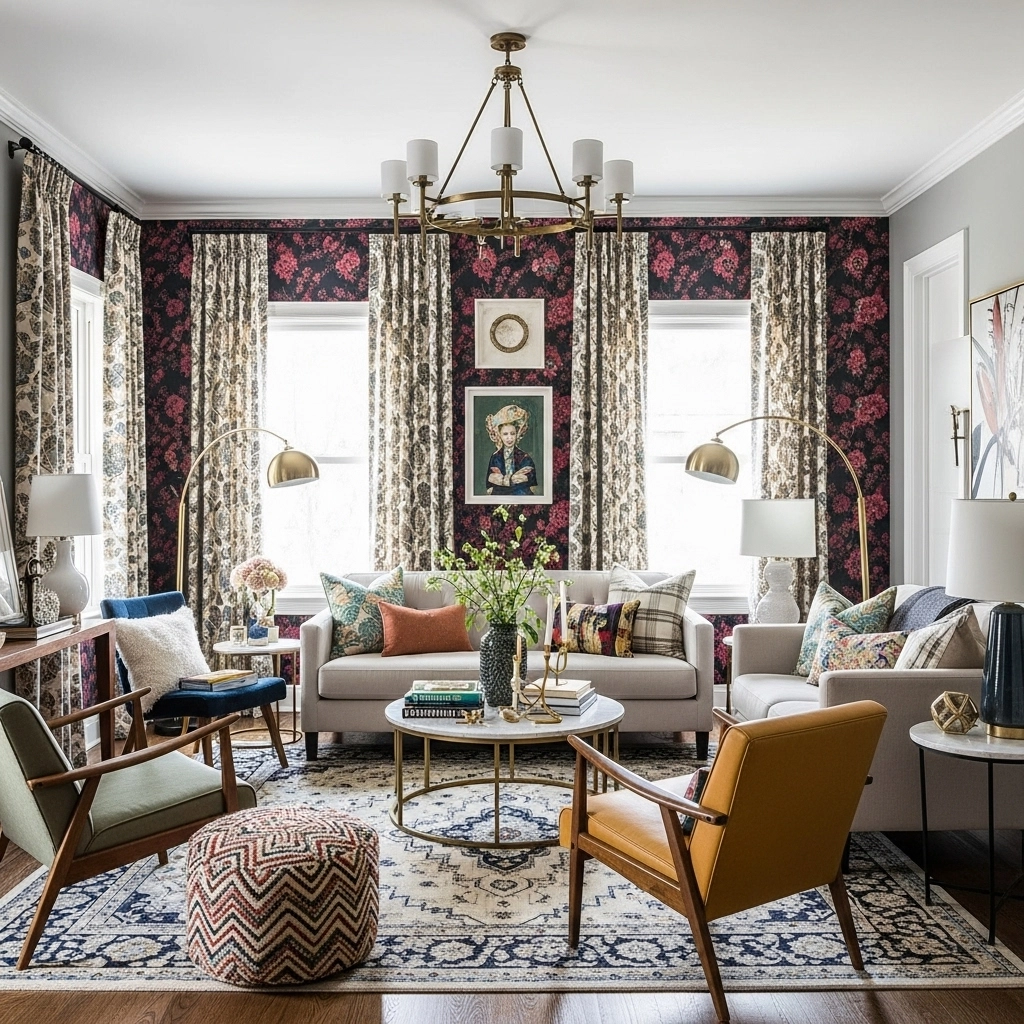
You don’t need to overhaul your entire home to embrace maximalism. Start small and build with intention.
Begin with a single room or zone. Choose a bold wall color or wallpaper that excites you. Add layered textiles, think patterned rugs, throw pillows, and curtains in complementary tones. Introduce artwork that speaks to your personality, and don’t be afraid to mix styles.
Furniture can be eclectic. Pair a mid-century chair with a boho ottoman or a modern table with vintage accessories. The goal is to create contrast and character.
Lighting matters too. Use a mix of floor lamps, sconces, and chandeliers to add drama and dimension. Metallic finishes like brass or chrome can elevate the look.
As you build your space, edit thoughtfully. Maximalism isn’t about clutter; it’s about curated richness. Every item should have a purpose, whether functional or emotional.
Pro Tip: Take photos of your space as you layer. This helps you spot imbalances and refine your composition.
Frequently Asked Questions
Is maximalist design the same as clutter?
No. Maximalism is curated and intentional. While it embraces abundance, it avoids randomness. Every piece should contribute to the overall story and aesthetic.
Can I mix different design styles in maximalism?
Absolutely. Maximalism thrives on mixing styles, modern with vintage, global with local, rustic with glam. The key is to find common threads like color, texture, or theme.
How do I keep a maximalist space from feeling overwhelming?
Use repetition and rhythm. Repeat colors or patterns across the room to create cohesion. Balance bold elements with neutral anchors, and leave some breathing room between focal points.
Is maximalism suitable for small spaces?
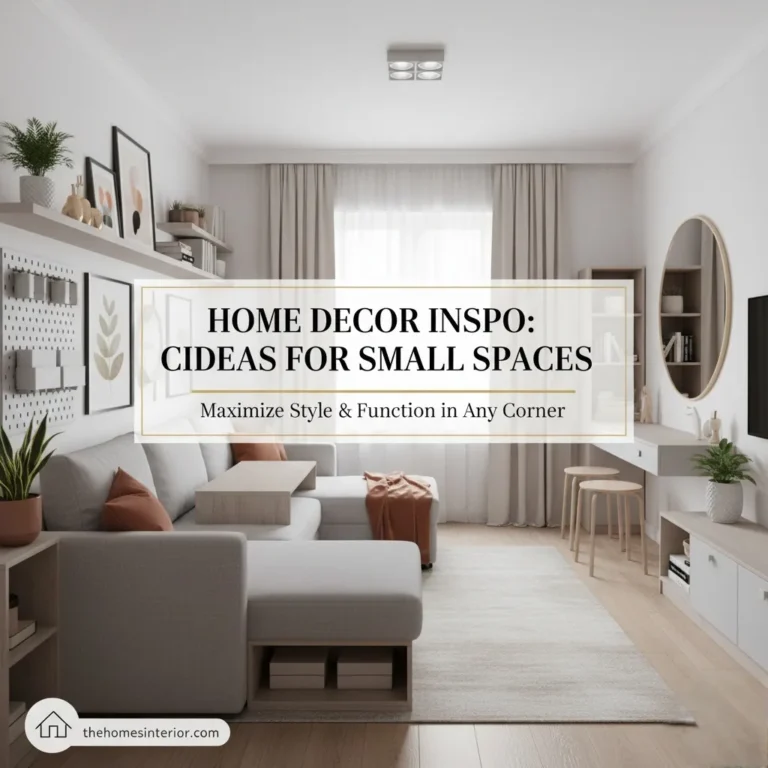
Yes. In fact, small spaces can benefit from maximalist design. Rich colors and layered textures can make a compact room feel cozy and expressive. Just be mindful of scale and proportion.