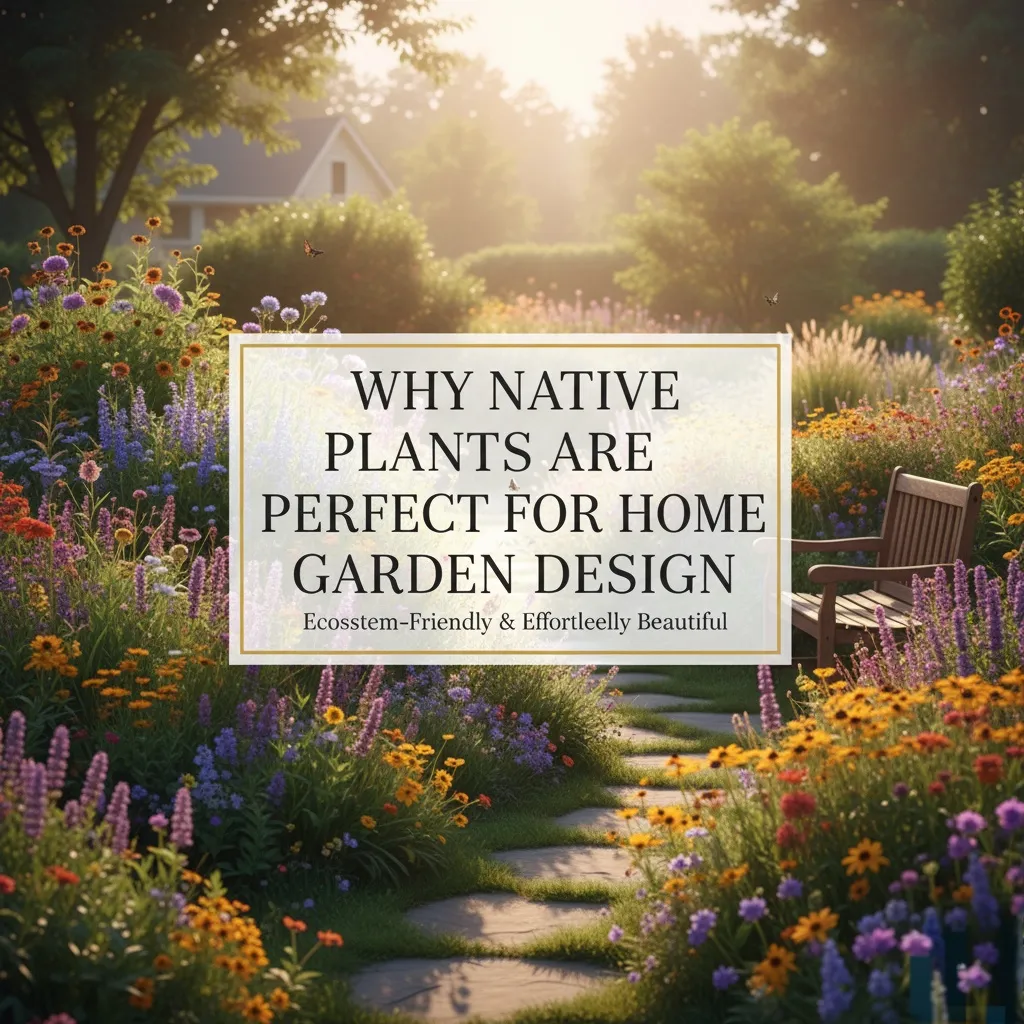
When I first met a couple in Oregon, they were pouring time and money into maintaining a lush garden fertilizers, pest control, endless watering. It looked beautiful but felt unsustainable. Everything changed when we embraced home garden ideas rooted in native plants. Within months, their garden came alive vibrant, low-maintenance, and filled with butterflies and birds, all without the heavy upkeep or chemical dependence.
The beauty of modern home garden ideas lies in balance and creating spaces that thrive naturally while reflecting your personal style. Native plants adapt effortlessly to local climates, reduce water waste, and support biodiversity. Whether you dream of a wildflower meadow, a minimalist courtyard, or a cozy backyard retreat, the right design can turn your garden into a sustainable sanctuary that blooms with life all year long.
What Makes a Plant “Native”?
When exploring home garden ideas, understanding what makes a plant “native” is key to creating a thriving, sustainable landscape. Native plants are species that have evolved naturally in a specific region over thousands of years, adapting perfectly to the local climate, soil, and wildlife. Unlike imported species, they don’t need constant maintenance or chemical support, they’re built to thrive right where they are.
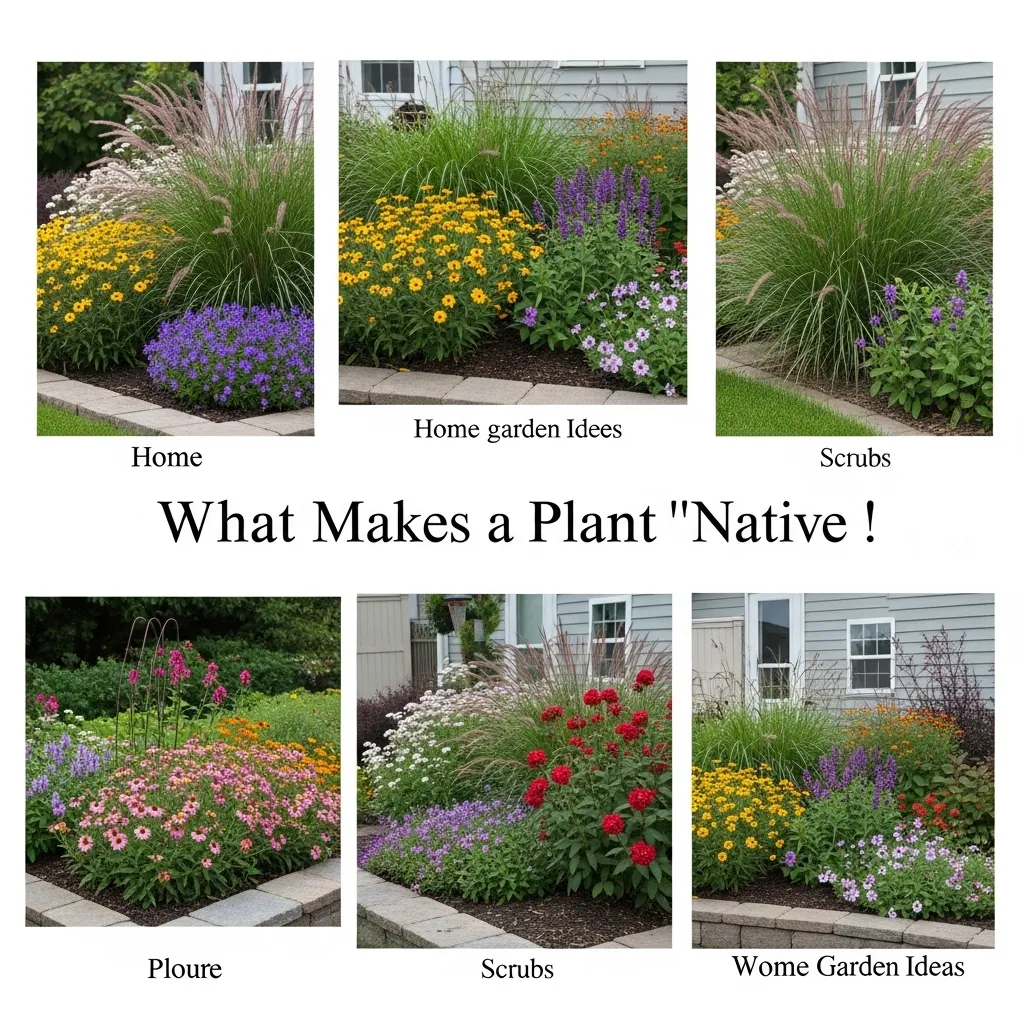
Incorporating native plants into your home garden ideas supports pollinators, attracts butterflies, and helps prevent pest problems naturally. From wildflowers and ornamental grasses to native shrubs, these plants bring color, texture, and seasonal beauty to your yard. They make eco-friendly gardening not only practical but visually stunning, turning your outdoor space into a sustainable sanctuary.
Benefits of Native Plants in Garden Design
Low Maintenance and Water Efficiency
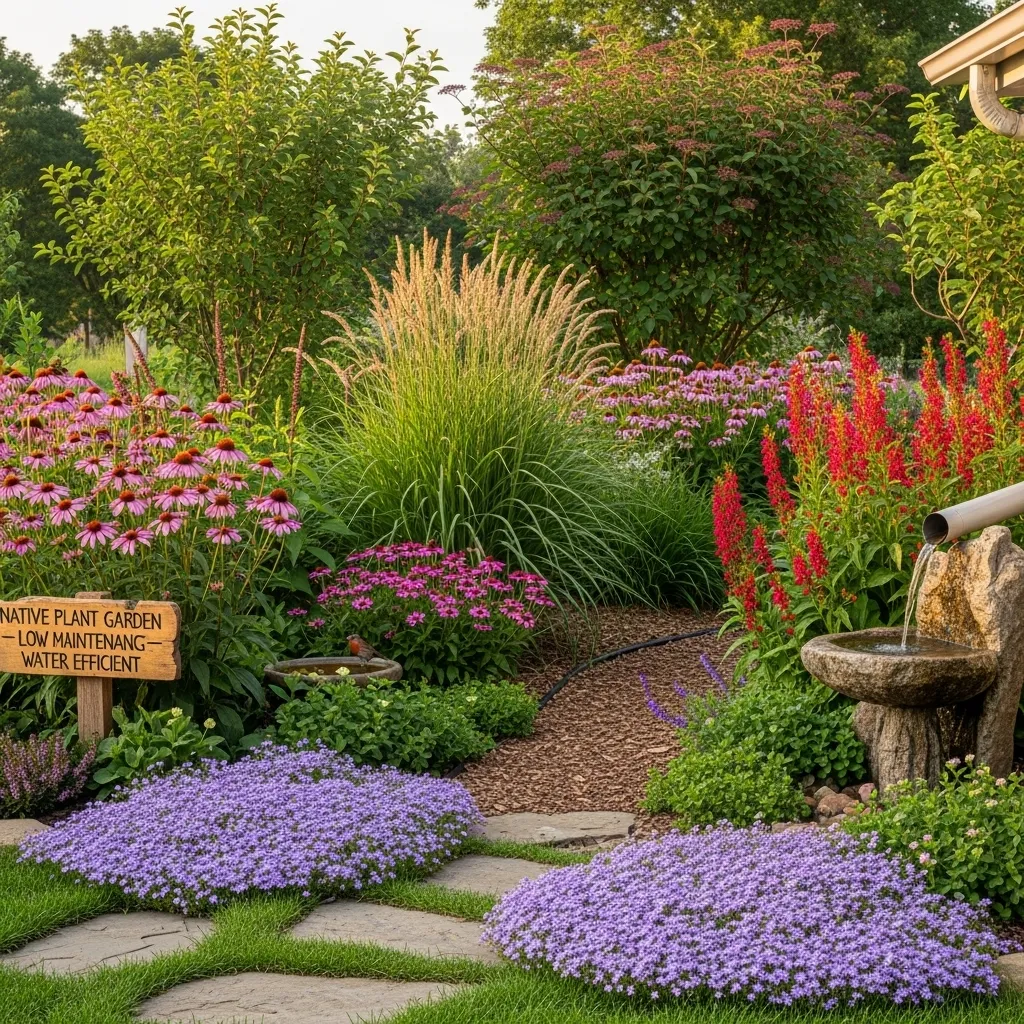
Native plants thrive with minimal irrigation once established. Their adaptation to local rainfall reduces water use, lowers maintenance needs, and supports sustainable gardening practices, making them ideal for eco-conscious homeowners seeking long-term garden efficiency and resilience.
Natural Pest Resistance
Native plants evolved alongside local insects, making them naturally resistant to common pests. This reduces the need for chemical treatments, promotes healthier soil, and supports a balanced ecosystem, ideal for gardeners who value low-maintenance and environmentally friendly solutions.
Biodiversity and Wildlife Support
Native gardens attract beneficial wildlife like birds, bees, and butterflies. These plants provide essential food, shelter, and nesting areas, creating a vibrant ecosystem that enhances your garden’s health, beauty, and ecological value throughout the seasons. Pairing native greenery with decorative elements like custom mosaic tiles can elevate the visual harmony while reinforcing your garden’s connection to place.
Seasonal Beauty and Resilience
Native plants bloom in cycles, offering visual interest year-round. Their resilience to local weather extremes, like droughts and frosts, ensures consistent performance and beauty, making them a reliable choice for dynamic, climate-adapted garden design.
Native Plants and Climate Adaptation
Native plants are naturally equipped to handle your region’s climate fluctuations. From intense summer heat to unexpected winter frosts, they’ve evolved to survive and thrive. This built-in resilience means fewer losses, less replanting, and a garden that endures. By choosing climate-adapted species, you’re not just designing for beauty, you’re designing for longevity.
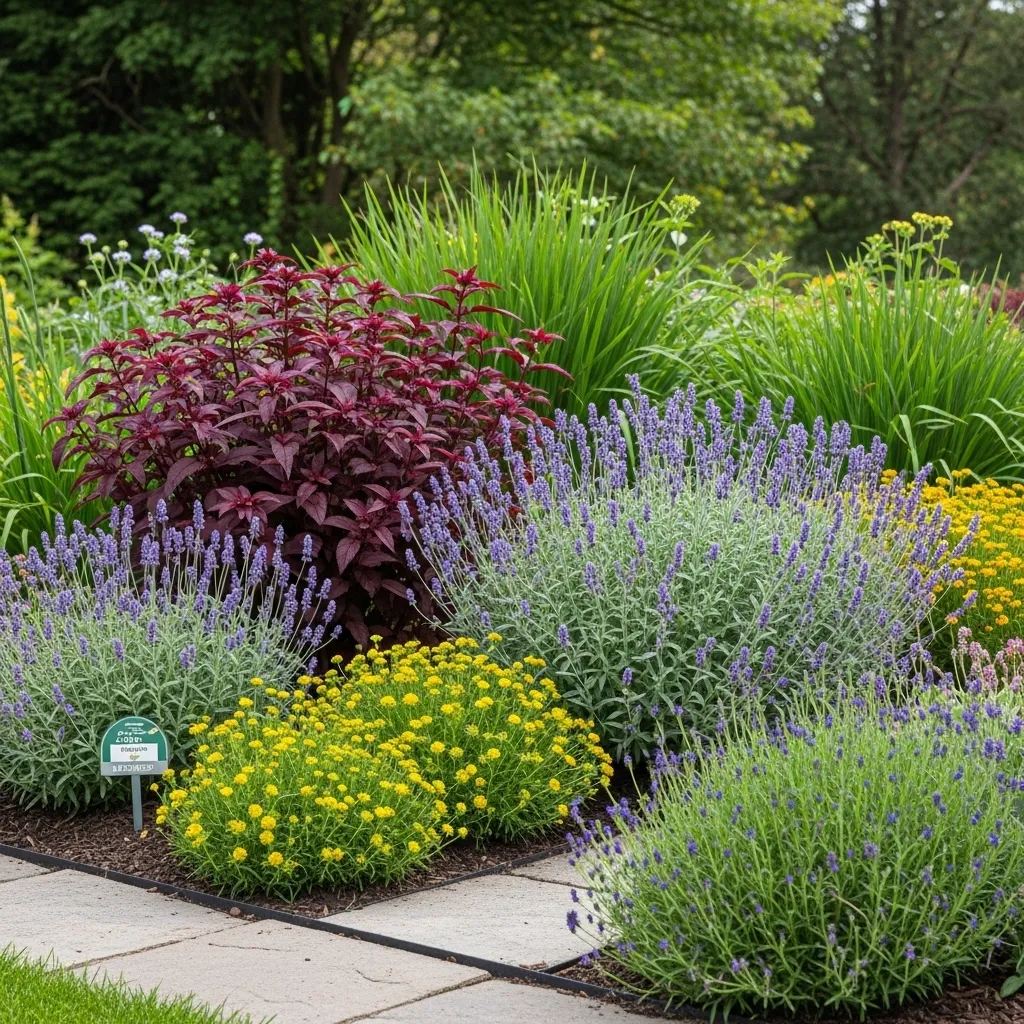
Native plants respond to seasonal changes with grace, maintaining structure and color even when conditions shift. For homeowners seeking sustainable home garden ideas, this is one of the smartest long-term strategies.
How to Incorporate Native Plants in Your Garden
1. Start with a Site Assessment
Before choosing plants, assess your garden’s sunlight exposure, soil type, and drainage. Successful home garden ideas start with understanding the microclimate. Matching native plants to their natural growing conditions ensures healthy roots, vibrant blooms, and long-term resilience.
2. Choose Regionally Appropriate Species
Work with local nurseries or native plant organizations to find species that naturally thrive in your region. These plants are already adapted to local rainfall and temperatures, making your garden more eco-friendly and low-maintenance. Choosing region-specific natives also supports local ecosystems and boosts biodiversity.
3. Mix Layers for Visual and Ecological Balance
A well-designed native garden includes layers of plant life—groundcovers, perennials, shrubs, and trees. This approach creates depth, color variation, and texture while providing shelter and food for birds and pollinators. Layering also enhances soil health and reduces erosion, key aspects of sustainable home garden ideas.
4. Design for Bloom Succession
Select native plants with staggered bloom times to ensure year-round interest. Continuous color keeps your garden visually engaging and provides ongoing nectar sources for pollinators like bees and butterflies. This strategy combines beauty with ecological purpose, enhancing both design and sustainability.
5. Use Groupings and Repetition
Instead of scattering single plants, cluster native species in groups. Repetition creates rhythm, visual harmony, and easier maintenance. Grouped plantings are also more efficient for pollinators to locate, making your home garden design both cohesive and wildlife-friendly.
Pro Tip from a Designer
To blend your garden with your outdoor living space, carry the theme beyond the soil. Add potted native plants to patios or entryways for a seamless transition between nature and home proving that great home garden ideas can be both stylish and sustainable.
Common Mistakes to Avoid
- Choosing plants based on looks alone without checking regional compatibility
- Overwatering newly planted natives, most prefer dry conditions once established
- Mixing invasive species with natives can disrupt the ecosystem
- Ignoring soil type and sun exposure when selecting species
Pro Tip: Native doesn’t mean boring. Many native plants offer vibrant blooms, dramatic foliage, and architectural structure. You just need to choose wisely and design intentionally.
Frequently Asked Questions
Can native plants work in small urban gardens?
Yes. Many native species are compact and thrive in containers or raised beds. They’re perfect for balconies, patios, and tight spaces.
Do native plants attract pests?
No more than any other plant. In fact, they often attract beneficial insects that help control pests naturally, reducing the need for chemical treatments.
How long do native plants take to establish?
Most native perennials take one full growing season to establish. After that, they require minimal care and often self-seed or spread naturally.
Are native plants good for pollinators?
Absolutely. Native plants are essential for bees, butterflies, and hummingbirds. They provide nectar, pollen, and habitat that exotic plants often lack.
Grow Beauty That Belongs
Here’s what makes native plants a game-changer:
- They’re low-maintenance and water-wise
- They support local wildlife and biodiversity
- They offer seasonal beauty and resilience
- They reduce chemical use and environmental impact
Native plants don’t just survive, they thrive. They connect your garden to the land, the climate, and the creatures that call it home. Whether you’re starting fresh or reimagining your space, native plants offer a path to a garden that’s both stunning and sustainable.
What native plants have you tried in your garden? Share your favorites in the comments; we’d love to hear how you’re designing with nature.