When I walked into a client’s newly renovated apartment, her excitement was infectious DIY gallery walls, color-blocked accents, and shelves filled with personal touches. Yet, something felt off. “I wanted personality,” she admitted, “but now it feels overwhelming.” That’s the challenge many encounter in home aesthetic DIY projects: too many ideas, not enough intention.
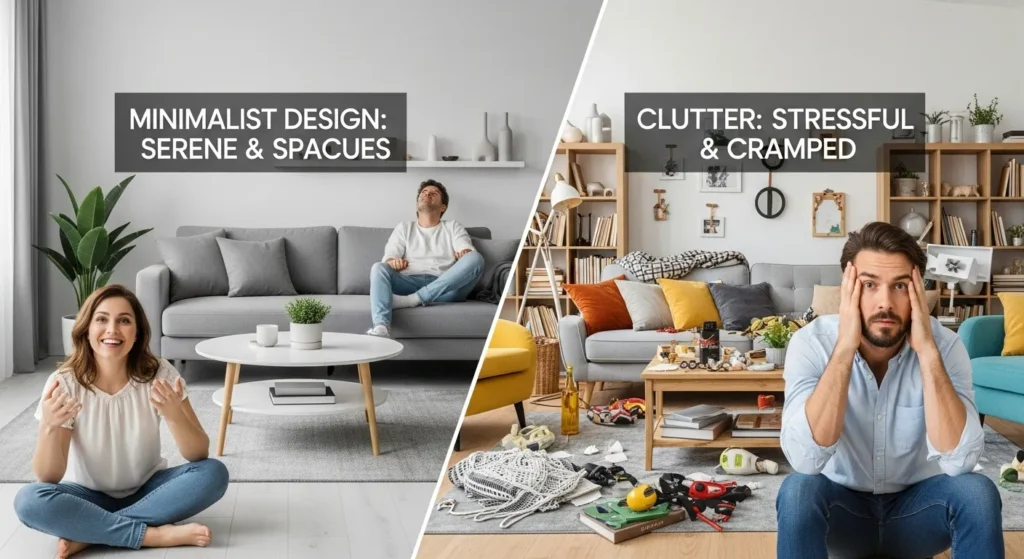
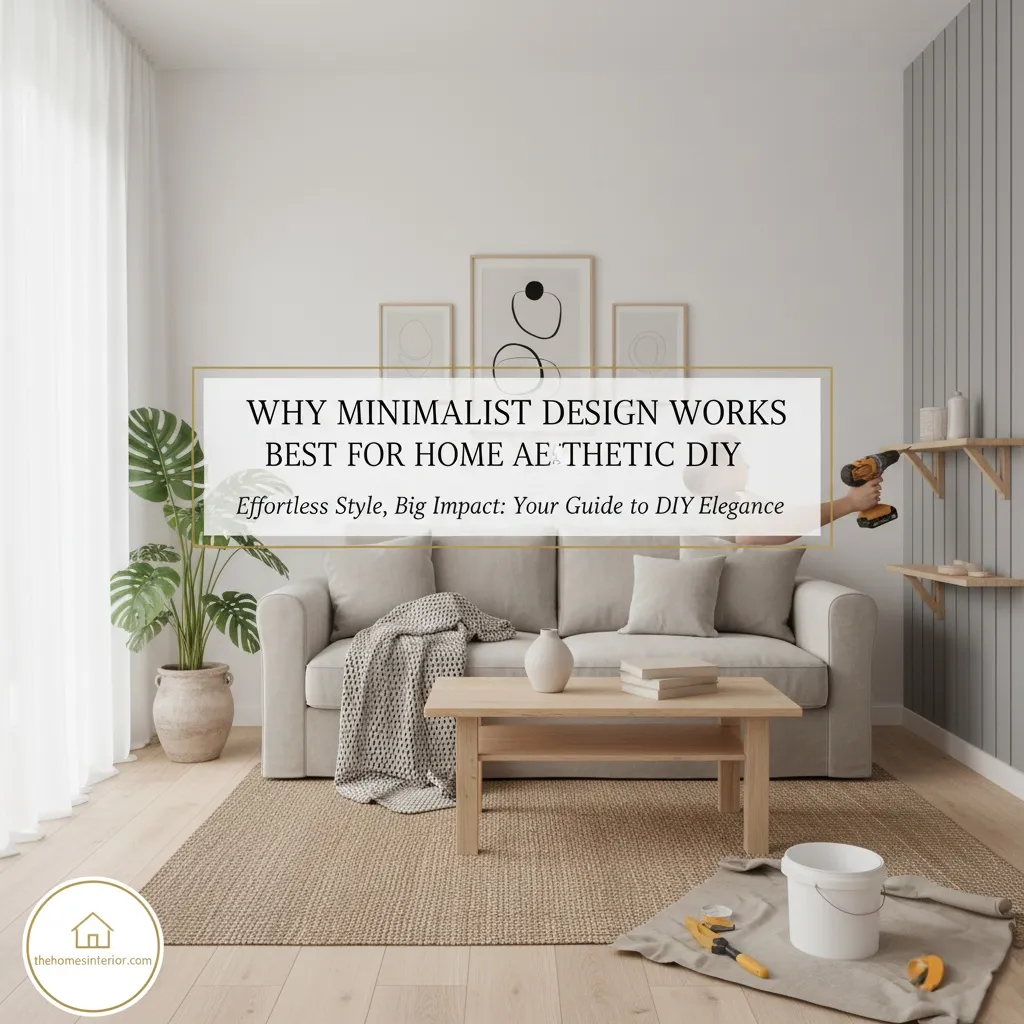
Minimalist design offers the perfect solution. It’s not about stripping your home bare it’s about refining your space so that every piece has purpose. For DIY decorators, it creates calm from chaos, giving your interiors a sense of flow, balance, and beauty without the clutter. Whether you’re reworking a small apartment or refreshing a single room, embracing minimalism in your home aesthetic DIY approach helps you design smarter, not louder.
What Defines Minimalist Design?
Minimalist design is rooted in simplicity, function, and intentionality. It favors clean lines, neutral palettes, and uncluttered spaces. Every item has a purpose, either practical or emotional. It’s not sterile; it’s serene.
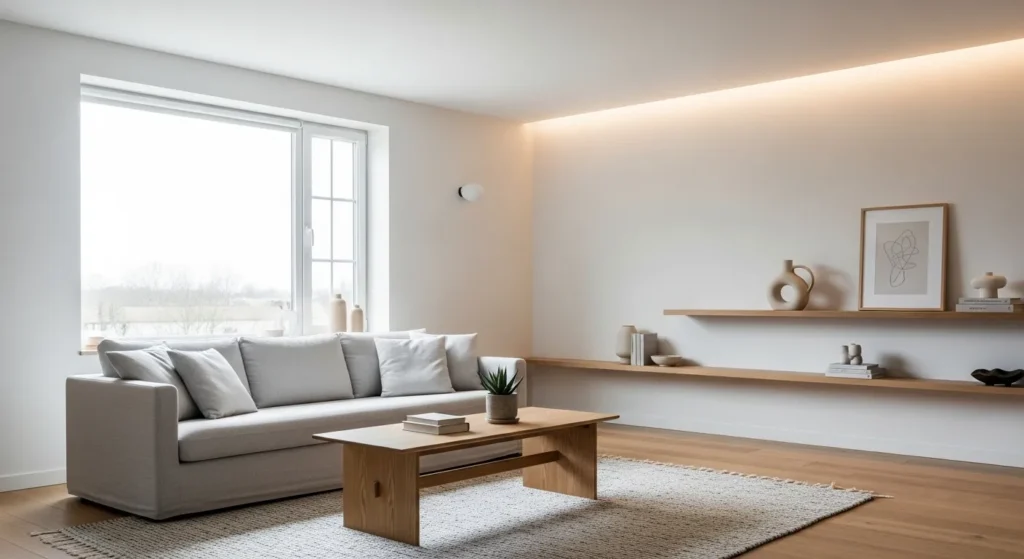
This style emerged from post-war modernism and Japanese design philosophies, emphasizing mindfulness and restraint. Today, it’s embraced for its timeless appeal and adaptability. Whether you’re styling a studio or a family home, minimalist principles help you focus on what matters most.
Core Principles That Make DIY Easier
Less Is More
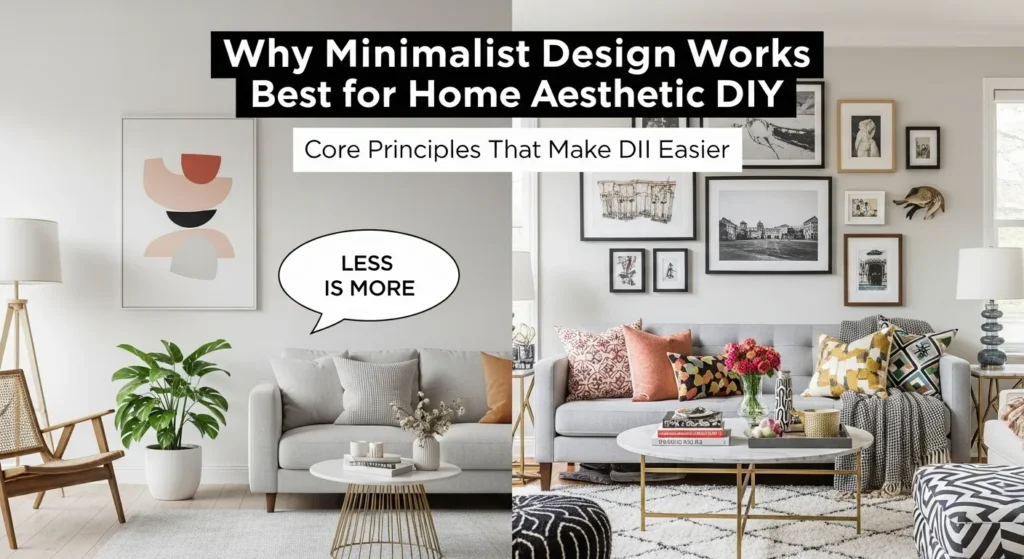
Minimalist design favors fewer pieces with greater impact. This simplifies DIY decisions, reduces clutter, and helps you create a space that feels calm, intentional, and visually balanced without relying on excess or over-decoration.
Neutral Foundations
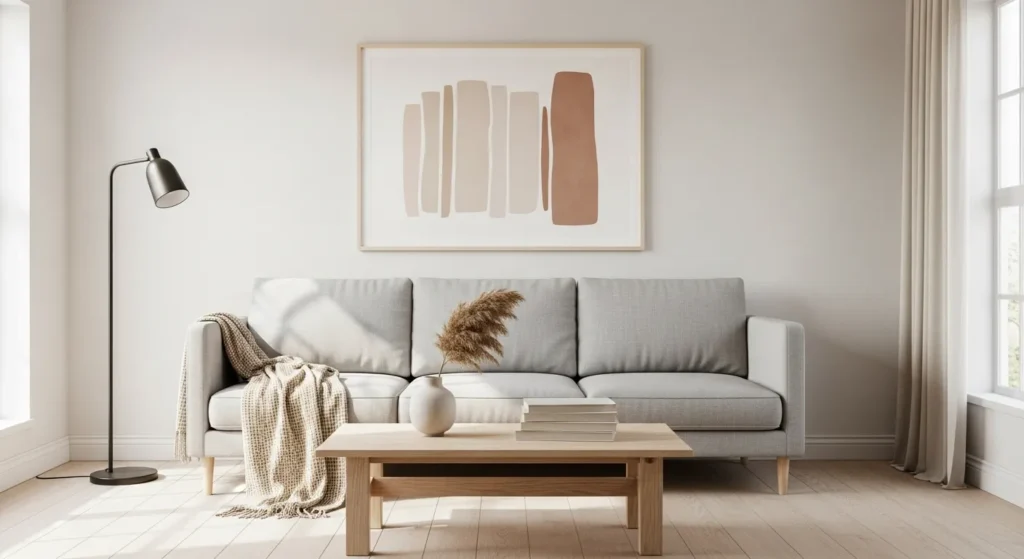
Start with whites, greys, or soft earth tones. These calming hues create a clean backdrop, making it easier to layer in texture, add warmth, and maintain a cohesive look throughout your space without visual noise.
Functional Beauty
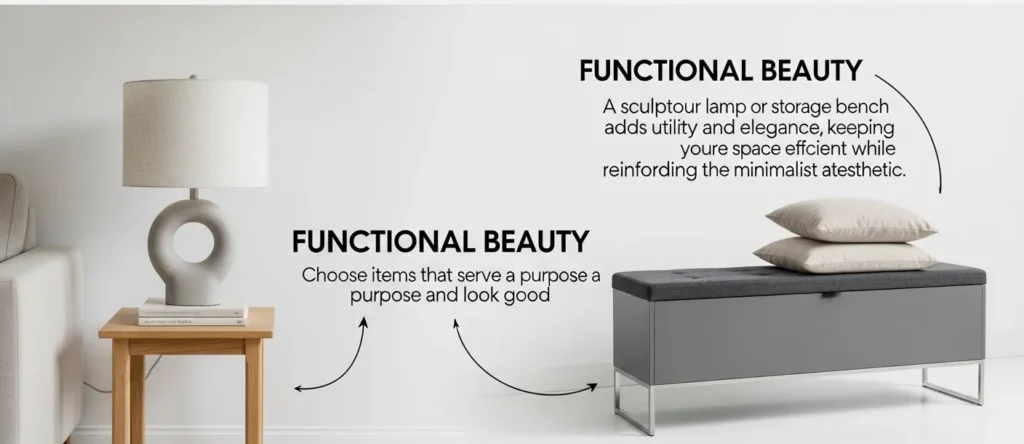
Choose items that serve a purpose and look good. A sculptural lamp or storage bench adds utility and elegance, keeping your space efficient while reinforcing the minimalist aesthetic.
Visual Breathing Room
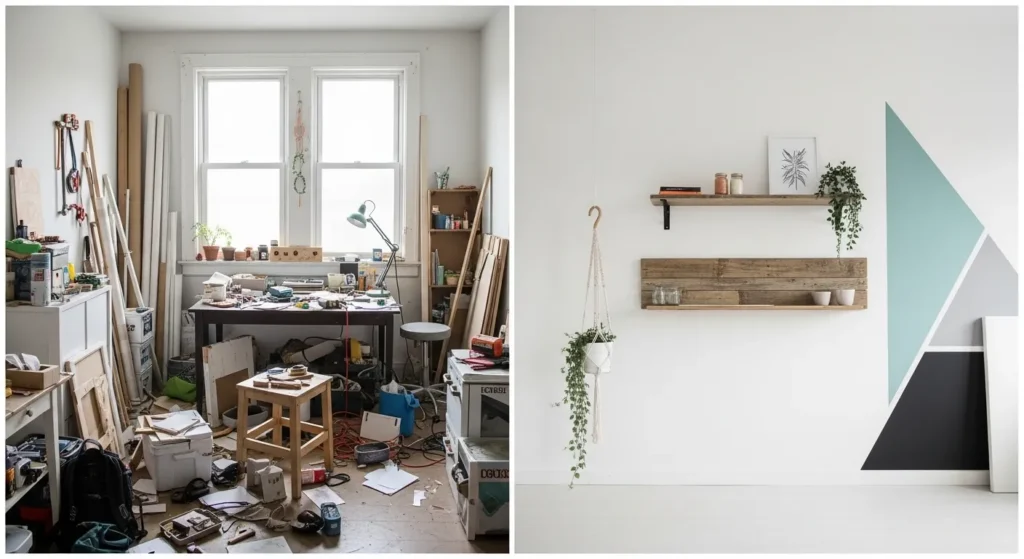
Leave space between objects to avoid crowding. Negative space allows each item to stand out, creating a sense of openness and clarity that supports a peaceful, well-composed environment.
Intentional Styling
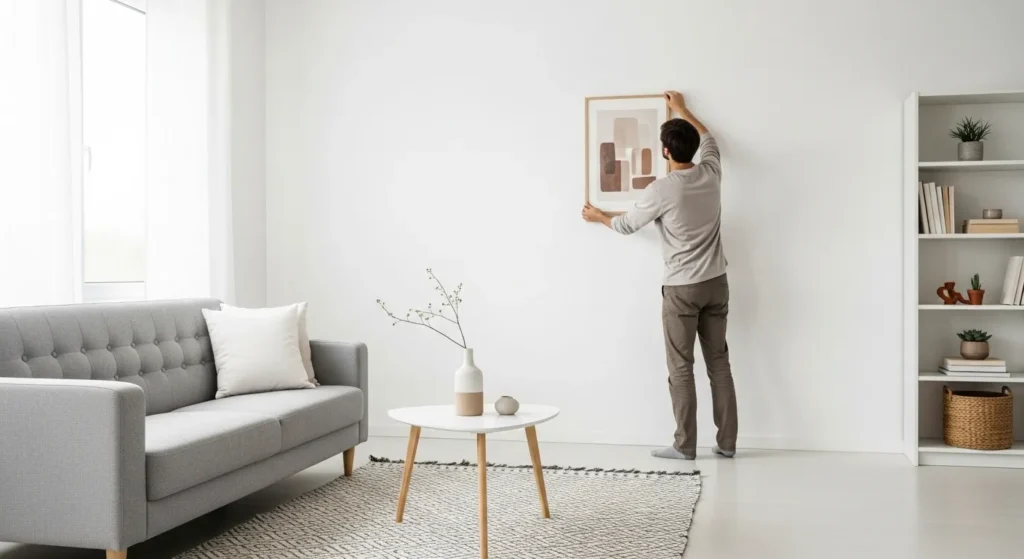
Every object should feel considered. Whether it’s a vase, chair, or framed print, it must contribute meaningfully to the room’s mood, function, and overall sense of harmony.
Why Minimalism Enhances Small Spaces
Minimalist design naturally enhances home aesthetic DIY projects, especially in small homes and apartments. By reducing visual clutter and emphasizing clean lines, you create spaces that feel larger, brighter, and more balanced. Neutral tones, open layouts, and thoughtful furniture placement amplify natural light and flow essential principles for maximizing comfort in compact areas.
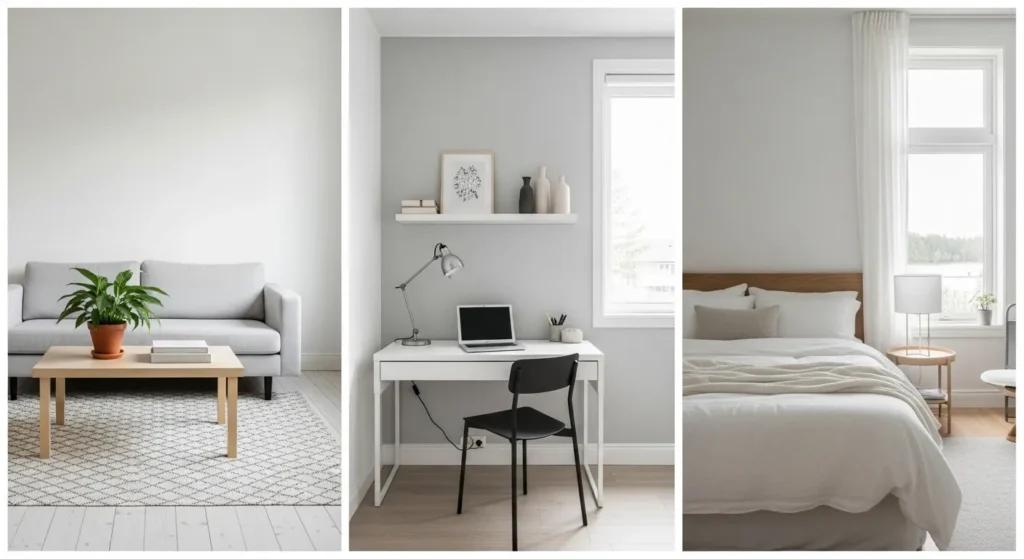
For DIY decorators, minimalism offers freedom through focus. Instead of crowding rooms with decor, it teaches you to highlight architectural details, use vertical space strategically, and choose multifunctional furniture that blends beauty with practicality. This intentional approach turns your home aesthetic DIY project into a serene, stylish, and functional environment that feels effortlessly spacious.
How to Incorporate Minimalism in Your DIY Projects
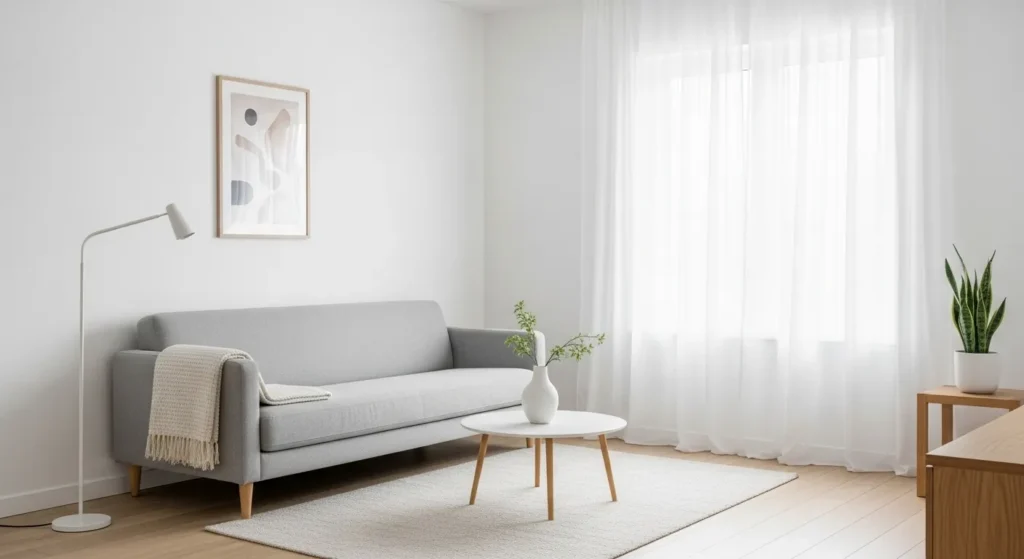
Start with Decluttering
Remove anything that doesn’t serve a purpose or spark joy. Clearing visual clutter helps you reset your space, making it easier to identify what truly matters and giving your DIY design a fresh, focused starting point.
Choose Multi-Use Pieces
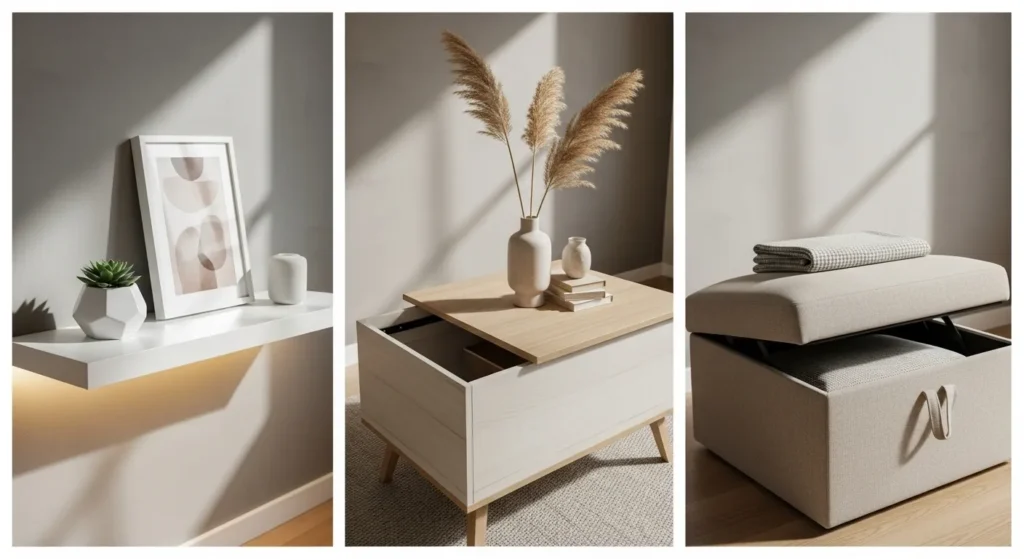
Select furniture that offers flexibility and function. A bench that doubles as a coffee table or a shelf that frames your workspace adds value, saves space, and supports a minimalist approach to decorating.
Limit Your Color Palette
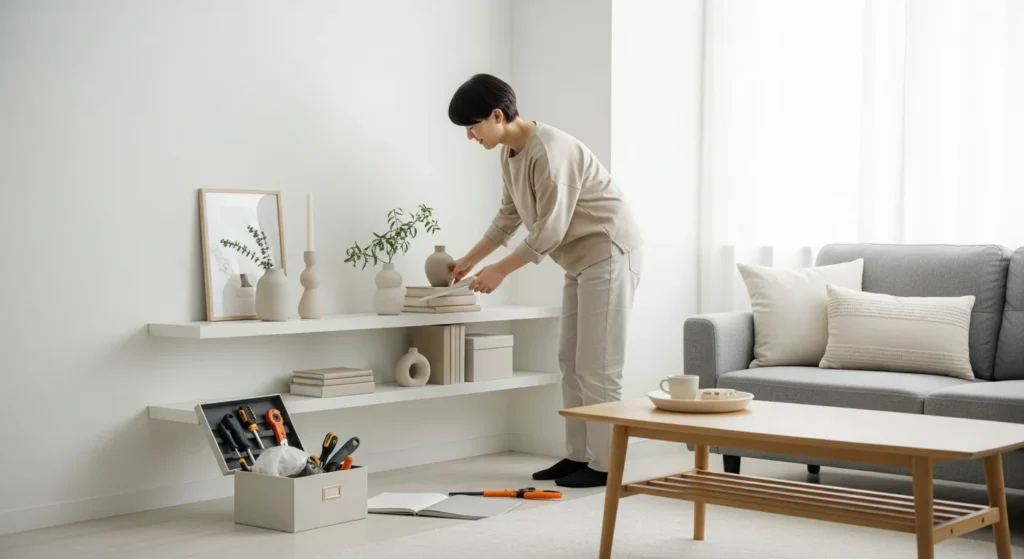
Stick to two or three tones throughout your space. This creates visual harmony, making your DIY choices, paint, textiles, and decor feel intentional, cohesive, and easy to layer without visual overload. A monochrome interior design approach, utilizing tonal variations of a single color, can be especially effective in minimalist DIY projects, offering depth without distraction.
Focus on Texture
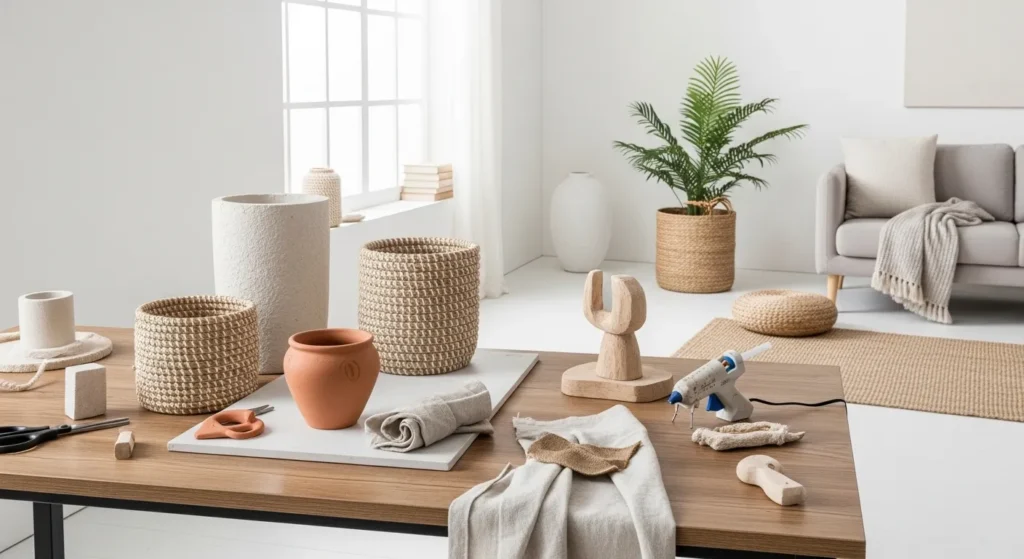
Use materials like linen, wood, metal, or matte ceramics to add depth. Texture replaces pattern in minimalist design, offering richness and warmth without disrupting the clean, calm aesthetic you’re building.
Edit Ruthlessly
After styling, remove one item and reassess. This editing process ensures your space feels curated, not cluttered, helping each piece stand out and reinforcing the clarity that defines minimalist design.
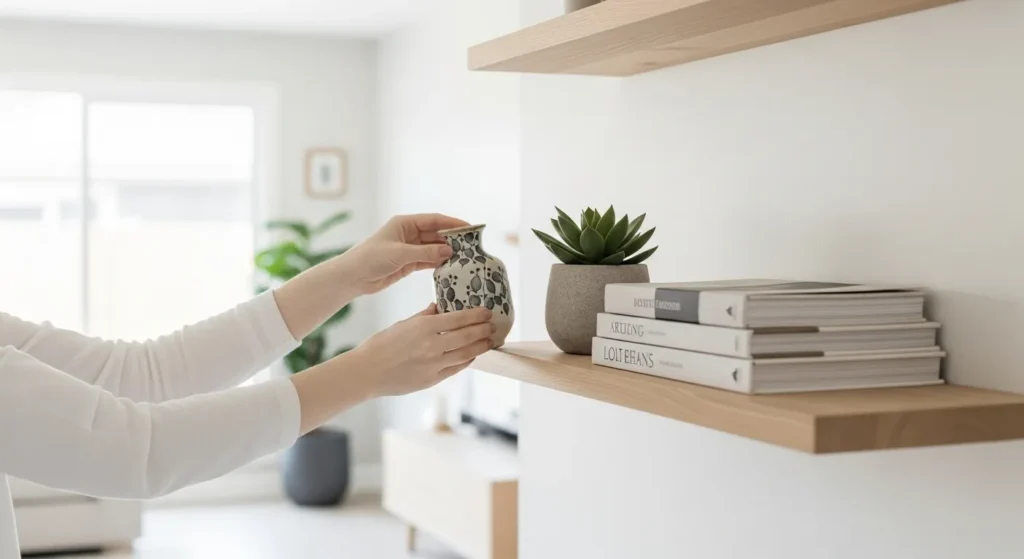
Designer’s Note: If you’re experimenting with home aesthetic DIY, start with one room. Apply minimalist principles there first. You’ll quickly see how less truly becomes more.
Cost Breakdown: Minimalism Saves More Than Space
Minimalist design is budget-friendly by nature. Fewer items mean fewer purchases. But quality matters. Here’s a general breakdown:
- Budget-friendly: $300–$800 for basic furniture, paint, and storage
- Mid-range: $800–$2,000 for higher-end finishes, lighting, and textiles
- High-end: $2,000+ for custom pieces, built-ins, and designer accents
Factors that influence cost:
- Material choice (solid wood vs. MDF)
- DIY vs. professional installation
- Room size and layout complexity
- Number of pieces and finishes selected
Minimalism encourages investing in fewer, better things, saving money long-term, and reducing waste.
Frequently Asked Questions
Can minimalist design still feel personal?
Absolutely. In home aesthetic DIY projects, use meaningful objects, curated art, and personal textures. Minimalism isn’t about removing personality, it’s about refining and highlighting it intentionally.
What colors work best in minimalist spaces?
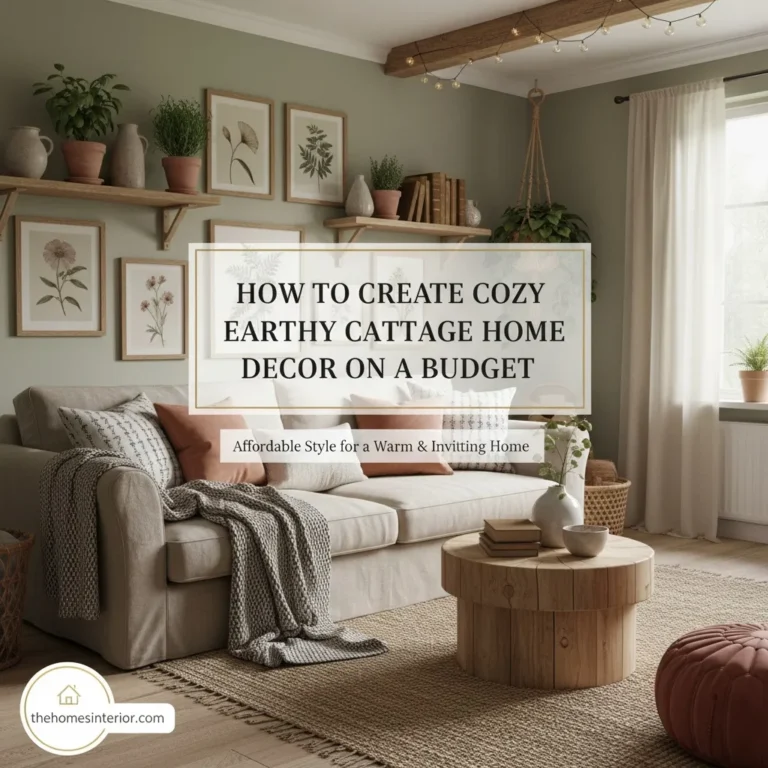
Neutrals like white, beige, grey, and soft black form the perfect base. Add muted accents such as sage, terracotta, or blush to introduce warmth without overwhelming your minimalist aesthetic.
How do I avoid making my space feel empty?
Layer texture, lighting, and scale. A large rug, layered lamps, or a statement chair adds depth and personality while maintaining clean, uncluttered lines.
Is minimalist design suitable for families?
Yes. Minimalism simplifies routines and reduces visual clutter. Incorporate smart storage, durable furniture, and multifunctional pieces to keep your space functional, stylish, and family-friendly.
Less Effort, More Impact: Why Minimalism Wins
Minimalist design is perfect for home aesthetic DIY because it maximizes impact with minimal effort. Here’s why it works:
- Fewer decisions, faster results: Streamlined choices speed up your DIY process.
- Budget-friendly without sacrificing style: Minimalism focuses on quality over quantity, keeping costs low while maintaining a polished look.
- Easy to personalize with texture and tone: Layer textiles, finishes, and subtle colors to make the space uniquely yours.
- Supports calm, functional living: Intentional design creates organized, serene spaces that feel open and welcoming.
Minimalism empowers you to create spaces that are purposeful, stylish, and beautifully yours. Whether you’re painting a wall, styling a shelf, or reorganizing your furniture, this approach simplifies your home aesthetic DIY projects while amplifying the results.
What’s your favorite minimalist DIY project? Share your ideas in the comments, we’d love to see how you’ve made simplicity shine.