Floor to ceiling bookshelves aren’t just storage; they’re architectural statements. They draw the eye upward, add vertical drama, and transform blank walls into curated expressions of personality. Whether you’re styling a home office, a cozy reading nook, or a modern living room, these shelves elevate both the space and its purpose.

Learning how to build floor to ceiling bookshelves from scratch gives you full control over form and function. You can tailor the dimensions, materials, and layout to suit your room’s proportions and your design vision. It’s a chance to create something both practical and poetic.
From maximizing square footage to showcasing your favorite reads, these shelves do more than hold books; they hold stories worth displaying.
Step 1: Measure, Map, and Visualize
Start by measuring the wall from floor to ceiling, noting any obstructions like vents, outlets, or trim. Sketch a rough layout of your bookshelf design. Decide how many vertical supports you’ll need and how wide each shelf should be. Consider symmetry, spacing, and whether you want open shelving or cabinet bases.
Designer’s Note: Use painter’s tape to outline your design on the wall; it helps visualize scale before committing.
Step 2: Choose Your Materials Wisely
For a sturdy build, opt for hardwood plywood, MDF, or solid wood planks. Plywood is cost-effective and easy to paint, while solid wood adds warmth and character. You’ll also need brackets, screws, wood glue, and finishing materials like paint or stain.
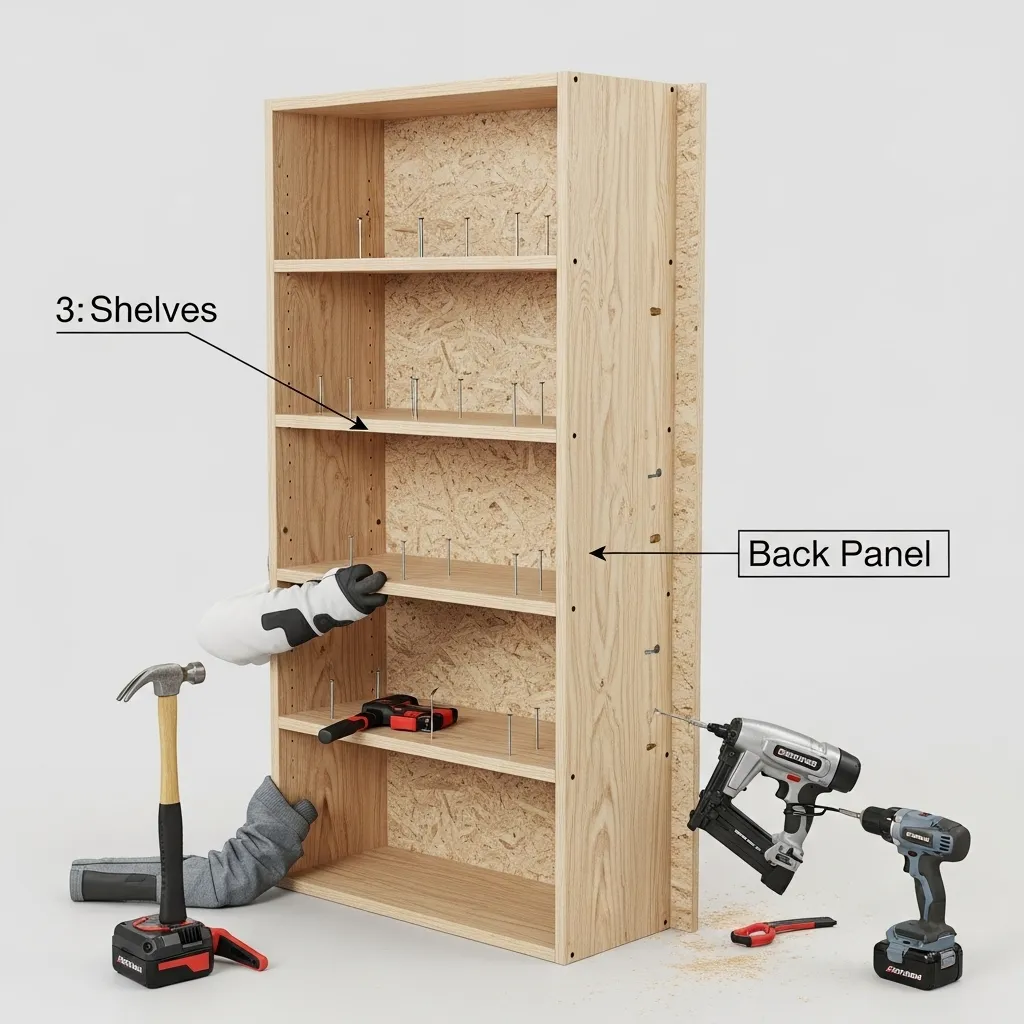
If you’re going for a built-in look, match the bookshelf material to your existing trim or cabinetry. For a modern twist, consider mixing wood with metal brackets or floating shelves.
Step 3: Build the Frame
Begin by installing vertical supports (also called uprights) along the wall. These anchor the structure and define shelf spacing. Use a level to ensure they’re plumb, and secure them into wall studs for stability.
Next, cut and attach horizontal shelves. Use pocket screws or brackets for support, and reinforce longer spans with center supports to prevent sagging.
Pro Tip: Leave a few inches at the top for crown molding or a decorative trim; it adds a polished, built-in finish.
Step 4: Add Trim and Finish
Once the shelves are installed, add trim pieces to conceal gaps and create a seamless look. Baseboard integration, side panels, and crown molding elevate the bookshelf from DIY to custom-built.
Sand all surfaces, then paint or stain according to your room’s palette. White paint offers a clean, classic look, while natural wood tones add warmth and texture.
Step 5: Style with Intention
Now comes the fun part, styling. Mix books with decorative objects, framed photos, and plants. Use baskets or bins on lower shelves for hidden storage. Vary the heights and textures to create visual rhythm.
Designer’s Note: Leave some negative space to avoid visual clutter. Your shelves should feel curated, not crammed.
Designing Around Your Bookshelves: Cohesion and Flow
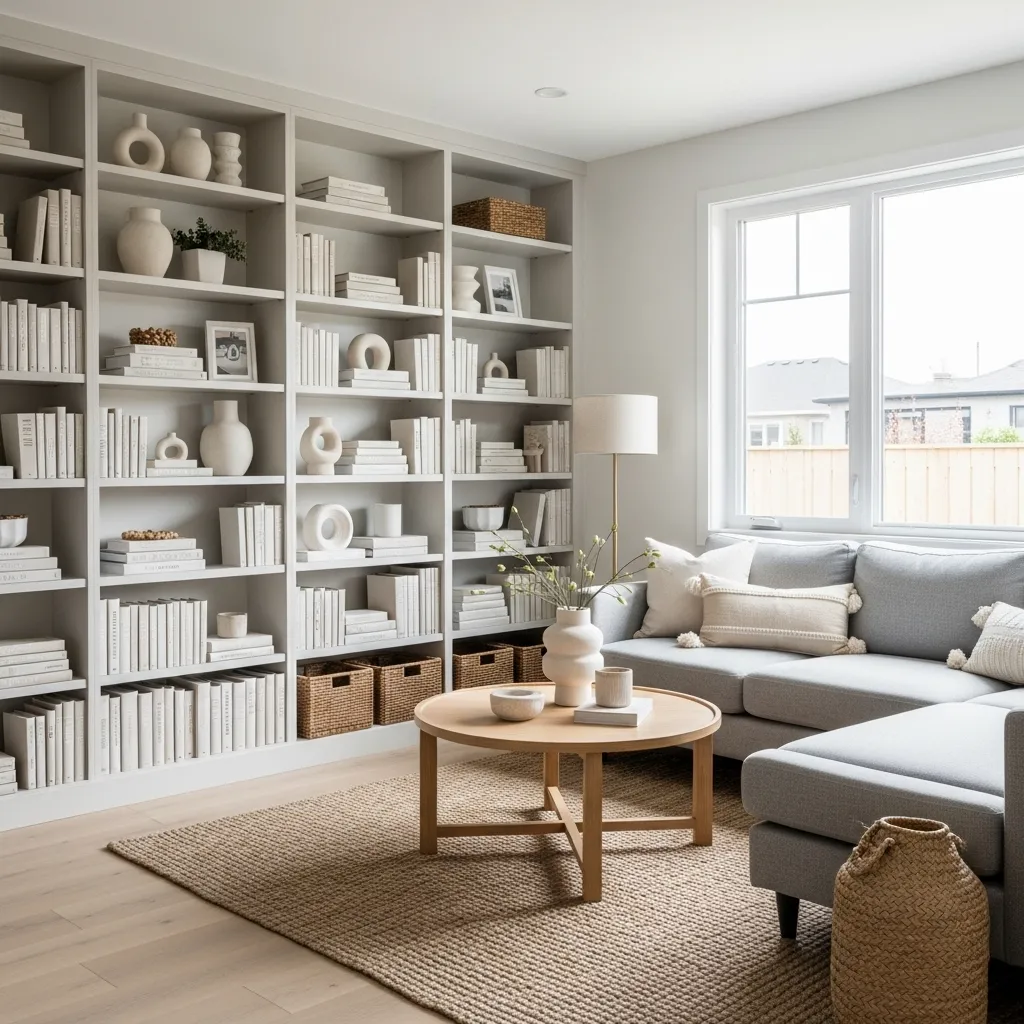
Floor to ceiling bookshelves don’t exist in isolation; they shape the entire room. To make them feel integrated, consider how they interact with adjacent furniture, lighting, and architectural features. A well-placed armchair or reading lamp can turn a bookshelf wall into a cozy retreat — especially when paired with wallpaper in interior design that adds depth, pattern, or a subtle backdrop behind the shelves. If your shelves flank a fireplace or window, balance the visual weight with symmetry or intentional asymmetry.
Coordinate with Color and Texture
Match your bookshelf finish to other elements in the room, whether it’s the flooring, trim, or cabinetry. For contrast, use complementary tones that highlight the shelves without overwhelming them. Painted shelves blend into the wall for a minimalist look, while stained wood adds warmth and depth.
Frame Focal Points
Use your bookshelves to frame key features like artwork, a media console, or a doorway. This creates visual rhythm and helps the shelves feel like part of the room’s architecture rather than an add-on. Built-ins around a TV or fireplace can double as storage and style.
Maintain Functional Flow
Avoid placing bookshelves where they obstruct natural pathways or light sources. If your room is small, consider shallow shelves or open designs that keep the space feeling airy. In larger rooms, use bookshelves to define zones, like separating a dining area from a lounge.
What are the Common Mistakes to Avoid
Skipping Stud Anchoring
Shelves that aren’t anchored into wall studs risk collapsing under the weight of books and décor. Always locate studs before installation and use appropriate fasteners to ensure long-term stability and safety.
Choosing Thin or Flimsy Materials
Thin boards may look sleek, but they tend to warp or sag, especially across long spans. Opt for sturdy materials like hardwood plywood or solid wood to maintain structure and visual integrity over time.
Ignoring Ventilation Needs
If your bookshelf is built near HVAC vents, leave space for airflow. Blocking vents can disrupt temperature regulation and lead to moisture buildup, which may damage both the shelves and their contents.
Overloading the Shelves
Balance is key. Overloading shelves with heavy items can cause sagging or even tipping. Distribute weight evenly and avoid stacking too many books in one area, especially on upper levels.
Overlooking Wall Irregularities
Walls aren’t always perfectly flat. Before building, check for uneven surfaces, baseboard protrusions, or outlet placements. Adjust your design to accommodate these quirks for a seamless, professional finish.
Frequently Asked Questions
Can I build floor to ceiling bookshelves without power tools?
It’s possible, but power tools like a drill and circular saw make the process faster and more precise.
What’s the best wood for bookshelves?
Plywood is budget-friendly and paintable. Solid wood, like oak or maple, offers durability and a high-end finish.
How deep should the shelves be?
Standard shelf depth is 10–12 inches, but adjust based on book size, decor items, or storage needs.
Can I add lighting to my bookshelves?
Yes, LED strips or puck lights add warmth, highlight displays, and enhance visibility, especially in dim corners or evening settings.
Build with Purpose
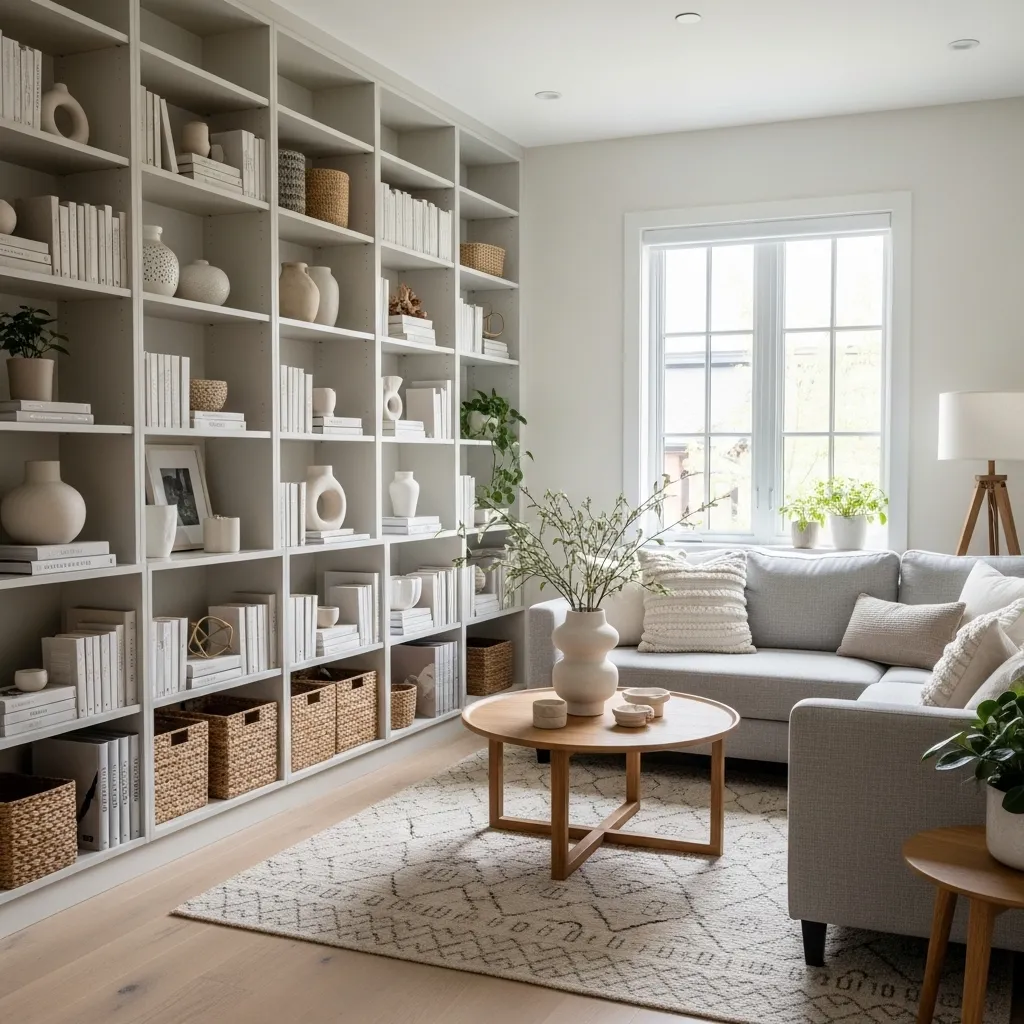
Learning how to build floor to ceiling bookshelves is more than a weekend DIY; it’s a way to shape your space with intention. These shelves become a vertical canvas, reflecting your personality, habits, and design sensibility while maximizing every inch of wall space.
Whether you’re crafting a cozy reading wall or a sleek, modern storage solution, each board and bracket contributes to the story of your home. Let your shelves rise with purpose and let your space rise with them, beautifully tailored to both function and feeling.