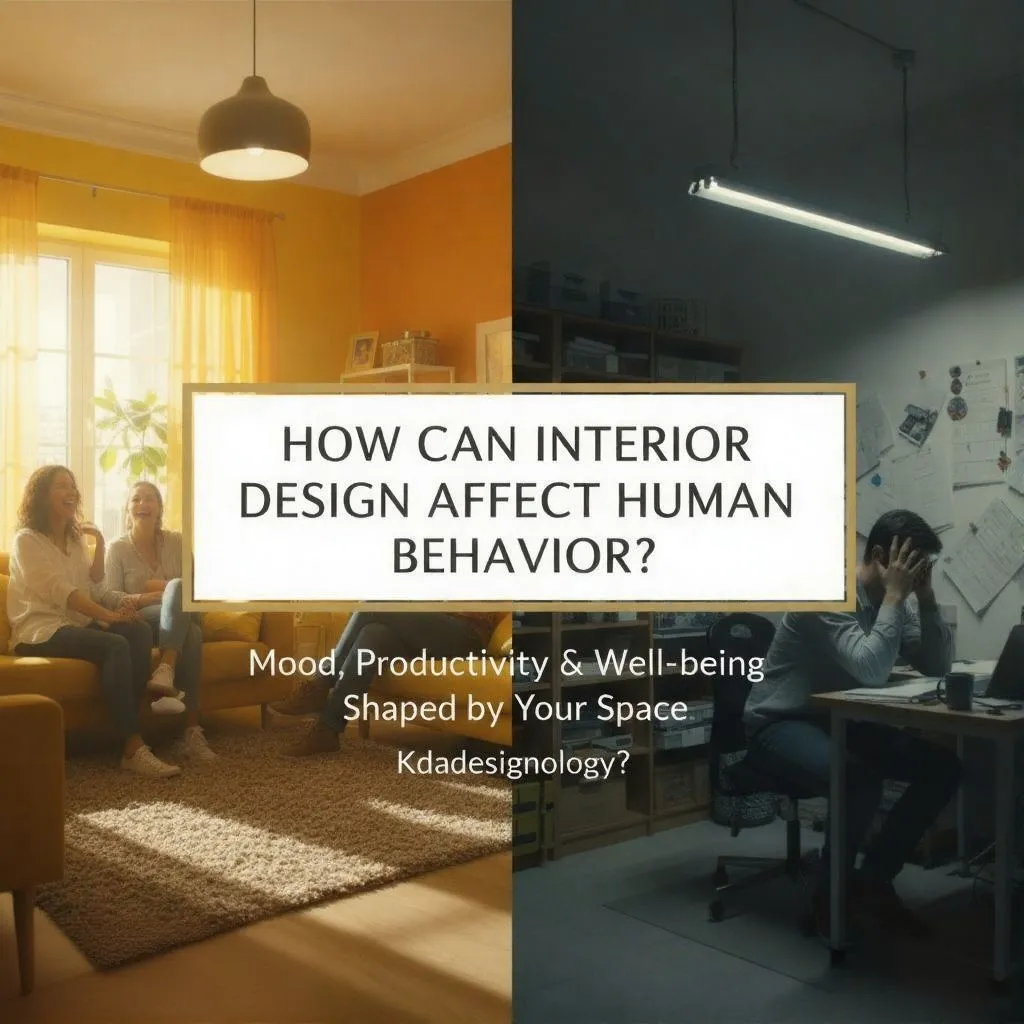
Have you ever walked into a room and instantly felt calm, focused, or even inspired? That’s not coincidence, it’s design psychology in action. Understanding how interior design can affect human behavior is at the heart of what Kdadesignology explores. From color palettes that soothe anxiety to spatial layouts that encourage connection, every design choice influences mood, productivity, and even decision-making.
So, how can interior design affect human behavior Kdadesignology in real life? It’s more than arranging furniture or picking pretty textures, it’s about crafting environments that shape the way we think, feel, and interact. Whether it’s a home that nurtures relaxation or an office that fuels creativity, great design doesn’t just fill a space and it transforms the human experience within it.
Core Principles of Kdadesignology
Kadesignology emphasizes the relationship between environment and experience. It’s rooted in behavioral science, environmental psychology, and spatial ergonomics. The goal is to design spaces that don’t just look good, they feel right.
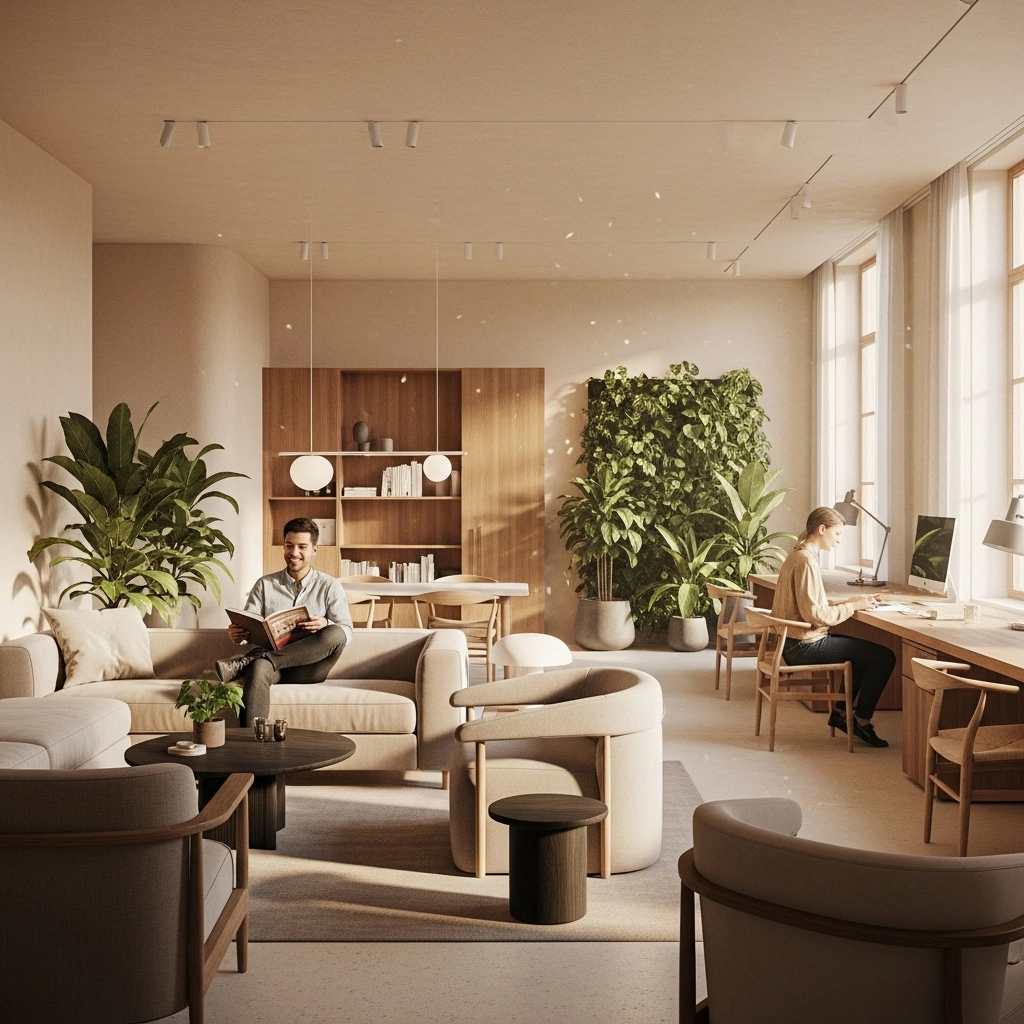
This approach considers how people respond to color, light, acoustics, and layout. For example, soft lighting and warm tones promote relaxation, while open layouts and natural light encourage collaboration and movement. By applying these principles, designers can influence mood, productivity, and even social behavior.
Cultural Influence in Behavior-Driven Design
Interior design doesn’t operate in a vacuum; it’s shaped by cultural norms, values, and expectations. What feels calming in one culture may feel sterile in another. Kdadesignology accounts for these nuances by tailoring design choices to the emotional and behavioral cues of specific communities.
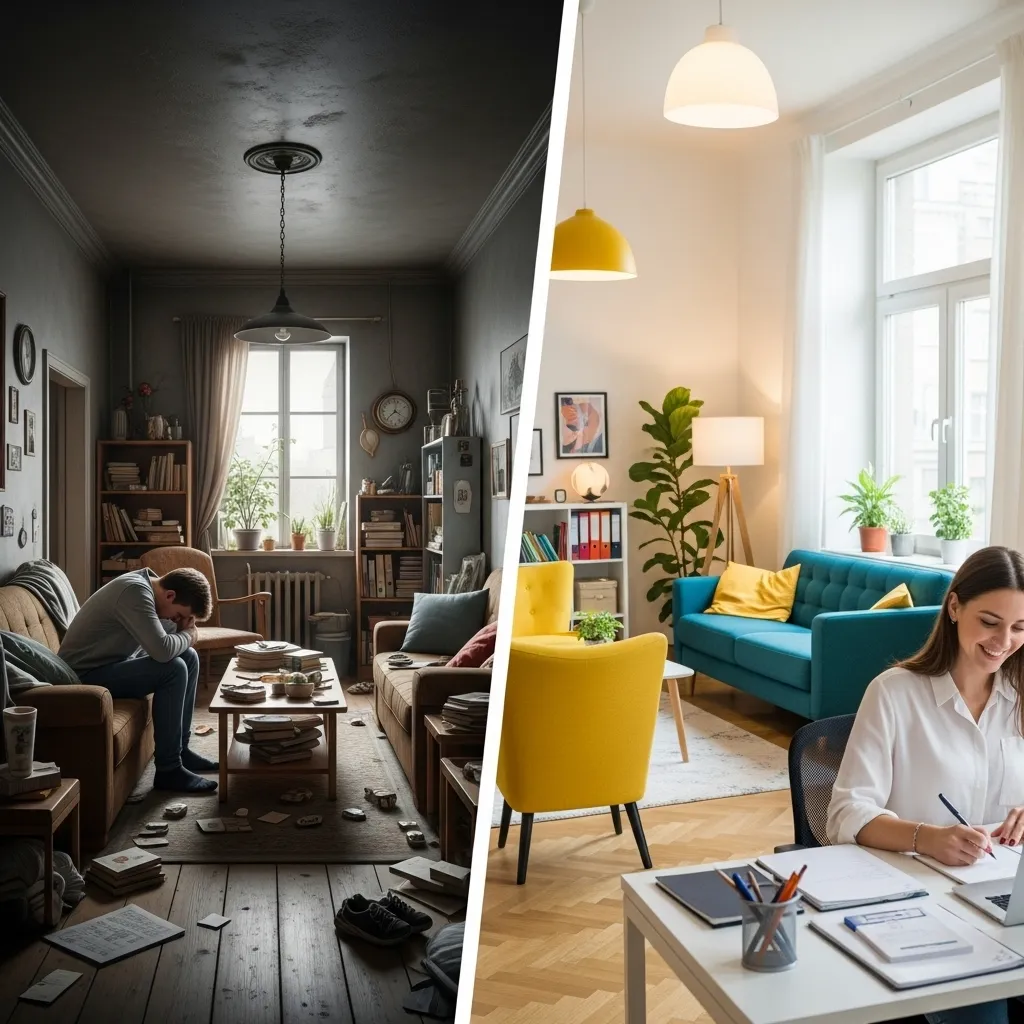
For example, communal seating may encourage interaction in Mediterranean cultures but feel intrusive in Scandinavian ones. Understanding these cultural layers allows designers to create spaces that resonate emotionally and behaviorally, while still aligning with budget realities and interior design cost constraints.
Sensory Design and Behavioral Triggers
Human behavior is deeply influenced by sensory input, and interior design is a multisensory experience. Kadesignology emphasizes how sight, sound, touch, and even scent can trigger emotional and physical responses. Designers use this knowledge to shape environments that calm, energize, or focus the user.
Soft textures reduce anxiety, while rhythmic lighting can improve concentration. Even subtle background noise or scent can affect mood and decision-making. These sensory strategies are often low-cost, making them ideal for behavior-driven design that respects interior design cost without sacrificing impact.
How Interior Design Affect Human Behavior Kdadesignology: Key Dimensions
1. Emotional Impact
Colors, textures, and materials evoke emotional responses. Cool tones like blue and green promote calm, while warm hues like red and orange stimulate energy. Soft fabrics and natural materials create comfort, while sleek surfaces and bold contrasts energize a space.
2. Cognitive Function
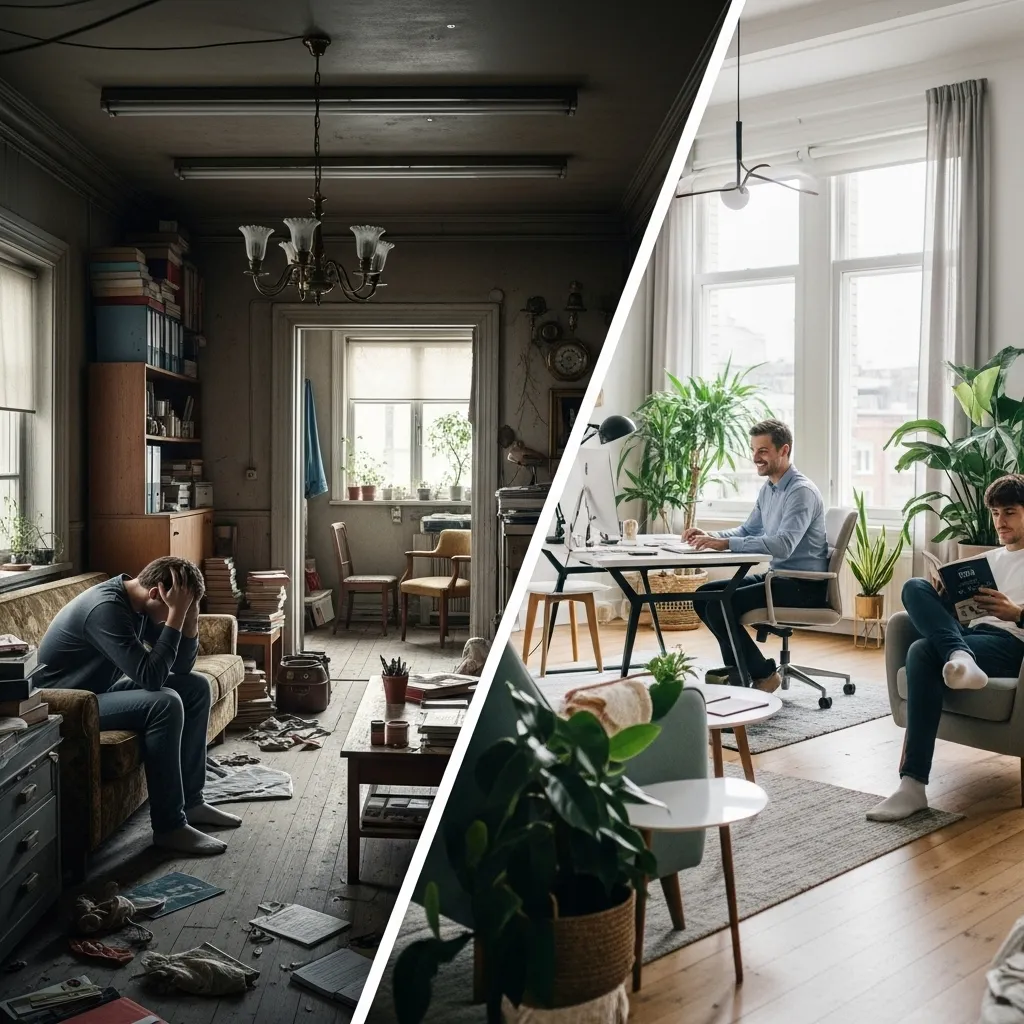
Design affects how we think and focus. Cluttered environments can overwhelm the brain, while minimalist layouts support clarity. Strategic lighting and acoustics reduce distractions, helping people concentrate and process information more effectively.
3. Social Interaction
Furniture placement and spatial flow influence how people connect. Circular seating arrangements foster conversation, while barriers like partitions or poor lighting can discourage interaction. In public spaces, design can either invite or repel engagement.
4. Physical Behavior
Design guides movement. Wide pathways encourage exploration, while narrow corridors restrict flow. Placement of objects from door handles to seating affects posture, accessibility, and even safety. Good design promotes intuitive navigation and physical comfort.
Balancing Behavior and Budget: Interior Design Cost Considerations
Designing for behavioral impact doesn’t have to break the bank. Many principles of kdadesignology can be applied with modest resources. For example, changing paint colors, rearranging furniture, or adding soft lighting can dramatically shift mood and behavior.
Understanding interior design cost is essential when planning behavior-driven spaces. High-impact changes like acoustics or custom lighting may require investment, but many psychological design strategies are low-cost. The key is intentionality, knowing which elements matter most for the desired behavioral outcome.
Applications of Kadesignology in Real Spaces
Kdadesignology isn’t theoretical, it’s practical. Here’s how it plays out in different environments:
Workspaces: Open layouts encourage movement and collaboration, while biophilic elements like plants and natural textures reduce stress. Adjustable lighting supports task-specific focus and comfort, helping employees stay energized and mentally clear throughout the day, a key principle in behavior-driven design.
Healthcare: In clinical environments, soothing colors and soft textures promote emotional regulation and healing. Quiet zones and acoustic control reduce sensory overload, making patients feel safer and more grounded. These design choices directly influence recovery outcomes and staff well-being.
Retail: Retail spaces use lighting, scent, and layout to guide customer behavior. Warm lighting creates intimacy, while strategic product placement encourages exploration. Ambient scent can evoke emotion and memory, increasing dwell time and purchase likelihood, all shaped by intentional design psychology.
Education: Flexible seating arrangements foster autonomy and collaboration, while natural light improves alertness and mood. Acoustic treatments reduce distractions, helping students concentrate. These design elements support cognitive performance and emotional comfort, especially in diverse classrooms with varying learning styles.
By applying kdadesignology, designers create spaces that serve both function and feeling, shaping behavior through intentional design.
Frequently Asked Questions
What is kdadesignology in interior design?
Kdadesignology is a design philosophy that explores how interior environments influence human behavior, emotion, and interaction.
Can interior design really change how people behave?
Yes. Design affects mood, focus, movement, and social interaction. Elements like color, layout, and lighting have measurable psychological effects.
Is behavior-focused design expensive?
Not necessarily. Many impactful changes, like paint, lighting, or layout, are budget-friendly. Understanding interior design cost helps prioritize high-impact elements.
How do I apply kdadesignology in my home?
Start by identifying how you want each room to feel and function. Use color, texture, and layout to support those goals. Even small changes can have big behavioral effects.
Designing with Intention
Understanding how interior design affects human behavior, kdadesignology empowers designers and homeowners alike to create spaces that do more than look good; they feel good, function well, and support the people who use them.
Whether you’re planning a renovation or simply rearranging a room, design choices matter. And when paired with smart budgeting and awareness of interior design cost, kdadesignology becomes a powerful tool for shaping environments that inspire, calm, and connect.